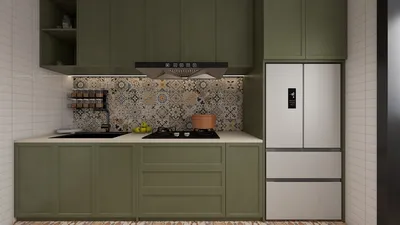


I've always appreciated the understated elegance of mid-century wall units, showcasing graceful lines and well-considered proportions made from materials that develop a rich patina over time. A well-crafted wall unit serves a bigger purpose than just storage; it enhances daily life with an element of rhythm and harmony. This guide elaborates on my complete approach to constructing a DIY mid-century wall unit that appears bespoke, operates seamlessly, and takes into account human factors like reach and lighting, with the help of tools such as Homestyler.
Design Objectives and Evidence-Based Planning
Before making any cuts, it's crucial to clarify what items the wall unit will hold—be it books, vinyl records, decorative objects, or media equipment—and how frequently each will be accessed. Focus on daily-use zones positioned between 22 to 48 inches from the floor, which aligns with ergonomic comfort guidelines. Research from Steelcase suggests that organized spaces can significantly alleviate cognitive load and enhance productivity, reinforcing the value of intuitive access and order in improving focus. According to the Illuminating Engineering Society, a light intensity of 300 to 500 lux is ideal for task areas like reading shelves, ensuring visual clarity and reducing strain while maintaining a serene aesthetic in the design.
In the broader context of wellness, the WELL v2 standards emphasize the importance of glare control and well-distributed ambient and task lighting for visual comfort and occupant health. These standards guide my lighting placements within the unit—opting for concealed linear LEDs for task illumination and warm ambient lighting for showcases— avoiding harsh reflections or bright spots. For more on visual comfort, visit WELL’s guidelines at wellcertified.com.
Proportions, Rhythm, and Mid-Century Elements
Mid-century design celebrates clean lines, authentic materials, and harmonious proportions. I aim to establish a clear horizontal line—often a continuous shelf height of around 30 to 34 inches—while organizing modules in ratios of 1:1 or 2:3. Utilizing thin edges (3/4 inch) creates a crisp look, while more robust frames (1–1/2 inch) can help ground the overall design. Consistency in reveals—between 1/8 to 3/16 inch shadow gaps—is essential around doors and panels. Mixing closed storage solutions (like doors or drawers) with open spaces promotes an airy feeling without clutter; a 60/40 ratio of open to closed storage achieves this balance. Breaking the monotony with an unusual display niche and a vertical panel extending full height adds a subtle, modernist touch.
Functional Spaces and Ergonomics
Segment the wall unit into functional areas: a base credenza for heavier items like vinyl and media equipment, mid-height shelves for books and artifacts, and an upper area for lighter storage. Maintaining a lower center of gravity—keeping drawers and closed cabinets beneath 30 inches—is important, as is implementing soft-close mechanisms to reduce wear and noise during use. When integrating a record player or turntable, a surface height of 30 to 32 inches is optimal for standing use. Manage cables neatly along the back, ensuring a 2-inch gap for power sources and airflow. Handles should ideally be positioned between 34 to 40 inches high to accommodate most users comfortably without overstretching.
Layout Planning and Visualization
Before finalizing dimensions, sketch your modules in elevation. I create a grid—typically in 12-inch sections—and experiment with different configurations of doors and shelves. To minimize on-site errors, simulate arrangements using an interior layout planner and a room design tool such as Homestyler, which allows for quick adjustments and checks for ergonomic reach. This online tool can serve as an excellent sandbox to evaluate placements and cable pathways accurately.
Material Selections and Sustainability Considerations
The warmth associated with mid-century style is derived from natural wood tones and minimal synthetic materials. Oak, walnut, and ash veneer over stable cores (like plywood or MDF) provide an elegant appearance with a uniform grain. Whenever possible, choose FSC-certified plywood. Solid wood face frames enhance durability, especially around door edges. When choosing paint, opt for low-VOC finishes. For back panels, materials like cork or recycled felt can help absorb sound, particularly useful if integrating a TV or speakers. Incorporate adjustable steel shelf pins and concealed soft-close hinges for added longevity. A satin oil-wax finish on walnut veneer not only preserves visual depth but also minimizes fingerprints.
Structure, Mounting, and Safety Considerations
Free-standing units require sturdy bases or adjustable feet, while wall-mounted units need secure anchoring. I design vertical standards (uprights) at 16-inch centers to align with typical stud spacing, utilizing a continuous cleat for upper cabinetry. If any part of the unit is cantilevered, calculate shelf spans carefully: 3/4-inch plywood provides the best rigidity for spans under 32 inches; for greater lengths, incorporate hidden steel supports or upgrade to 1-inch materials. Always check for studs and use suitable anchors; for masonry walls, employ sleeve anchors and isolation gaskets to prevent moisture transfer. It’s vital to allow proper ventilation for enclosed electronics—ensuring a minimum of 10 to 15 square inches of venting per cabinet side along with a rear gap.
Lighting Implementation and Visual Comfort
A well-thought-out layered lighting design breathes life into the wall unit. I typically install 2700 to 3000K LED strips beneath upper shelves to establish a warm, mid-century atmosphere, complemented by 3500K task lighting under key display or workspace shelves for improved clarity. Maintain gentle luminance ratios—avoiding glare by ensuring no more than a 10:1 ratio between lit areas and surrounding surfaces. Utilize diffusers, such as opal lenses or frosted channels, to soften harsh diode points. Dim-to-warm drivers offer mood management for evening settings. Proper wiring management through rear channels and centralizing drivers behind an access panel can streamline the setup. For specifics on light intensity levels, reference IES illuminance guidelines for reading areas, and avoid placing light sources in direct sightlines.
Color Psychology and Aesthetic Arrangement
Neutral tones—walnut, off-white, and pale gray—form a backdrop that allows decorative objects to shine. For an accent color, muted teal or mustard lends an authentic mid-century vibe without overwhelming the design. An overview of color psychology from Verywell Mind indicates that shades of blue can cultivate tranquility and focus, while yellows can evoke optimism and vigor; I apply these colors carefully as subtle back-panels or sliding doors to create nuanced emotional resonances without overstimulating the viewer. Thoughtful styling—grouping objects in clusters of three at varying heights, while ensuring ample space around standout pieces—helps maintain a pleasing aesthetic rhythm.
Acoustic Performance and Media Equipment Integration
When incorporating audio devices, place speakers on decoupling pads and avoid shared cavities for turntables to mitigate vibration. Felt-lined drawers can help minimize rattling noises. If a space for a television is included, use matte finishes around the screen to reduce glare. A perforated sliding door over compartments housing receivers can conceal equipment while facilitating airflow and signal transmission for remotes.
Comprehensive Build Steps
Start by measuring the wall space and establishing a master grid. Mark the positions of any studs, and create a cut list for carcasses, shelves, and face frames. Use cardboard templates for critical modules to ensure correct reach and clearances.
Assemble boxes using dado joints or confirm the integrity of pocket-screw construction. Glue and clamp securely, making sure each box is square and attaching back panels to prevent racking. Keep reveals consistent along doors and drawer fronts.
Install a continuous ledger at your chosen datum. Anchor vertical standards to the wall studs for stability, being meticulous with leveling to avoid compounding imperfections across shelves.
Cut shelves to appropriate lengths and test their load-bearing capacity with books prior to finishing. Fit concealed hinges and soft-close slides, pre-drilling for hardware to avoid damaging the veneer.
Manage wiring discreetly through rear channels, adding grommets, cord clips, and ventilation slots. Separate low-voltage from mains wiring to reduce the risk of interference.
Install LED channels, ensuring diffusers are in place. Conceal components in an accessible compartment and add dimmers, testing for flickering issues.
Sand surfaces to a fine 180 to 220 grit, vacuum up any dust, and apply an oil-wax or waterborne clear finish. When painting, start with a primer that works well with MDF to avoid fuzzing.
Balance books with decorative objects, fostering negative space, and adjust lighting levels to suit evening versus daytime. Check that doors align properly, adjusting hinges as needed, and protect floors with felt pads.
Care and Maintenance for Longevity
Dust with a soft cloth to avoid scratching wood finishes and refrain from using ammonia-based cleaners. Re-oil annually for depth and shine, and regularly tighten hardware while inspecting anchors, especially after heavy use or seasonal changes in humidity.
Frequently Asked Questions
For spans utilizing 3/4-inch plywood or MDF when storing books, keep them under 32 inches. To accommodate heavier loads, incorporate a front edge stiffener or switch to 1-inch material.
A datum height of 30 to 34 inches is ideal for daily use, accommodating the natural standing reach of most individuals effectively.
For ambient light warmth, a range of 2700 to 3000K is recommended, while 3500K is best for task-oriented clarity on reading or display shelves. Use diffusers to lessen glare.
Using an oil-wax or low-sheen clear waterborne finish on walnut or oak veneer highlights the natural grain while providing a subtle, period-appropriate shine.
Certainly—design a recessed bay with matte framing to maintain consistent reveals and prevent clutter by enclosing peripherals in ventilated cabinets; route cables through designated rear channels for efficiency.
Allocate 10 to 15 square inches of venting per electronics compartment while ensuring sufficient rear space for airflow and heat dissipation.
Establish a grid with 12-inch intervals, mix open and closed storage solutions, and validate ergonomic reaches and object placement beforehand using a room layout tool such as Homestyler.
Utilize veneer on plywood or MDF for the main structures, employ solid wood for face frames and edges, and incorporate concealed soft-close hardware for reinforced durability.
Implement diffused lighting techniques, keep the luminance ratios balanced, and choose satin finishes around display areas to soften reflections and enhance visual appeal.
Maintaining a 60/40 ratio of open to closed storage helps keep the unit feeling light and airy while avoiding visual clutter.
Tip 1:
Maintain a precise 1/8 to 3/16 inch reveal around doors and panels to achieve a crisp, mid-century shadow line that enhances visual interest.
Tip 2:
Test your lighting arrangements both during the day and at night—adjust dimmers so that highlights on objects do not overwhelm the ambient lighting.
Tip 3:
For noise-sensitive equipment areas, consider using cork or felt pads behind them to mitigate resonance and enhance audio quality.
Built on technology originally developed at Autodesk, Homestyler empowers anyone to design beautiful, realistic spaces in minutes. Join over 18 million users who have already discovered a smarter way to plan, visualize, and bring their dream homes to life — all from the comfort of a browser.
Homestyler is your go-to platform for bringing home design dreams to life! With its user-friendly online design tool, stunning 3D renderings, and a wealth of inspiring design projects and video tutorials, you can effortlessly create and visualize your ideal space. Transform your home today!
Design Now for FREE
































