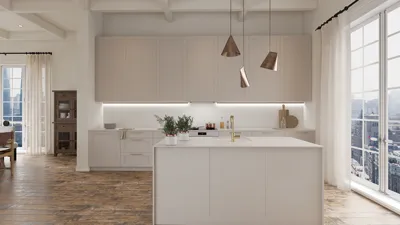


I have successfully designed and managed numerous media walls that include fireplaces, catering to clients desiring a cozy focal point without compromising functionality. An effective construction requires a careful balance of heat management, sightlines, acoustic control, cable routing, and finishes, all while being realistic about the DIY aspect.
Creating a blueprint that focuses on comfort and safety is essential. The WELL Building Standard emphasizes that thermal comfort significantly impacts perceived well-being and productivity, guiding the maintenance of stable temperatures in seating areas. Additionally, research by Herman Miller on human factors indicates that neutral neck positions and unobstructed sightlines can minimize fatigue during prolonged screen use, which is particularly crucial when arranging your fireplace and TV in alignment. I make sure the TV center is positioned at approximately seated eye level (around 42–48 inches from the floor, varying with the furniture) and implement glare control through layered lighting strategies.
The choice of materials and ergonomic considerations is just as vital as the layout. Research by Steelcase on workplace environments highlights the role of acoustic treatment for focus; this notion translates to home settings, where a media wall should effectively manage reflections from hard surfaces and speaker arrangements to reduce echo. According to Verywell Mind, utilizing muted, warm neutrals can foster a sense of calm, complemented by understated accent colors around the firebox to prevent visual overstimulation. These elements deeply influence the choice of paint sheen, panel materials, and the visual pattern of vertical and horizontal lines across the wall.
Plan the Layout and Sightlines
Begin with a scaled plan and drawings. I typically align the TV to the main seating axis with a maximum upward angle of 7-10 degrees and avoid placing the screen higher than the mantle—unless necessary due to clearances. In asymmetrical rooms, it's beneficial to separate the TV and fireplace into distinct areas to maintain clear sightlines. Utilizing a room layout tool can assist in visualizing clearances, cable paths, speaker placements, and viewing distances before any lumber cuts are made.
Select the Right Fireplace
For DIY installations, electric fireplaces are the simplest and safest options—eliminating combustion air needs, simplifying clearances, and easing integration with TV systems. Opt for a fireplace model with either front or down vent discharge to safeguard electronics. Look for programmable heat settings and thermostat controls, and check the manufacturer's clearance requirements above the firebox to electronics; I generally prefer maintaining an 8-12-inch distance, plus a heat shield or mantle to direct warm air away from the TV.
Thermal Management and Clearances
To protect electronics, introduce a mantle or baffle that disrupts the vertical heat flow. If the fireplace vents from the front, a projecting trim of 2-3 inches can be effective at redirecting airflow. Ensure that cable passages remain separate from heat zones, utilizing fire-rated foam around any openings and routing low-voltage lines in cooler areas. The WELL guidelines on thermal comfort support maintaining consistent, manageable temperatures—therefore, avoid oversized heaters. Electric models with a range of 4,000-5,000 BTUs are appropriate for most living areas; supplement heating with base units instead of solely depending on the wall-mounted unit.
Frame, Niche, and Storage Strategy
Construct the frame with kiln-dried studs, ensuring plumb alignment and adding blocking for mounts and shelves. If depth allows, create a recessed niche for the TV or surface-mount it on a structural backing panel with a load-bearing bracket. Incorporate ventilated compartments for media devices and gaming consoles; using perforated panels or concealed slots at the rear can enhance airflow. Balancing vertical and horizontal lines is crucial to avoid a top-heavy appearance; staggered open shelves with closed cabinets foster a visually pleasing rhythm.
Wiring, Power, and Cable Management
Designate separate circuits for the fireplace and audiovisual equipment to minimize breaker trips. Utilize in-wall rated HDMI and speaker cables with appropriate grommets and brush plates. Ensure easy access for upgrades with a service panel or hinged door on one side. I typically install a surge-protected power strip inside a ventilated cabinet and keep low-voltage wires clear of mains to minimize interference. Label each cable run to save effort later on.
Lighting: Layered, Dimmable, and Low-Glare
Media walls benefit immensely from layered lighting solutions. Incorporate dimmable ambient lighting throughout the room, wall washing to enhance texture softness, and task lighting focused in reading areas. Following IES guidelines for living spaces, aim for an illuminance level of around 100-300 lux, and lower it to between 50-100 lux for movie settings to manage glare. Implement backlighting (bias lighting) behind the TV to alleviate eye strain; using 2700-3000K LEDs around the wall can help achieve a warm, unified atmosphere that complements the fireplace.
Acoustic Comfort and Speaker Placement
Hard surfaces can reflect sound; adding soft elements like fabric panels, rugs, or acoustic art can help manage sound reflections effectively. Avoid placing speakers in sealed cavities that lack proper ventilation; maintain a gap of 2-3 inches around the sides and rear ports. A center channel speaker should ideally be positioned at ear height; wall-mounting it behind acoustically transparent fabric can conceal hardware while preserving sound quality. Keep subwoofers isolated from the frame using decoupling feet to minimize vibrations.
Finish Materials: Texture, Color, and Durability
Strive for a balance between tactile and smooth finishes. Using stone or porcelain slabs around the firebox provides heat resistance and an elegant appearance; fluted MDF or wooden slats can introduce rhythm while diffusing sound. Opt for satin or matte finishes to mitigate glare. Color psychology suggests that calm neutrals—such as warm greige, oatmeal, or clay—paired with a singular deeper accent color like umber or petrol blue can create a soothing environment. Ensure that heat-resistant sealants and adhesives are employed near the firebox to guarantee safety.
Safety and Code Considerations
Verify compliance with local electrical and fire regulations; use the correctly gauged wiring and UL-listed components as needed. Adhere strictly to manufacturer clearance requirements. Ensure an accessible shut-off feature is provided, and test the fireplace thoroughly before completing the wall closure. For any gas installations, it is advisable to consult licensed professionals. Emphasize electric units for safety and reliability in your DIY projects.
Step-by-Step Build Outline
1) Measure and outline wall centers, stud placements, and TV height. 2) Construct the wall: vertical studs, cross-blocks for the mount, and a designated space for the fireplace with appropriate clearances. 3) Run electrical and low-voltage lines; set up dedicated outlets. 4) Test the fireplace and mount; add necessary ventilation slots to cabinets. 5) Close off with fire-rated drywall or cement board in heat zones. 6) Apply finishing: mantle or heat baffle, cladding, shelves, and panels. 7) Mount the TV, manage cable routes, and tune the speakers. 8) Adjust lighting, establish dimming scenes, and fine-tune color temperatures. 9) Test heat output and airflow while the TV operates to ensure safe functioning.
Budget and Timeline
DIY budgets can vary greatly. A straightforward electric media wall with a painted finish might incur modest material costs, while options such as stone cladding, custom work, and integrated lighting can drive up expenses significantly. Anticipate dedicating 3-5 weekends to framing, wiring, finishing, and final touches, depending on the complexity and tools at hand.
Maintenance and Future-Proofing
Design for accessibility: incorporate removable panels, hinged doors, and cable slack for easy upgrades. Ensure ventilation remains unobstructed, clean dust intake grills regularly, and re-seal stone finishes as necessary. Opt for adjustable shelving systems to accommodate new devices, consoles, or soundbars without needing to rebuild frames.
FAQ
Q1: What is the recommended height for mounting a TV over a fireplace?
A1: Aim for the center of the screen to be at or just below seated eye level (approximately 42-48 inches from the floor, depending on sofa height). If constraints require a higher mounting, ensure a slight downward tilt and incorporate a mantle to deflect heat away.
Q2: Is there a risk of damage to my TV from an electric fireplace?
A2: When adhering to the manufacturer’s clearance guidelines and implementing a heat-deflecting mantle or baffle, the risk is minimal. Always ensure that vents remain unblocked and that hot air is diverted away from the TV.
Q3: What lighting setup is best for reducing eye strain while watching movies?
A3: Utilize dimmable ambient lighting alongside bias backlighting behind the TV set at 2700-3000K. Target an overall illuminance near 50-100 lux during viewing to minimize glare, aligning with recognized standards for visual comfort.
Q4: How can I conceal cables while ensuring they remain accessible?
A4: Route in-wall rated cables to a ventilated cabinet with the use of brush plates and grommets. Additionally, consider placing a side access panel or hinged door for easy servicing of equipment without needing to disrupt finishes.
Q5: What materials are safe to use close to the firebox?
A5: Reliable options include cement board underlayment, stone or porcelain cladding, and heat-rated adhesives. Steer clear of low-melt plastics or glossy paints that can be positioned too close to vents.
Q6: How can I enhance sound quality while keeping acoustic panels discreet?
A6: Incorporate sections wrapped in fabric or perforated wood over acoustic batting. Additionally, using rugs, upholstered furniture, and fluted wall features can effectively control sound reflections in a subtle manner.
Q7: Is having a dedicated circuit necessary for the fireplace?
A7: A dedicated circuit is highly recommended. Isolating the fireplace from AV equipment can help prevent nuisance tripping and interference issues. Ensure to check amp ratings and adhere to local codes.
Q8: What color scheme is most effective around a fireplace and television?
A8: Warm neutrals with matte finishes work well to lessen glare and visual clutter. Incorporating one deeper accent color for contrast, in line with color psychology principles, helps maintain a calming and inviting space.
Q9: How can I keep the wall itself cool?
A9: Utilize electric units with front-vent or down-vent designs, incorporate a projecting mantle, and ensure cabinetry is properly ventilated. Avoid obstructing air pathways and appropriately size the unit without over-specifying BTUs.
Q10: Can I incorporate smart technology into my setup?
A10: Absolutely—consider integrating dimmers, smart plugs, and thermostat controls for features like "Movie Night.” Keep hubs and receivers in ventilated areas and allow cable slack for future enhancements.

BELLEZE 65 Inch Fluted TV Stand, Mid Century
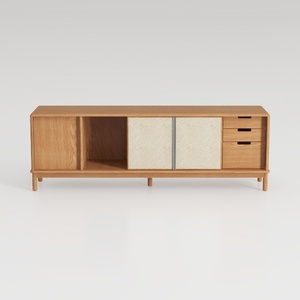
Rattan Buffet Cabinet with Storage, 90.5" Large
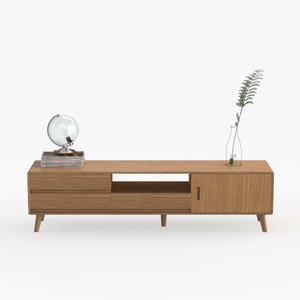
Walker Edison Arundo Fluted TV Stand for TVs up to
If you're looking to transform your home effortlessly, try Homestyler! This exceptional online design platform features an easy-to-use design tool, stunning 3D renderings, a plethora of inspiring design projects, and informative DIY video tutorials. Unleash your creativity and start designing today!
Progetta ora GRATIS
































