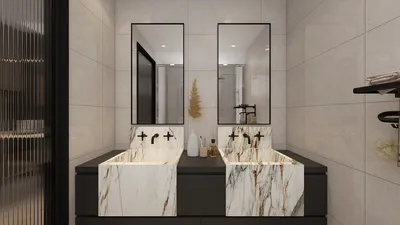


I really appreciate quick transformations that make a significant impact, and a DIY marble coffee table exemplifies this perfectly—transforming a living area in mere minutes while remaining budget-friendly. The key is to use a top-notch faux-marble slab, such as laminate, sintered stone, or a lightweight composite, placed on a sturdy base, all while keeping proportions and lighting in consideration.
Design is not solely about aesthetics. Research from Steelcase indicates that organized living environments lessen cognitive load, enhancing focus and overall comfort. In cramped spaces, a visually soothing focal point, like a marble coffee table with understated styling, helps stabilize the area. The IES suggests that ambient task lighting levels between 100–300 lux are optimal for living spaces; minimizing glare on the tabletop surface is essential to prevent visual fatigue, particularly with reflective materials. To validate my choices, I frequently consult guidelines from WELL v2 regarding lighting and ergonomic standards, ensuring that ambient illumination is consistent from evening to night. For layout and behavioral insights backed by workplace research, you can delve into the findings on Steelcase's site.
Selecting the Right Marble Appearance: Authentic vs. Artificial
Authentic marble exudes timeless elegance but is prone to staining and etching, plus it can be quite heavy. Engineered alternatives—like sintered stone, porcelain slabs, solid surface materials, or high-quality laminates—realistically emulate veining and offer greater resistance to etching, heat, and moisture. If you desire the drama of Calacatta, opt for larger, bolder veining; a lighter Carrara appearance with subtle gray veining achieves a lovely Scandinavian feel. Keep the finish in consideration: honed textures minimize glare and fingerprints, while polished surfaces provide shine but may amplify reflection. A slab thickness of 20–30 mm strikes a balance between visual impact and manageable weight.
Base Selection: Ensuring Stability, Proportion, and Design
For efficiency, consider using a pre-made steel or wooden base. Steel bases provide a sleek profile and more strength; powder-coated matte black complements cool-toned marble, while warmer bronze or brass accents balance cream-veined styles. Wooden bases such as oak, walnut, or ash contribute warmth and a tactile contrast. Aim for a height of 16–18 inches (40–46 cm) to match standard sofa seat heights. Ensure that the base footprint is smaller than the top and include under-table bracing or angle brackets to prevent wobbling. Position legs 1.5–2 inches (4–5 cm) in from the edges for a floating appearance that protects toes and stabilizes the setup.
Dimensions and Spatial Proportions
Proportion significantly affects comfort levels. As a general guideline, aim for the tabletop to be approximately two-thirds the length of your sofa. Maintain a clearance of 16–18 inches (40–46 cm) around the table for walkways and accessible reach zones, aligning with human factors standards for casual seating. If your living room arrangement is flexible, test scale and flow using an interior layout planner; utilizing a simple room layout tool aids in visualizing traffic patterns before deciding on a slab size.
Checklist for Materials and Hardware
- Faux marble slab (laminate, porcelain, or sintered stone) cut to your specifications
- Pre-fabricated steel or hardwood base
- Non-staining construction adhesive (for stone/composite materials)
- Optional angle brackets or concealed steel flat bars for enhanced stability
- Silicone pads or felt dots to minimize vibration and protect finishes
- Clear penetrating sealer (for real marble) or manufacturers' recommended coating for composites
- Soft microfiber cloths and pH-neutral cleaner
Construct in Minutes: Step-by-Step Guide
1) Dry fit: Position the slab on the base to check overhang and balance. Check for level across the diagonals.
2) Mark and prepare: Lightly scuff the base contact points (if metal) for improved adhesion; clean all surfaces with isopropyl alcohol.
3) Apply adhesive: Create small beads of construction adhesive on the base rails or plates. Be mindful to avoid excess to prevent squeeze-out.
4) Place the slab: Gently lower it; use silicone pads at corners to absorb vibration and minor movements.
5) Stabilize: If your base design allows, add discreet angle brackets underneath, ensuring that fasteners do not penetrate the slab. For real marble, consider under-slab steel flats for wider spans.
6) Finalize: Wipe the surface clean; seal real marble per the manufacturer's guidelines. Allow adhesives to cure according to instructions—typically, 20–30 minutes for tackiness, full cure within 24 hours.
Controlling Lighting and Glare
Marble, particularly polished varieties, can reflect direct light sources. Maintain table-adjacent task lights at 2700–3000K for a warm evening ambiance and to reduce harsh shadows. As per IES guidelines for living areas, strive for ambient lighting levels of 100–300 lux and incorporate a softer, diffused light above the table, rather than relying on a single downlight, to lessen specular reflections. Utilize fabric-shaded lamps or wide-diffuser pendants to minimize glare. Dimmers offer flexibility, especially when hosting guests.
Color Psychology and Aesthetic Arrangement
Colors significantly influence mood. Warm brass and walnut accents create a cozy atmosphere alongside cool white marble, while black steel and charcoal textiles introduce a sharp, modern touch. Insights summarized by Verywell Mind in color psychology indicate that blues and greens promote calmness and concentration, whereas warmer hues elevate energy levels. Achieving balance is vital: a light marble top paired with muted blue cushions and a single warm metal accent maintains a grounded palette.
Acoustic Comfort and Material Combinations
Hard, glossy surfaces can amplify sound. To reduce echo, pair your marble table with a textured rug (such as wool or jute) and upholstered seating. Incorporate soft window treatments and book-lined walls to absorb high frequencies, thereby minimizing reverberation overall. Silicone pads beneath the slab can help lessen micro-vibrations when objects are placed on it.
Safety, Ergonomics, and Edge Profiles
The profiles of edges are important. A micro-bevel or slight radius decreases the risk of chipping and makes the table safer for children and legs. Maintain a reach-friendly distance for the table-to-sofa edge—approximately 18 inches—so guests can comfortably set a cup down without leaning awkwardly. Ensure base designs do not pose tipping risks; wide-footed bases and a lower center of gravity enhance stability.
Quick Styling: The Three-Anchor Approach
In order to avoid clutter, employ three anchors: a low tray for remotes and coasters, a sculptural piece (like a bowl or candle), and a living element (such as a small plant or flowers). Adjust heights slightly, maintain negative space for functionality, and respect circulation around the table.
How to Maintain a Pristine Appearance
For natural marble, promptly wipe spills since acidic substances (like citrus or wine) can etch surfaces rapidly. Utilize a penetrating sealer and reapply it as recommended. For composite and laminate options, a pH-neutral cleaner with a soft cloth suffices. Steer clear of abrasive cleaning pads, as they can dull finishes and increase glare by causing micro-scratches.
Financial Considerations and Value Assessment
Faux-marble alternatives can significantly reduce costs compared to authentic stone while maintaining an upscale appearance. Focus on both a solid base and a realistic surface; much of the perceived value derives from proportion, the quality of finishes, and the way you style the overall vignette.
Frequently Asked Questions
Approximately two-thirds of the sofa length serves as a trustworthy ratio. Maintain a clearance of 16–18 inches for comfortable circulation and reach.
Honed finishes reduce glare and fingerprints, while polished surfaces offer sheen but might reflect light sources. If facing a bright downlight, honed is typically more forgiving.
Select a base with a wide stance, integrate under-top brackets for added sturdiness, and ensure a low center of gravity. Silicone pads help prevent sliding.
Combine it with warm woods, brass accents, and textured fabrics. Blues and greens foster a tranquil mood, while a hint of warmer tones brings in comfort.
According to IES, aim for an ambient lighting level of 100–300 lux for living areas. Utilize diffuse sources and dimmers to handle reflections on glossy surfaces.
Use a penetrating sealer, promptly wipe acidic spills, and employ coasters. Avoid abrasive cleaners to maintain surface integrity.
Indeed. Using a pre-fabricated base and pre-cut slab, you'll need only adhesives, pads, and optional brackets. A manual screwdriver might be sufficient for assembly.
Utilize a tray, sculptural accents, and living elements. Maintain negative space and subtly vary heights for visual balance.
Assess scale and circulation using an interior layout planner; a quick session with a room layout tool allows you to visualize clearances and flow effectively.
High-quality sintered stone and laminate featuring realistic veining can be quite convincing. Opt for a honed finish and detailed edge work for authenticity.
Built on technology originally developed at Autodesk, Homestyler empowers anyone to design beautiful, realistic spaces in minutes. Join over 18 million users who have already discovered a smarter way to plan, visualize, and bring their dream homes to life — all from the comfort of a browser.
Homestyler is your go-to online home design platform, perfect for turning your ideas into reality. With its user-friendly design tool, stunning 3D renderings, and a wealth of design projects and DIY video tutorials, creating your dream home has never been easier!
Design jetzt kostenlos
































