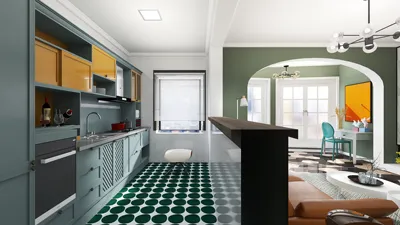


Creating a DIY foosball table is a rewarding endeavor that demands meticulous planning and execution. It's not just about woodworking; precision is key, requiring straight rods, consistent surface texture, square goals, and a sturdy cabinet designed to withstand intense play. Here’s a comprehensive guide for designing, building, and finishing a robust and elegant foosball table that can compete in weekend tournaments, incorporating tools like Homestyler for effective layout planning.
Design Validation through Real-World Insights
To ensure excellent gameplay, it's vital to consider dimensions and ergonomic factors. Aim for a table height of 35 to 36 inches, aligning well with ergonomic standards for reducing wrist strain. Research from Herman Miller emphasizes that maintaining a neutral wrist position enhances endurance during repetitive activities—apply this knowledge to set the correct handle height. Regarding lighting, adhere to the Illuminating Engineering Society’s advice by ensuring a 300 to 500 lux level over your playfield to minimize glare and enhance visibility, impacting reaction times. For color coordination, utilizing contrasting colors like red and blue can boost rapid physical responses, aiding swift passes and shots, as described in studies by Verywell Mind.
When planning your room layout or determining the space for your table, utilizing a room design tool such as Homestyler can help visualize clearances and ensure optimal sight lines are maintained: room layout tool.
Cabinet Materials and Structural Integrity
A cabinet made from 3/4-inch Baltic birch plywood is ideal due to its strength and stability. Design your playfield to be approximately 47 to 48 inches long and 27 to 28 inches wide, adding an additional 3 to 4 inches in rail height to keep the ball contained. Opt for durable joinery techniques such as box joints or rabbet joints reinforced with threaded inserts, allowing for future servicing. To prevent sagging, incorporate cross-bracing beneath the playfield with laminated pine or birch battens. For the corner posts, use solid hardwood like maple or beech, and secure them utilizing through-bolts and lock washers to enhance resistance against racking forces during vigorous play.
Ensuring Playfield Flatness and Finish
Aim for a perfectly flat substrate, possibly with a slight center slope of 1 to 1.5 mm for classic gameplay; however, modern competitive tables tend to favor flat surfaces. For consistent friction and durability, use MDF or birch plywood underlayment and high-pressure laminate (HPL) for the top surface. A satin finish will help reduce glare—combine this with the recommended 300 to 500 lux overhead lighting to limit visual distractions. For field markings, use solvent-resistant paint or vinyl, sealing edges to avoid peeling.
Selecting Rods, Bushings, and Bearings
The quality of rods plays a significant role in gameplay feel. Opt for 5/8-inch high-carbon steel, hollow to decrease rotational inertia; chrome-plated options with a polished finish are preferable. Low-friction bushings or roller bearings should be installed at each pass-through: nylon-reinforced varieties remain quiet and forgiving, while sealed bearings increase speed but can be noisier. Ensure that rod centers remain squared to the cabinet by utilizing a drill guide and backer blocks. Incorporate rubber bumpers between players and walls to dampen impacts and protect the surface finish.
Player Figures, Foot Design, and Ball Control
Choose ABS or acetal player figures featuring narrow, textured feet for precision ball control. Flat-bottomed feet are ideal for pin shots, while slightly rounded models assist in passing. Arrange players in classic formation: 1 (goalie)–2–5–3 per side, or consider the modern single-goalie layout. Ensure that all figures are spaced appropriately so their feet just clear the playfield by 1 to 2 mm during a neutral rod position.
Ergonomic Handles and Grip Design
Handles should support a neutral wrist posture while providing a firm, non-slip grip. Tapered hardwood or knurled polymer handles work effectively, especially when paired with silicone or polyurethane overgrips to manage sweat. Following ergonomic research, maintain handle centers at elbow height during a neutral standing position, minimizing ulnar deviation and enhancing control during swift wrist movements.
Goals, Ball Returns, and Sound Management
Construct goal mouths measuring 8 to 8.375 inches wide and about 3 inches tall with rounded edges to prevent ball scuffing. Design a seamless chute leading to either a central or dual ball return, lining it with thin felt to absorb noise. Acoustic comfort is vital; use cork or rubber pads at cabinet contact points to mitigate the sharp sounds produced by striking the ball. If placed in a hard-surfaced area, consider adding a rug beneath the table to absorb reflected sound and stabilize the structure.
Fasteners, Alignment, and Tolerances
Utilize machine screws and locknuts for securing players, with threadlocker applied to set screws to prevent loosening. Maintain a tolerance of ±0.5 mm on rod hole alignment to prevent binding issues. In case of slight play, shim bushings with thin PTFE tape. Verify squareness using a carpenter’s square, ensuring diagonal measurements are consistent; an allowable differential of under 2 mm across corners is acceptable for optimal play.
Finishing Touches, Color, and Aesthetics
Select a finish that resists fingerprints and abrasions—waterborne polyurethane in satin is an excellent choice. Choose a color strategy that utilizes contrasting colors for teams, paired with a neutral cabinet to avoid visual fatigue. Research by Verywell Mind suggests that high-contrast colors facilitate quick recognition; balance visual appeal by incorporating a vertical grain on the side rails and a horizontal grain on the end rails.
Lighting and Glare Management
To ensure smooth gameplay, provide even lighting across the playfield. Following IES recommendations, strive for a 300 to 500 lux level from a diffused overhead fixture. Choose warm neutral light (3000 to 3500K) to enhance comfort while minimizing glare, positioning light fixtures slightly ahead of center to avoid creating shadows. Use matte finishes on surfaces, darker side rails, and a satin playfield to lessen any distracting highlights that may arise during fast-paced gameplay.
Safety, Edge Treatment, and Stability
All edges should be rounded with a 1/8-inch radius to enhance safety. Incorporate end caps on rod tips to prevent accidental injury. Level the table using adjustable feet and wide rubber pads to prevent unwanted movement. For added stability, aim for cabinet mass between 150 to 200 lb, utilizing laminated layers and hardwood bracing to achieve this weight while maintaining structural integrity.
Step-by-Step Build Guide
Begin by sketching out the cabinet design, rod placements, and returns. If testing the layout of your space, consider using an interior layout planner like Homestyler to visualize clearance areas: interior layout planner.
Cut panels to size, rout joints, and conduct a dry fit. Proceed to glue and clamp parts together, reinforcing corners with through-bolts.
Laminate the surface, mark the playfield lines, and secure it onto cross-battens while checking for flatness and desired crown.
Utilize a jig to ensure all holes are drilled squarely. Insert bushings or bearings appropriately.
Attach bumpers, spacers, player figures, and handles. Confirm all clearances and ensure smooth functionality.
Craft goal boxes, line chute pathways, and test the ball’s movement. Don’t forget to include score markers on the rails for easy tracking.
Finish by sanding, sealing, and applying coatings. Adjust handle heights, refine leg positioning, and modify rod tension. Test various balls (cork versus textured plastic) to find your preferred play style adjustments.
Maintenance, Adjustments, and Longevity
Regularly clean rods and bushings using a lint-free cloth, applying a small amount of silicone lubricant for optimal performance. Conduct hardware checks every three months. Rotate balls periodically to prevent flat spots and maintain consistent play dynamics. Ensure that lighting remains consistent according to IES recommendations so the table’s performance feels uniform throughout the year.
Expert Perspective
Maintaining ergonomic alignment in handle height can greatly improve user comfort during repetitive wrist movements, a benefit highlighted in ergonomic studies by Herman Miller. For selecting colors and differentiating teams, findings by Verywell Mind emphasize the effectiveness of high-contrast designs for quick visual identification in dynamic gameplay.
Frequently Asked Questions
A typical foosball playfield measures about 47 to 48 inches long and 27 to 28 inches wide. The cabinet rails add a few inches, resulting in a finished height around 35 to 36 inches to support a neutral wrist position for most users.
High-quality nylon bushings provide smooth and silent operation, making them easier to maintain. While sealed bearings offer a speed advantage and a firm feel, they can increase noise; base your choice on your desired play experience.
Aim for a light level of 300 to 500 lux for optimal play conditions based on IES recommendations. A satin-finished playfield accompanied by matte surfaces can help reduce glare and hotspots during competitive matches.
A cabinet mass ranging from 150 to 200 lb serves to stabilize the table against vigorous play. Using 3/4-inch plywood, solid hardwood corner posts, and proper cross-bracing helps achieve this density without sacrificing structural strength.
Cork balls tend to slow gameplay and facilitate ball trapping, whereas textured ABS or urethane balls typically roll more quickly with predictable bounces. Try both types out to see which aligns best with your style.
It is crucial to install rounded end caps on all rod tips, round off cabinet edges to enhance safety, and maintain clear areas at each end to avoid accidental injuries during play.
A slight crown in the playfield (between 1 to 1.5 mm) encourages the classic drift toward the center, enhancing gameplay, while a flat surface is suitable for more modern, skill-centric play. Both surfaces are acceptable as long as they are smooth.
Using tapered or knurled handles, enhanced with grippy overwraps, helps maintain correct wrist alignment. Position the table height so that handle locations are close to elbow height to reduce strain during play.
Securing through-bolts at corners, along with interior cross-bracing beneath the playfield and proper fasteners, are vital. Holding squareness by checking diagonal measurements within 2 mm will greatly enhance playability.
To dampen sound, line the ball chutes with felt, add rubber bumpers around rods, and consider placing a rug beneath the table to absorb impact noise. Adding cork materials can also help reduce overall sound levels.
Using a waterborne polyurethane in a satin finish offers durability against wear while minimizing glare. Pair it with neutral cabinet tones and contrasting team colors to maximize visual clarity during play.



Homestyler is a fantastic platform for anyone looking to create their dream home. Its user-friendly online design tool, stunning 3D renderings, diverse design projects, and helpful video tutorials make it easy for you to visualize and execute your ideas effortlessly. Start designing today!
Projete agora para LIVRE
































