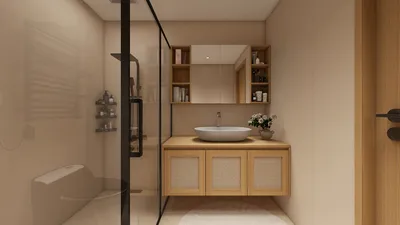


I am particularly drawn to projects that yield significant visual impact using minimal tools. One exceptional example of this is a DIY flower wall hanging—it's not only soft and sculptural but also allows for endless customization. Beyond their purely decorative role, the interplay of color and light plays a crucial part in shaping the atmosphere of a space. As highlighted by Verywell Mind’s exploration of color psychology, warm shades like yellow can inspire feelings of optimism, while cool tones such as blues and greens foster a sense of calm. This makes them ideal anchors for a wall feature that you will encounter daily. Regarding human-centered design principles, the WELL v2 framework emphasizes the importance of managing glare and achieving balanced illumination for visual comfort; hence, placing your flower hanging in a location with diffused light ensures that the petals are perceived beautifully and comfortably without causing eye strain.
Getting the proportions correct is essential. In home environments, I generally recommend sizing decorative focal pieces to occupy 50 to 70% of the furniture width they correspond with. For example, if you're decorating above a 72-inch sofa, aim for a width of 36 to 50 inches. As for mounting height, the centerline should be positioned about 57 to 60 inches off the floor—similar to typical museum eye level—creating an intentional composition that feels well-placed. When I visualize layouts, I initiate the process with scaled elevations followed by digital mock-ups using room design tools like Homestyler to validate spatial harmony around doors, sconces, and window details.
Materials and Tools
Select sturdy materials and secure fasteners; the wall type and weight of your display will dictate the necessary hardware. For a light and airy aesthetic, consider employing a slender wooden dowel or copper pipe (ranging from 24 to 36 inches) in combination with floral wire, jute twine, and a variety of faux flowers (such as silk peonies, ranunculus, eucalyptus, and ruscus). Should you choose fresh stems, incorporate water tubes and schedule replacements every 5 to 7 days. Moreover, include 3M Command hooks or appropriate anchors for your wall type: plastic anchors for drywall, masonry anchors for brickwork. Ensure you have a tape measure, scissors, and a level in close proximity.
Plan Your Composition
My process begins with a brief overview of colors: choose a primary palette (greens paired with a standout bloom color), an accent (metallic finishes or ribbon), and a contrasting texture (matte leaves versus glossy petals). Adhere to a composition ratio of 60% greenery, 30% primary blooms, and 10% accents—this arrangement establishes visual rhythm while preventing a cluttered appearance. If your space features warmer lighting (2700 to 3000K), consider shades like coral, blush, and cream for a cozy feel; in contrast, cooler light (3500 to 4000K) pairs wonderfully with lavender and deep green for a crisp look. Keep glare to a minimum by steering clear of direct spotlighting; instead, reflect light off walls to highlight the depth of the petals without harsh reflections.
Step-by-Step Assembly
1) Measure and mark: Determine the height for the dowel and indicate two mounting points about 6 to 8 inches from either end. Conduct a dry fit and ensure everything is level.
2) Prepare greenery: Trim faux stems into 6 to 10 inch segments. Attach small clusters to the dowel, overlapping slightly to achieve a natural drop. Arrange the fullest section off-center for an asymmetrical design.
3) Add standout blooms: Position larger flowers in odd counts—such as three or five—to form a gentle diagonal line. This guides the viewer’s eye and resembles natural garden growth.
4) Layer in texture: Introduce fine stems like baby’s breath or waxflower for added detail. Maintain 1 to 2 inches of negative space between clusters, ensuring the composition has room to breathe.
5) Finish the edges: Taper foliage towards the ends to create a soft finish; a trailing vine can add an elegant touch.
6) Install and refine: Hang the dowel, then step back by about 8 to 10 feet. Adjust any blossoms that face forward to avoid shadow, rotating petals until they softly reflect light.
Fresh vs. Faux Florals
Fresh flowers bring fragrance and subtle movement but require regular care; by contrast, faux flowers offer durability and consistent colors. If you choose to mix them, cluster fresh blooms in removable mini-bundles with water tubes for easy weekly refreshes without disassembling the entire structure. Ensure that fresh flowers are not placed near heat sources or direct sunlight to prolong their lifespan.
Light, Color, and Mood
A flower wall can subtly influence mood. Cool color schemes (like blue, lavender, and eucalyptus) often lower energy levels, making them suitable for spaces like bedrooms or reading areas; warmer palettes (such as peach, marigold, and mustard) invigorate areas like entryways and dining rooms. Position the hanging where ambient light can gently illuminate it—such as across from a window dressed with sheer curtains or near a lamp with a fabric shade—to reduce glare and harsh shadows. If you’re designing a multipurpose area, the WELL v2 principles on glare management and balanced lighting will guide you in using diffusers while avoiding intense bulbs close to shiny petals.
Scale and Proportion Tips
For narrower walls, keep the bar within 70 to 80% of the wall’s width, allowing foliage to hang 12 to 16 inches to promote vertical movement. For larger walls, consider adding a second bar slightly below the first, offset by 8 to 10 inches, which will create depth without increasing the visual load. Using a simple interior layout planner like Homestyler can assist in arranging the furniture around the flower display to avoid any obstructions or conflicts in movement.
Mounting and Safety
Always ensure that the hardware matches the wall surface. In drywall, utilize anchors that can accommodate the combined weight of the bar and flowers (typically under 10 lbs for faux arrangements). In rental properties, adhesive hooks that can be removed are suitable as long as the overall weight remains light. Maintain distance from HVAC vents to prevent drying and dust accumulation; when utilizing fresh displays, keep them away from upholstery that readily stains.
Acoustics and Surface Choice
Soft floral displays can assist in improving acoustics by disrupting hard reflections. Placing them above fabrics such as a headboard or wool tapestry can enhance sound absorption and diminish flutter echoes in small rooms. Avoid glossy surfaces as they can amplify glare; a matte or limewash finish behind the arrangement can improve depth and detail.
Care and Longevity
Dust faux floral arrangements monthly with a soft brush or low-powered vacuum, and rotate stems seasonally to maintain a fresh appearance. Store off-season bundles in a breathable box to prevent damage. For fresh blooms, trim stems at an angle and refresh water tubes every 2 to 3 days.
Design Variations
- Minimalist: Simple monochrome eucalyptus paired with a singular white peony cluster.
- Boho: A combination of varied greenery adorned with pampas grass and brass accents.
- Modern: A linear arrangement presented on a blackened steel rod, with a cohesive palette in plum and ivory.
- Seasonal: Spring pastels; autumnal hues of rust and ochre; winter greens with decorative ribbon.
FAQ
Q1: What size should my flower wall hanging be?
A: Generally, aim for a size that is 50 to 70% of the furniture width it corresponds with. For example, above a 72-inch sofa, a width of 36 to 50 inches will provide a balanced look.
Q2: How high should I mount it?
A: The centerline should ideally be around 57 to 60 inches from the floor, as this height is comfortable for both standing and seated views.
Q3: Which colors are best for creating calm versus energy?
A: Blue and green tones are usually calming, while brighter warm shades like yellow and coral promote uplifting feelings. These insights are supported by color psychology research from Verywell Mind.
Q4: What type of lighting works best?
A: Ambient, diffused lighting is ideal—positioned across from a window with sheer curtains or near a shaded lamp. This approach is in alignment with glare-control principles noted in the WELL v2 guidelines, enhancing the visibility of flower colors.
Q5: Is it possible to mix fresh and faux flowers?
A: Absolutely. Fresh flowers can be arranged in removable bundles with water tubes, allowing for easy refreshes without disassembling the entire display.
Q6: What hardware is appropriate for drywall?
A: Use drywall anchors that can safely support the combined weight of the bar and flowers, generally those rated for under 10 lbs when using faux options. In rental settings, lighter removable adhesive hooks are acceptable.
Q7: How can I avoid a cluttered appearance?
A: Adhere to the 60/30/10 ratio—60% greenery, 30% primary blooms, and 10% accent features—and leave small areas of negative space between clusters.
Q8: How can I reduce glare and harsh shadows?
A: Steer clear of focused spotlighting. Instead, use indirect lighting that bounces off walls, with lamps that have fabric shades, maintaining a neutral to warm color temperature in the range of 2700 to 3500K.
Q9: What is a quick method to test placement?
A: Use painter's tape for a mock-up and run digital tests via design visualization tools like Homestyler to evaluate scale in relation to doors, artwork, and sconces.
Q10: How often should I clean or refresh elements?
A: Faux arrangements should be dusted monthly, while fresh blooms need replenishing every 5 to 7 days. Additionally, rotating accents seasonally can help keep the display feeling dynamic.
Q11: Will this enhance acoustics?
A: To some extent. Soft, textural elements can help disrupt sound reflections. Pair them with textiles like rugs or curtains for a more pronounced effect.
Q12: What construction materials are the most durable?
A: Silk flowers mounted on sturdy materials like hardwood dowels or copper pipes are long-lasting. Ensure that extras are stored in breathable boxes to avoid damage and fading.


Discover the ease of home design with Homestyler! This innovative online platform offers an intuitive design tool, stunning 3D renderings, and a wealth of design projects and video tutorials. Transform your space effortlessly—perfect for beginners and seasoned decorators alike!
Progetta ora GRATIS
































