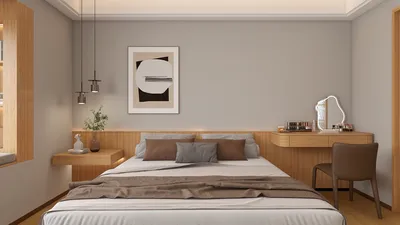


Achieving security at home should be simple and reliable rather than overwhelming. One effective solution is a DIY door security bar, which serves as a strong secondary defense for your entryway while keeping the existing door and hardware intact. My experience with this approach in rental properties and older homes, where immediate lock upgrades weren't viable, shows it offers an impressive balance of effectiveness and cost when executed correctly. Utilizing a tool like Homestyler can help visualize the best project implementation.
Research clearly indicates that employing multiple layers of security is vital. Gensler’s studies on user-focused environments demonstrate that perceived safety has a significant effect on comfort and well-being within residential spaces, and using physical barriers noticeably enhances residents' sense of security. The WELL v2 standard emphasizes the importance of entry protection as part of health, safety, and emergency preparedness, highlighting the need for effective barriers that do not pose risks to occupants. IES suggests that appropriate lighting around entryways can aid residents in visually confirming that doors are securely closed while detecting any tampering; pairing a security bar with adequate lighting can significantly lower both risk and nervousness.
From a behavioral standpoint, it’s essential to understand simple physics principles. Intruders usually target the most vulnerable aspects like strike plates, latches, and hinges. When correctly positioned, a security bar redirects pressure from the door to sturdier components like the floor or walls, thereby enhancing resistance by distributing force across various structural elements. Studies from Steelcase reveal how minor environmental cues can impact behavioral compliance; at home, a noticeable security bar fosters routine actions—like locking and checking doors—because of its visible and immediate presence.
Key Design Considerations
I emphasize four crucial elements: load distribution, choice of materials, ergonomic design, and usability. The bar should connect the door to a solid base such as a floor or wall, the chosen materials should have high strength against compression and bending, the grips and angles need to facilitate quick deployment without risking finger pinching, and the overall configuration should remain straightforward even in stressful situations.
Required Materials and Tools
Suitable materials include a 1-inch (25 mm) square steel tube or a hardwood dowel, such as oak or ash, measuring 1.5 inches (38 mm) in diameter. A steel tube is superior for resisting bending under heavy loads, while hardwood offers a more comfortable feel and is easier to handle with common tools. Essential items include a pair of non-slip rubber feet, a U-shaped door handle catch or customized bracket (a steel plate lined with felt), screws and anchors for securing the bracket (if it’s wall-mounted), and reflective tape for visibility in low-light conditions. If opting for a solution anchored to the floor, select a low-profile, anti-slip foot made of a high-friction rubber compound to maximize contact area.
Sizing and Fit Considerations
To ensure a proper fit, measure the height of your door handle (usually between 34–36 inches / 864–914 mm from the finished floor). For a leaning bar design, cut the bar so it reaches from the handle catch to a point 18–26 inches (457–660 mm) away from the door on the ground, maintaining an angle of approximately 50–65 degrees. This angle allows for an ideal load path—compressive at the bar’s end, shear at the floor interface—while remaining easy to use. If a horizontal brace design is preferred (within a solid wood frame), ensure that a hardwood cleat (1x4 or 2x4) is securely fastened to wall studs for optimal seating behind the handle or across the door face.
Placement Considerations
In narrow entryways, it’s essential that the bar does not block exits. Maintain a clear path of at least 32 inches (813 mm) to comply with accessibility standards. For households with various members, label the storage area and provide a simple diagram for quick reference. When determining the best angle and layout within a compact foyer, consider using design simulation tools like Homestyler to experiment with different arrangements and prevent clashes with carpets, consoles, or door clearances.
Step-by-Step Assembly: Leaning Bar Design
1) Install the handle catch: If opting for a bracket, position it just above the height of the door handle using appropriate wall anchors into wall studs; if using a U-catch that slips over the handle, ensure its interior surface is lined with felt to avoid surface damage and improve grip.
2) Prepare the security bar: Cut to the required length, slightly chamfer the ends to prevent chipping. Attach rubber feet to the floor end; for metal bars, use press-fit or bolted feet; for wooden options, opt for screw-in anti-slip types.
3) Establish the angle: Insert the bar into the catch, positioning the foot on the ground at an angle of roughly 60 degrees. Test the push force from the exterior (simulated) by pressing inward on the door; the bar should remain steady without shifting.
4) Adjust for friction: If any slippage occurs, introduce a thin EPDM pad under the foot or use grip tape on the floor contact surface. Avoid adhesives that could harm hardwood floors, and consider using removable high-friction mats if necessary.
Alternative Option: Horizontal Brace Installation
For sturdy jambs, install two steel receivers within the wall studs on both sides of the door. A hardwood beam or steel tube will span across, resting in the receivers, creating a direct load path into the framework. This construction often withstands impacts better than a leaning bar, particularly with heavy exterior doors. Keep the brace positioned at a height of 34–40 inches; exceeding 40 inches may increase leverage against hinges, while positioning below 32 inches can introduce flex near the latch.
Ergonomics and User Experience
During moments of stress, fine motor skills can be compromised. Simplifying the bar’s operation to a single action—lift, seat, lean—is crucial. Including a high-contrast indicator (like a white or yellow tape band) near the catch will facilitate alignment visibility in low light. Furthermore, the WELL v2 standard recommends maintaining clear emergency pathways; therefore, store the bar in a non-obstructive manner but within easy reach of the door.
Consideration for Sound and Light
Proper lighting near entrances greatly enhances situational awareness. According to IES guidance on residential spaces, achieving 50–100 lux at door thresholds supports visual confirmation when locking and checking hardware. A rubber-footed bar mitigates noise against flooring, helping to keep the household undisturbed; felt-lined brackets can also soften the contact sound between metal components.
Sustainable Material Choices
When selecting wood, opt for FSC-certified options, and consider recycled-content steel tubing. A durable finish—such as waterborne polyurethane for wood or powder coating for metal—will increase longevity and lessen maintenance needs. Using non-toxic adhesives and low-VOC finishes can contribute to a healthier home environment.
Maintenance and Testing
Conduct monthly inspections. Firmly push the door from inside to simulate force; look for signs of wear on the foot, bracket loosening, and any surface dents. Replace rubber feet if the tread becomes flattened or hard. Regularly clean the floor contact area to uphold maximum friction.
Safety Compliance and Guidelines
Never install a security bar that obstructs emergency exits. In multifamily buildings, check local regulations regarding secondary barriers; many areas require that interior barriers can be removed without tools. Ensure all residents, particularly children, are instructed on how to quickly remove the bar.
Knowing When to Upgrade
If testing reveals visible flex in your door or frame, consider adding a reinforced strike plate with 3-inch screws into wall studs and looking into hinge-side reinforcements. Combine the bar with enhanced lighting and supplementary security features like peepholes or cameras for holistic awareness. Implementing a layered approach provides a stronger deterrent than relying on any single device.
Frequently Asked Questions
For standard home usage, a 1-inch square steel tube or a 1.5-inch oak dowel will provide sufficient resistance against bending due to door pressures. Steel has a superior ability to resist deformation, while hardwood offers a cozy grip and is straightforward to work with common tools.
Indeed. An angle ranging between 50–65 degrees effectively balances compression through the bar and shear at the floor interface, minimizing slippage while allowing for straightforward deployment. Test according to your unique floor surface to perfectly adjust friction levels.
High-friction rubber feet equipped with textured surfaces are recommended. You may also add a removable EPDM pad or a small anti-slip mat to enhance grip without risking floor damage.
When securely positioned in stud-mounted receivers, the brace directs the load into the framing rather than exerting pressure on the door panel, thereby lowering the potential for damage. Protect areas in contact with soft materials like felt or rubber.
Absolutely. Opt for non-invasive, leaning designs with detachable handle catches. Avoid drilling into walls or frames if alterations are restricted by your lease agreement.
Aiming for at least 50–100 lux in the vicinity of the entrance greatly aids in visually confirming locked hardware and proper placement for the bar, following IES guidance regarding lighting for residential circulation.
Deploying the bar should be a single action: keep it stored upright beside the door, lift it into the catch, and lean the foot against the floor. Use high-contrast tape to mark the alignment for swift usage.
The bar must not obstruct egress. Ensure that it can be removed quickly and that all household members understand how to clear it in an emergency. Always verify local building codes concerning multifamily compliance requirements.
Definitely. Adding reinforced strike plate screws, hinge-side security pins, peepholes, or cameras, along with improved entry lighting, creates a multi-layered defense system that effectively deters forced entry attempts.
Monthly checks are advisable. Inspect for loosening screws, worn rubber feet, and debris in contact areas that might reduce friction. Replace any parts at the first indication of wear.
To enhance grip, use a larger diameter wood dowel, incorporate a soft foam sleeve at the handle end, and maintain the storage height between knee and hip levels to minimize physical strain.
Utilizing high-contrast bands (in yellow or white) can help visibility in dim lighting and minimize positioning errors. Research indicates that clear visual markers improve task accuracy and boost confidence during important actions.
Manhattan Comfort Verandah 112” Chenille Sofa with

109" Cloud Sectional Couch - L Shaped Chenille Cou
Looking to redesign your space? Try Homestyler! This user-friendly online platform offers a fantastic design tool with stunning 3D renderings, extensive design projects, and helpful DIY video tutorials. It's the perfect way to bring your creative vision to life—effortlessly!
تصميم الآن مجانا
































