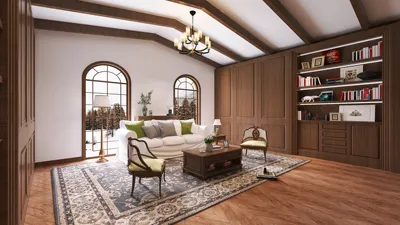


When creating a DIY coffee table, my process mirrors how I would design a small lounge or lobby: I ensure proportions are in harmony with the seating area, maintain smooth pathways, and select materials that mature beautifully over time. In living rooms, the importance of reach distance is often underestimated. Research from Steelcase indicates that small movements and reach spaces significantly influence comfort and task efficiency; for lounge settings, keeping essential items within a convenient 18–24 inches minimizes strain and enhances functionality. Additionally, according to WELL v2 recommendations, ambient spaces perform optimally at 2700–3000K lighting for a cozy atmosphere, which also affects how wood tones appear in the evening—a factor I always test under project lighting prior to the final touches.
Proper scaling distinguishes between a visually appealing focal point and chaotic clutter. Gensler’s findings indicate that primary surfaces are most effective when positioned between 15–18 inches in height—about the same as typical cushion height—making it advisable for a coffee table to fall within this range for optimal reach and visual harmony. For its dimensions, I typically aim for two-thirds the length of the sofa, ensuring a gap of 14–18 inches to the seating's front edge. When considering various options prior to construction, utilizing a room layout tool like Homestyler can efficiently verify clearance around corners, ottomans, and side tables.
Design Framework: Function First, Form Right After
Every successful DIY project begins with a clear understanding of its uses. Will it serve as a robust surface for laptops and games, or a subtle display area for books and plants? I categorize surfaces into three types: performance (with durable, water-resistant finishes), display (warmer woods that showcase tactile grain), and hybrid (featuring a wooden top with a stone or tile inset for accommodating hot mugs and vases). From there, I determine edges—slightly rounded or with a 2–3 mm chamfer to reduce chipping and create a pleasant tactile experience—alongside specifying the leg structure based on anticipated weight and span. For spans greater than 40 inches, incorporating a center stretcher or concealed steel angle is beneficial for stability.
Proportions That Calm a Room
Achieving visual balance relies on straightforward ratios. For rectangular tops, a 3:2 ratio promotes a serene and deliberate feel in most living rooms. Round tables (30–42 inches) are suitable for tight seating arrangements, preventing knee collisions in compact spaces. In family areas, I often choose an oval top—36 x 48 inches—to navigate narrow aisles while providing more usable surface area than a circular table. The thickness of the table also plays a crucial role: a 3/4 inch thickness appears sleek on smaller tables, whereas 1–1 1/4 inches is preferable for larger pieces beyond 40 inches, especially when supported by a robust base.
Materials: Honest, Durable, and Repairable
I opt for wood species that improve with age rather than deteriorate. White oak, ash, and walnut can be machined cleanly, take finishes well, and are amenable to spot repairs. Should you wish to explore colors, ash takes stains uniformly, showcasing strong grain. For lightweight yet sturdy tops, consider plywood with a hardwood veneer in a torsion-box design. For table bases, powder-coated steel provides a sleek aesthetic while preventing racking; simply add felt pads under contact points to safeguard flooring and muffle noise. If resistance to stains and water is key, explore using a catalyzed lacquer or hardwax oil, the latter offering a soft-matte, easily repairable finish ideal for homes where the table will face everyday use.
Ergonomics and Daily Behavior
Understanding how users interact with the table is vital for design details. I position the tabletop 14–18 inches from the sofa front to facilitate natural reaching without straining. For combined seating heights (like a sofa and accent chairs), a split-level design—a main top at 16–17 inches accompanied by a 14-inch secondary level—can adeptly support snacks and remote controls without obstructing sightlines. An edge radius of 2–4 mm can reduce pressure on thighs when people momentarily perch, while a 1-inch overhang on tops without aprons enables easy lifting and shifting during cleaning.
Acoustics, Light, and Color Perception
Hard surfaces tend to amplify sound; incorporating a soft rug under the table can tighten the acoustic field and create a peaceful atmosphere in living rooms with tall ceilings. The temperature of light significantly impacts how wood appears: 2700K enhances the richness of walnut and gives oak a warm honey tone, whereas 3500K can introduce a cooler hue to gray stains. Color psychology studies collated by Verywell Mind suggest that warmer color palettes encourage coziness and social engagement, which is precisely the ambiance many seek around a coffee table. I always test stain samples under both natural and incandescent lighting before finalizing my color choices.
Five DIY Concepts You Can Build
A streamlined design appears elegant when it seems to 'float.' Create a plywood box with internal ribs, veneer it with oak or walnut, and place it on inset leveling feet to achieve a distinct shadow reveal. A matte finish complements this look perfectly. This style works exceedingly well with modular seating arrangements.
Weld or bolt a 1-inch square steel tube for the base, then attach a top that is 3/4–1 inch thick with elongated slots to accommodate seasonal wood movement. Choose a clear powder coating for the steel or paint it charcoal for a contrasting effect. This design is ideal in busy family spaces.
Laminate staves into a drum shape or utilize bent plywood; finish with a 36–42 inch round top. This design softens sharp corners and enhances room flow. Integrate a discreet cable grommet if you frequently use laptops to maintain a tidy charging solution.
Stabilize surface cracks with contrasting bowties and flatten the slab using a router sled. Couple it with trapezoidal steel legs for an engaging, textured centerpiece capable of withstanding regular use.
Incorporate a lift-hinge that can support the top's weight, adding gas struts as necessary. Keep the lift height between 9–11 inches to maintain ergonomic typing posture, perfect for smaller living spaces where the coffee table doubles as a workspace.
Joinery and Structure You Can Trust
For tables with aprons, I utilize mortise-and-tenon or floating tenon joints positioned at one-third the thickness of the leg, creating strong adhesive bonds. Pocket screws may suffice for non-structural components, but they are not advisable for primary joinery over long spans. Consider embedding a concealed steel flat bar in a routed channel on the underside for tables exceeding 48 inches in length to avert sagging. To accommodate wood movement, create slot holes when attaching breadboard ends and base cleats, ensuring not to glue across the grain over extensive distances.
Finish Systems That Survive Spills
Living rooms are frequently exposed to spills. A robust two-part catalyzed finish ensures high chemical resistance, albeit with a more complex repair process. Conversely, hardwax oil proves more forgiving and repairable; apply it thinly, buffing between coats, and allow for complete curing before extensive use. If you prefer an almost invisible finish, a matte waterborne polyurethane provides clarity alongside superior resistance to moisture rings compared to oil-based systems.
Safety, Stability, and Kid-Friendly Edges
Effective weight distribution helps keep tables stable amid everyday bumps. A more extensive stance or a lower center of gravity (like plinths, drums, or splayed legs) mitigates tipping risks. Ease every edge; even a slight 1 mm radius can significantly soften sharpness. Anticipating dynamic loads (such as children leaning) may necessitate expanding the base footprint or integrating hidden weights within plinth structures.
Planning the Build: From Sketch to Space
I kick off the design process by creating a scaled layout of the room, marking out seating, traffic patterns, and door openings, followed by testing a few table outlines. Before committing to actual materials, I recommend creating a mock-up using painter’s tape on the floor or a cardboard cut-out to confirm reachability and circulation. To visualize various footprints and heights alongside your sofa and chairs, input your room dimensions into a layout visualization program like Homestyler for quick iterations.
A Simple Cut List Template
For an apronless rectangular table measuring 18H × 28W × 42L: a top thickness of 1 inch; four legs of 2 x 2 inches at a height of 16 inches with inset metal mount plates; rails of 3/4 inch positioned 6 inches from the edges for added stiffness; optional 1 x 1 inch cross braces. Modify dimensions proportionately for extended sofas to adhere to the 2/3 length guideline.
Styling the Finished Piece
Ensure that 40–60 percent of the table surface remains clear to retain its functionality. On the remaining area, arrange items in odd numbers—a tray, a stack of books, and a singular sculptural piece. Incorporating low greenery or a shallow bowl adds vitality without obstructing views across the room.
Maintenance for the Long Game
In households with considerable use, re-oil hardwax finishes on an annual basis. Add felt pads to the table base and refresh them as needed. Keep coasters accessible while selecting finishes that tolerate occasional neglect from users. Minor dents in solid wood can often be steam-raised with a damp cloth and a hot iron, followed by touch-up finishing.
FAQ
Q1: What height is optimal for coffee tables?
A: Aim for 15–18 inches, approximately level with the sofa cushion. This is in line with ergonomic principles seen in lounge environments and provides comfortable access.
Q2: How much space should be between the table and the sofa?
A: Maintain a gap of 14–18 inches between the sofa front and the table edge. This arrangement allows for easy access to drinks and remotes without necessitating a lean.
Q3: What size table is suitable for an 84-inch sofa?
A: A table length of 54–60 inches (around 2/3 of the sofa’s length) and a depth of 28–36 inches typically strike a good balance in proportions while facilitating movement.
Q4: Which finish is ideal for homes with children?
A: Hardwax oil or matte waterborne polyurethane are excellent choices. Both options are durable; hardwax is simpler to repair, while waterborne poly provides superior resistance against moisture rings.
Q5: How can I stop a solid wood top from warping?
A: Allow for wood movement with elongated screw holes; consider using breadboard ends, and install a hidden steel reinforcement for tops that are over 48 inches wide.
Q6: Are round tables more suitable for compact rooms?
A: Typically, yes. A round table measuring 30–36 inches prevents knee collisions and promotes smoother circulation. Ovals offer similar benefits with more usable space.
Q7: What type of lighting brings out the best in wood tones?
A: Aim for warm white light in the range of 2700–3000K, aligning with WELL lighting principles for living spaces and enhancing the beauty of walnut and oak finishes.
Q8: Can I integrate materials like wood and stone?
A: Definitely. An inset stone or tile panel offers a robust area for hot items, while the surrounding wood lends warmth and texture to the design.
Q9: How can I elevate a DIY table to appear high-end?
A: Ensure tight tolerances (consistent reveals), soften all edges, maintain proportional design, and finish using a low-sheen system that accentuates the wood grain.
Q10: What’s a practical way to test the size before constructing?
A: Tape the table’s footprint on the floor or create a cardboard model. For optimal validation, experiment with a room layout simulation tool for quick adjustments.
Q11: What strategies can enhance stability on rugs?
A: Employ a wider base, include adjustable feet, and consider heavier bases (like plinths or drums) to lower the center of gravity for added stability.
Q12: Any recommendations for sustainable materials?
A: Opt for FSC-certified hardwoods, resilient finishes that prolong lifespan, and modular bases that can be easily refinished or replaced later on.
Homestyler is an outstanding online home design platform that empowers you to create stunning spaces effortlessly. With its user-friendly design tool, impressive 3D renderings, and a wealth of inspiring projects and video tutorials, you can easily transform your ideas into reality—perfect for any DIY enthusiast!
今すぐ无料でデザイン
































