

Having constructed numerous dining benches, I can attest to how a high-quality bench can enhance seating versatility and introduce a sleek, contemporary aesthetic to any dining area. The main objectives are straightforward: ensure robust joinery, optimize comfort dimensions, and select finishes capable of withstanding everyday wear. A key measurement reference I rely on is the WELL v2 Ergonomics framework, which suggests ideal seat heights of approximately 17 to 19 inches for comfortable seating tailored to most adults. Research from Steelcase further supports the idea that minor adjustments in posture can elevate comfort and endurance, highlighting the importance of benches designed with a sufficient seat depth, allowing users to shift their position effortlessly during meals. Additionally, tools like Homestyler can assist in visualizing your designs before making any DIY decisions.
From an interior layout perspective, benches optimize available seating by positioning snugly against walls or beneath windows. In planning room dimensions, I recommend maintaining a clearance of 30 to 36 inches behind the bench to avoid congestion, in line with circulation standards echoed in studies by IFMA and Gensler. Light also plays a crucial role; high-gloss finishes paired with warm lighting under 3000K can cause glare, while a low-sheen, resilient topcoat creates a more inviting and tranquil dining environment. Utilizing room layout tools such as Homestyler prior to construction can help visualize the necessary clearance and dimensions of your bench accurately.
Outline Your Dimensions
For standard dining tables, aim for a completed seat height of around 18 inches from the floor to the top of the cushion or wooden surface. A seat depth of 14 to 16 inches strikes a balance between stability and comfort, preventing slumping forward. The length of the bench will hinge on your table size and household needs; I typically craft benches ranging from 48 to 72 inches. A 60-inch bench can comfortably accommodate three adults. Ensure to leave at least 2 inches of space beneath the table apron to avoid pinching knees. If regular family gatherings are anticipated, opt for a slightly deeper seat of 16 inches with a rounded front edge to enhance comfort.
Choose Your Materials Carefully
For lasting durability, I prefer solid hardwoods like white oak, maple, or ash due to their stable grain and resistance to wear. If budget constraints come into play, consider a high-quality plywood core with solid wood edging that provides a sturdy seat while minimizing warping. Sustainability is also a priority; whenever possible, select FSC-certified timber and choose low-VOC finishes to maintain indoor air quality. For the bench legs, both solid wood or steel tube frames are effective—while steel allows for slender profiles and excellent rigidity, wood offers a visually warmer option and simplifies DIY projects.
Craft the Framework
Approach bench construction as you would chair building: a bench is a long seating surface supported by legs that must counteract racking forces. I implement a stretcher system, using two longitudinal stretchers connecting pairs of legs or an H-frame for longer installations. Through-bolts or wooden dowels serve to strengthen joints at high-stress points. For benches longer than 60 inches, it’s wise to introduce a center support leg or a discreet mid-stretcher to prevent sagging. Placement of the legs should be 4 to 6 inches in from the ends to minimize toe stubbing and balance weight distribution.
Example Cut List for a 60-inch Bench
Seat dimensions: 60" x 15" x 1" (using solid hardwood or plywood with solid edging). Legs: four pieces at 18" height (final seat height includes top thickness). Long stretchers: two pieces at 48" x 2" x 1". Short stretchers: two pieces at 10" x 2" x 1". If plywood is used, edging should be 3/4" x 1" hardwood strips. Required hardware includes wood screws (2.5"), pocket hole screws for pocket joinery, wood glue, plus optional M8 bolts for steel frames.
Joinery Techniques
Pocket hole joinery is an efficient choice for DIY projects and is sufficiently strong when combined with adhesive—using it on concealed areas beneath the seat. Traditional mortise-and-tenon or dowel joinery is preferable for visible stretchers and legs. When working with metal frames, welding or bolt-through plates with threaded inserts simplify assembly and refinishing processes. Always ensure to clamp your assemblies until the glue has fully cured to maintain proper squareness.
Step-by-Step Assembly Guide
1) Mill and square the components: Prepare the seat, legs, and stretchers to specified dimensions, ensuring straightness with a reliable straightedge. 2) Pre-drill and dry-fit: Mark the positions for the legs, note stretcher locations, and assemble the frame to ensure a flush fit. 3) Assemble the base: Adhesively bond and secure the stretchers to the legs; check for squareness by measuring corner-to-corner and ensuring both dimensions match. 4) Attach the seat: Position the assembled base 1-2 inches in from the edges, pre-drill from beneath, and fasten evenly to prevent undue stress. 5) Soften the edges: Round over the front edge with a 1/8" round-over or slight chamfer to enhance comfort. 6) Sanding: Process from 120 to 180 or 220 grit for a smooth finish; break sharp corners to minimize chipping. 7) Finish: Apply a sturdy, low-sheen polyurethane or hardwax oil; aim for two to three coats with light sanding in between applications.
Comfort and Ergonomics
While seat height and depth play a significant role in comfort, finer details also count: a subtly curved seat or a slight back tilt of 2–3 degrees (if a backrest is included) promotes healthier posture. Evidence from Steelcase's workplace studies highlights the advantages of micro-adjustments; on a bench, users can achieve this by shifting positions over a broad and smooth seating surface. Maintain a table-to-seat height difference of 10 to 12 inches for optimal elbow positioning over the tabletop.
Ensuring Stability and Load Capacity
Dining benches face various dynamic loads—from children climbing to adults adjusting their position. To prevent racking, position stretchers 6 to 8 inches off the floor. For hardwood frames, aim for screws spaced 6 to 8 inches along the stretchers, applying glue generously at wood joints. If high usage is expected, consider hidden steel angle brackets under the seat close to each leg junction to help distribute weight effectively.
The Significance of Finish and Color Psychology
Color significantly impacts appetite and mood. According to a survey by Verywell Mind, warm neutral tones promote comfort and social bonding, whereas vibrant reds can energize but might feel overwhelming in smaller dining spaces. My preference leans towards mid-tone woods paired with low-sheen finishes and soft, warm 2700–3000K lighting to minimize glare. Avoid high-gloss finishes directly under pendant lighting to lessen reflections on the bench.
Dining Room Layout Suggestions
Benches excel in compact spaces or along window walls. Maintain at least 30 inches of clearance behind the bench for pedestrian traffic and 36 inches if it lies on a main circulation route. If the bench will be tucked under the table when not in use, ensure that the apron height provides sufficient knee clearance. To practically test sight lines and traffic flow, consider using an interior layout planner like Homestyler to experiment with different configurations prior to making final decisions.
Acoustic and Material Choices
Dining areas can become quite lively. If opting for a solid hardwood seat, consider incorporating a thin upholstered cushion designed with dense foam and a durable woven fabric to muffle noise. Complement the bench with a rug featuring felt or rubber underlay to further reduce foot traffic noise and stabilize the bench on slippery surfaces. Select finishes with high abrasion resistance if the bench will frequently be moved.
Sustainability Considerations
Whenever possible, source FSC-certified wood and avoid finishes with high solvent content in poorly ventilated locations. A hardwax oil containing low VOCs can help maintain healthier indoor conditions. If you choose to construct a frame from reclaimed wood or recycled steel, ensure that the structural integrity is inspected—looking for hidden fasteners or internal corrosion before commencing with cutting and drilling.
Maintenance Practices for Longevity
Check and re-tighten mechanical fasteners every 6 to 12 months, especially during seasonal humidity fluctuations. Refresh oil finishes on an annual basis; for polyurethane, a quick scuff and single recoating can rejuvenate its appearance. If joints begin to creak, inject wood glue into the seams, clamp them together, and allow the glue to cure. Use felt pads underneath the legs to protect flooring and reduce noise transmission.
Frequently Asked Questions
What is the recommended seat height for a dining bench?
Ideal seat height is approximately 18 inches from the floor to the seat surface, aligning well with conventional dining chair ergonomics to promote comfortable elbow positioning relative to the tabletop.
What is the ideal depth for a bench seat?
A depth of 14 to 16 inches suits most adults, with 16 inches recommended for enhanced comfort if the bench will primarily serve as seating.
How long should a bench be to seat three people?
A 60-inch bench can seat three adults comfortably; benches measuring 48 inches accommodate two, while 72 inches can fit three adults plus a child.
Is a center support necessary?
For benches longer than 60 inches, include a center leg or a concealed mid-stretcher to avert sagging and improve structural stability.
What finish withstands daily wear and tear?
A low-sheen polyurethane or hardwax oil is excellent for durability and easy maintenance; steer clear of high gloss in well-lit areas to minimize glare.
Is pocket hole joinery sufficiently strong?
Yes, pocket holes are adequately strong for hidden connections beneath the seat when used in conjunction with glue. For visible frames or lengthy spans, mortise-and-tenon or dowel joints are more robust.
What clearance should be allowed behind the bench?
Maintain a minimum clearance of 30 inches, or 36 inches in areas with high foot traffic, to prevent overcrowding and facilitate easy movement past chairs.
Should I incorporate upholstery?
Adding a thin cushion will enhance comfort and improve sound absorption. Opt for dense foam paired with durable woven fabric; secure the cushion using non-slip pads or discreet straps.
What are the best wood types for dining benches?
White oak, maple, and ash are ideal choices, balancing durability, workability, and aesthetics. For budget-friendly options, high-quality plywood with hardwood edging is recommended.
How can I prevent racking?
To combat sideways wobble, install stretchers between the legs and ensure the frame is square during assembly. Add corner brackets beneath the seat where the legs meet for additional stability.
Can I incorporate storage in the bench design?
Absolutely. Consider adding a hinged seat with gas struts or a lower shelf positioned between the stretchers. Ensure to account for weight distribution and maintain adequate thickness for hinge screws.
What is the best lighting for a dining bench area?
Warm white 2700–3000K light fixtures, such as pendants or ceiling lights, minimize glare and highlight wood tones. Utilize dimmer switches to adjust the ambience during meals.

Jeffrey Brown Wood Dining Table

Nordic Minimalist Single Person sofar Tiger Chair
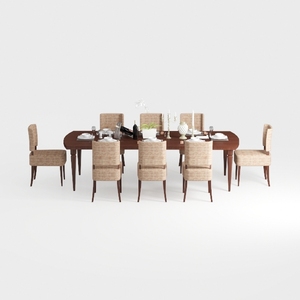
COLAMY Upholstered Parsons Dining Chairs Set of 4
Homestyler is an exceptional online home design platform that empowers you to create stunning spaces effortlessly. With its user-friendly design tool, impressive 3D rendering, diverse design projects, and helpful DIY video tutorials, you can transform your vision into reality with ease and inspiration.
Дизайн сейчас бесплатно
































