


Designing a pooja room that feels deeply rooted starts with careful idol selection, taking into account scale, material, posture, and positioning. Each aspect influences how the space aids ritual and contemplation. I focus on elements that resonate with the room’s natural lighting, acoustic ambiance, and movement, ensuring the idol is both honored and accessible for daily practices.
Fundamental Elements: Size, Comfort, and Illumination
Size plays a crucial role in presence. For narrower spaces, a 9 to 12 inch idol creates a balance between visibility and detail, while larger areas can accommodate idols ranging from 18 to 24 inches as focal points without dominating the space. From an ergonomic perspective, it's important to maintain a neutral viewing angle: guidelines recommend positioning the idol’s gaze approximately 42 to 48 inches from the floor for seated individual prayers, or between 54 and 58 inches for those standing, thus easing strain. Light sources should be glare-free; aiming for ambient illumination of 200 to 250 lux is ideal for a pooja area, using a warm light temperature around 2700 to 3000K to foster a serene atmosphere. These recommendations are consistent with standards set by lighting professionals.
Selecting the Deity: Purpose Influences Representation
The choice of deity signifies the intent of the pooja room. For example, choosing Lakshmi implies a focus on wealth, while Ganesha symbolizes new beginnings and the removal of obstacles. In contrast, devotees seeking wisdom may find Saraswati fitting. I align the icons with the dynamics of daily life: students might benefit from positioning Saraswati near study areas, while entrepreneurs could place Ganesha near the entrance for a protective presence. Research shows that environmental cues can shape behavior, and linking the idol with the room’s purpose cultivates consistent ritual habits.
Material Choices: Encouraging Warmth with Brass, Stone, and Wood
The materials selected influence both atmosphere and upkeep. Brass exudes warmth and pairs beautifully with oil lamps; soapstone or marble create a serene experience, while sealed woods like teak or rosewood introduce natural comfort. For regular rituals involving water, durable materials like non-porous stone or quality brass are preferable to prevent staining. I recommend against using lightweight resin for main idols, as they can warp under high temperatures; this material is better suited for secondary items. Sustainability is essential; opt for certified woods and low-VOC finishes to maintain air quality indoors.
Posture and Detail: Seated, Upright, or in Motion
The idol’s posture significantly influences the room's energy. A seated Ganesha fosters focus and stability, while a standing Vishnu imparts a protective essence, and an active Nataraja represents dynamism and change. Intricate carvings and hand gestures (mudras) impact how light interacts with the idol; finer details may fade under lower lighting, while bolder reliefs remain prominent. In smaller spaces, I recommend simpler designs with defined outlines to keep visual complexity at bay.
Idol Dimensions, Sightlines, and Positioning
The size of the idol should correspond to the alcove's dimensions. A useful guideline is that the idol’s height should be about 40 to 55% of the alcove's height, leaving sufficient space for offerings and lamps. It’s critical to allow a 4 to 6 inch clearance around the idol for air circulation. Avoid placing the idol directly in front of strong light sources to mitigate glare and thermal stress; using side lighting or diffused downlights can create an inviting halo effect. If preparing a new niche or platform, utilizing a room layout tool can facilitate the planning process and ensure comfortable viewing and movement within the space: interior layout planner.
Illumination: Gentle Light, Glare Control, and Ritual Flow
Warm lighting in the 2700 to 3000K spectrum enhances tranquility. I favor a multi-layered lighting approach—soft ambient light, subtle accent illumination for backdrop enhancement, and a small lamp dedicated to ritual lighting. Keeping lighting below 300 lux prevents a flat visual effect, while maintaining accent lighting ratios that do not exceed 3:1 against surrounding surfaces avoids stark contrasts. Protect oil lamps from drafts, and ensure LED lights used emit a high Color Rendering Index (CRI) of 90 or greater to honor the finishes of metals and stones. Emphasizing visual comfort and limiting glare, as recommended by WELL v2 standards, will diminish eye fatigue during extended chanting or reading sessions.
Sound and Acoustics in the Ritual Space
Mantras and bell sounds are richer in acoustically soft spaces. Incorporating textiles like small rugs, fabric backdrops, or carved wood screens can absorb echo while maintaining clarity. Bright brass bells can be balanced with absorbent surfaces to create harmony. It's best to eliminate mechanical noise, keeping fans and other humming devices away from the sanctum to maintain a peaceful auditory environment.
Ergonomic Design: Ease of Ritual Handling and Maintenance
Consider the design's handholds and reach areas carefully. A steady pedestal around 30 to 34 inches high can support offering trays effectively without causing wrist discomfort; seated prayer necessitates approximately 24 inches of knee clearance beneath a low table. When choosing idols, ensure their bases are suitably wide for safe lifting. Opt for stable forms to facilitate frequent rituals. For upkeep, start with microfiber cloths, followed by a light application of oil for brass idols; stone can be cleaned with distilled water and soft brushes—stay clear of acidic substances.
Color and Background Psychology
Color plays a pivotal role in shaping mood. Research highlights that warm tones cultivate comfort, while blues and whites can elicit serenity and clarity. In practice, I usually employ warm neutrals or soft saffron behind Lakshmi, deep terracotta or forest green behind Ganesha, and off-white or pale gold behind Shiva or Vishnu to achieve a balanced ambiance. Textured backgrounds such as linen, raw silk, or intricately carved wood beautifully interact with light.
Safety, Longevity, and Ecological Considerations
It’s vital that open flames are secured with non-combustible trays; using stone or metal bases prevents accidents. Proper cable management for LED setups avoids visual chaos and ensures safety. Opt for sustainably sourced stones and certified woods; beware of high-VOC finishes that linger in small rooms. Over time, materials that develop a comforting patina—such as brass, stone, and solid wood—respect the evolution of a sacred space.
Curating the Arrangement: Idols, Lamps, and Offerings
An aesthetically restrained and coherent arrangement conveys a greater sense of sanctity compared to cluttered displays. A primary idol complemented by two secondary symbols or figures (like a peacock feather for Krishna or a veena for Saraswati) creates balance. Ensure lamps are appropriately sized for the idol—smaller diyas suit idols under 12 inches, while medium brass lamps are fitting for those 18 inches or larger. Position offerings on surfaces that are no deeper than 12 to 16 inches to maintain reachability and visual organization.
Layout and Circulation Planning
Outline the movement patterns: entryway, approach, kneeling or seating zones, and safe storage for items like incense and linens. Maintain a clear passage of 28 to 32 inches to the sanctum. When designing a new pooja room or creating an alcove within a living space, experiment with layout options and sightlines using a room layout tool to ensure scale and effective ritual workflow: room layout tool.
Common Questions
High-quality brass and non-porous stone, such as marble or well-finished soapstone, can effectively manage moisture and oils without damage.
For confined spaces, a 9 to 12 inch idol maintains a respected presence without overwhelming the area. Always allow a minimum of 4 inches clearance around the idol for proper airflow and lamp placement.
Warm white lighting within the range of 2700 to 3000K enhances a calm devotional environment. Pair this with ambient levels of 200 to 250 lux and gentle accent features to avoid brightness discomfort.
For those praying while seated, aim to position the idol’s eyes roughly 42 to 48 inches from the ground; for standing rituals, aligning them at 54 to 58 inches is generally more comfortable and reduces neck strain.
Certainly, you may include multiple figures, but it’s best to ensure there’s a hierarchy—typically one main idol accompanied by one or two secondary figures. Cohesion in material and finish is vital to prevent overcrowding.
Employ matte or textured backdrops, side-lighted accents, and diffusion accessories to achieve visual comfort. It’s advisable to maintain highlight ratios should be around 3:1 to stay pleasant for the eyes.
A height of 30 to 34 inches is ideal for accommodating standing offerings. Ensure the base of the idol is stable and wide to prevent tipping during rituals.
Utilizing soft textiles, rugs, or intricately carved panels can greatly reduce sound reverberation, enhancing the quality of voices during ceremonies. Minimize any mechanical noises near the sanctuary area.
Certainly—opt for warm LEDs with a high CRI of 90 or above, and strategically shield light sources to reduce glare, complementing them with a small oil lamp serving as ritual lighting.
Brushed brass and honed stone resist showing fingerprints more effectively than mirror-polished finishes. Use gentle cleansing products while avoiding acidic solutions on stones.
Position lamps slightly to the side or front, ensuring they're not directly beneath prominent features. Provide non-flammable trays beneath any flames for safety.
Incorporate shallow drawers or hidden storage within reach of the sanctum, maintaining a depth of 12 to 16 inches to facilitate comfortable access and handling.
Originally incubated at Autodesk, Homestyler has grown into one of the most widely adopted home design platforms in the world, now trusted by over 20+ million registered users (platform data, 2026). Whether you're a homeowner exploring ideas or a professional designer delivering client-ready renders, Homestyler brings industry-leading 3D technology to your fingertips — no experience required.

Minimalist Solid Wood Pleated Fabric Table Lamp 3D Model

Minimalist Rustic Ceramic Fabric Table Lamp 3D Model
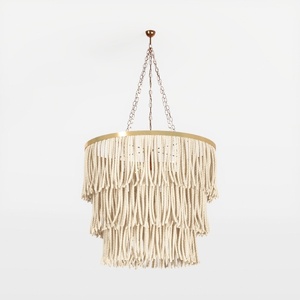
Bohemian Macrame Tassel Brass Pendant Chandelier 3D Model
Homestyler is your go-to online home design platform! With an easy-to-use design tool, stunning 3D renderings, and a wealth of DIY video tutorials, it empowers you to create beautiful spaces effortlessly. Transform your home design experience today with Homestyler!
تصميم الآن مجانا






![[14]](https://hs-designs.homestyler.com/production/design/images/2026-09-12/aa817543-bb43-4f3a-9583-2b2473af620f/1789226165872/10757139.jpg?x-oss-process=image/resize,w_502,m_mfit/format,webp)