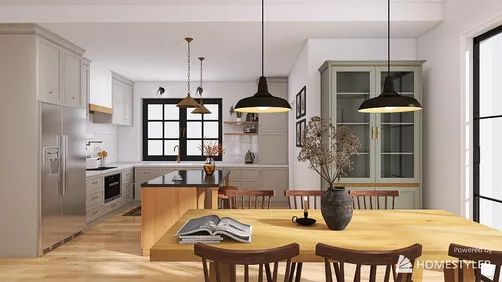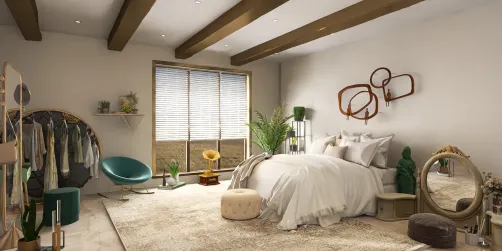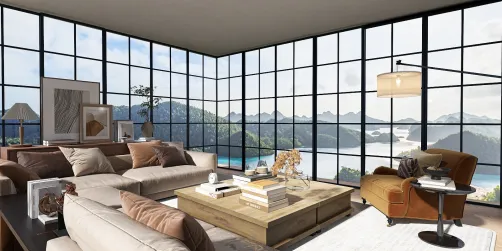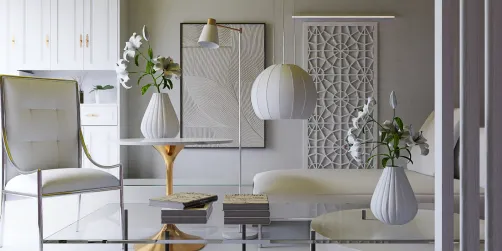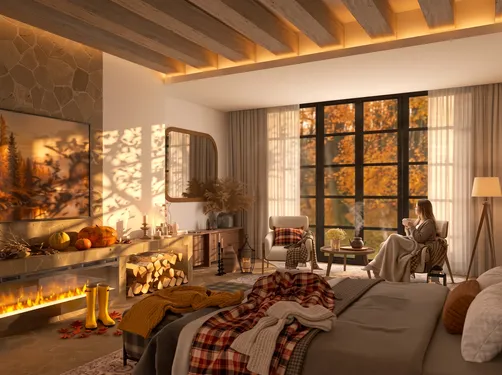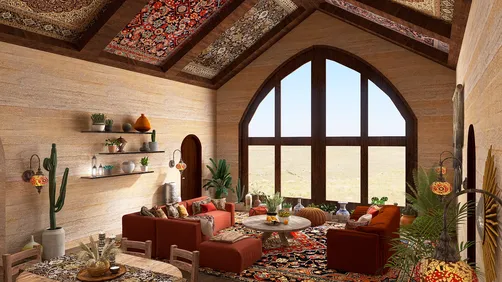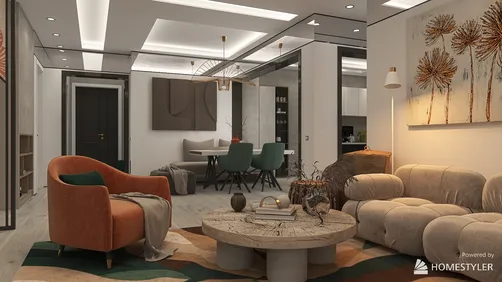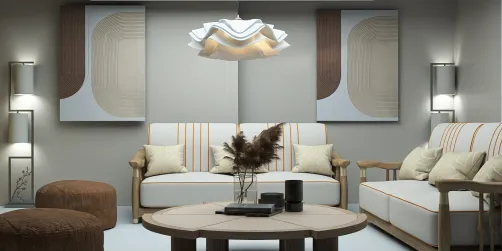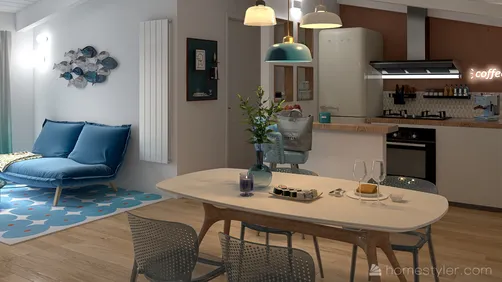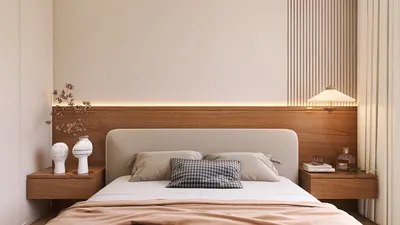



A thoughtfully designed pooja room combines spirituality with aesthetic coherence. I see it as a sanctuary crafted through proportion, illumination, and acoustics—small enough to create an intimate atmosphere, yet ample to facilitate rituals in a safe and comfortable manner. Whether you embed the shrine within a shared living space or opt for a dedicated area, the design should enhance your daily practices without creating visual chaos or physical discomfort. Utilizing tools like Homestyler can help visualize and refine this space effectively.
When it comes to sizing, ergonomics and comfort serve as key points of reference. Typically, seated prayer requires a floor space of at least 24–30 inches in depth per individual, while for kneeling or performing padmasana, around 36 inches is preferable. For conducting standing aarti with arm movements, ensure you have at least 36–42 inches of clearance in front of the mandir. The WELL v2 guidelines emphasize maintaining adequate clearances to prevent strain, as well as accessible reach ranges of 15–48 inches above the finished floor for frequently used items. This consideration aligns well with practical placements for garlands and diyas.
Lighting plays a crucial role in spatial dimensions, as visibility directly affects utility. According to the Illuminating Engineering Society, it’s advisable to have task lighting around 300–500 lux for intricate activities. For a pooja room, I generally target about 200–300 lux for ambient lighting, ensuring that focused areas, particularly on the deity and during aarti and incense use, achieve the higher lux range. To reduce glare, I incorporate diffusers and shielded designs. Combining warm-white lighting (2700–3000K) provides a tranquil ambiance, allowing smooth transitions from morning prayers to evening contemplation.
Essential Dimensions and Proportions
In compact living spaces, a 3' x 4' recess can accommodate a small wall-mounted mandir alongside a pull-out tray. When space permits, a 4' x 6' area can comfortably host two seated worshippers, provide safe clearance for aarti, and offer storage for puja thalis and incense. Ideally, a dedicated pooja room should range from 5' x 7' to 6' x 8', allowing room for a central rug, side storage, and an altar positioned to avoid overcrowding. Ensure a clear passage of at least 30–36 inches in front of the shrine for easy movement.
Attention to vertical proportions is equally important as the area footprint. Ceiling heights of 8' to 9' contribute to a serene and proportionate feel; if you prefer a taller shikhara-style mandir, ensure an overhead clearance of at least 12–18 inches above the tallest element for effective smoke and thermal dissipation from diyas. The deity should be positioned at eye level around 48–54 inches when seated and 60–64 inches when standing, accommodating family preferences for natural sight lines.
Mandir Size and Safety Requirements
For the mandir itself, a width of 24–36 inches suits arrangements for a single deity, whereas multi-deity setups or framed images may necessitate 36–48 inches. A comfortable depth ranges from 12–16 inches for accommodating statues, lamps, and small bells. Ensure that flammable materials are kept away from diyas, with a minimum clearance of 6–8 inches above open flames. It is essential to utilize a sturdy platform with anti-tip features and avoid placing combustible items within 12 inches horizontally of lamps or incense holders.
Lighting, Glare Management, and Color Schemes
The ambiance is set through layered lighting. I prefer hidden or recessed linear lighting to illuminate the backdrop, low-glare spotlights focused on the idol, and a small task light for reading or details. Shielding these sources from direct lines of sight helps prevent reflections off polished brass. Using warm neutrals and soft earth tones can minimize visual distractions; research in color psychology indicates that warm colors can evoke feelings of comfort and tranquility, while cooler hues enhance clarity. A warm white for the altar, paired with muted cool neutrals on surrounding surfaces, achieves an optimal balance.
Sound Control and Ritual Atmosphere
The resonance from chants and bells benefits from careful management of reverberation. A small space can become overly harsh if entirely composed of hard surfaces. To mitigate this, introduce soft materials such as rugs, fabric panels, or satin-finished wood to soften echoes while maintaining clarity. Additionally, ensure that mechanical noise is minimized by isolating the space from adjacent kitchens or bathrooms, properly sealing doors, and employing felt pads beneath doors to dampen sound transfer.
Smart Storage Solutions and Accessibility
Integrate concealed storage solutions 18–36 inches above the floor for daily use items and heavier puja trays, while lighter seasonal items can be stored at heights of 48–60 inches. Drawers that are 12–18 inches deep can effectively hold incense, matches, and wicks. While open shelving can be beneficial if dust control is manageable, vented cabinets provide a practical alternative. Maintain ergonomic reach ranges to avoid awkward bending during rituals, aligning with accessible design recommendations found in WELL v2.
Design Approaches for Various Living Situations
In a studio or one-bedroom layout, a corner niche with a sliding screen can create a respectful boundary. A compact 3' x 4' footprint paired with a foldable kneeler is a space-efficient solution. Larger homes might benefit from situating the pooja room along a calm axis, ideally distanced from high-traffic areas. If you're testing layouts before finalizing your design, employing a layout simulation tool like Homestyler can assist in visualizing proportions and circulation effectively.
Safety, Airflow, and Material Choices
Incorporate an operable window or a quiet exhaust system to disperse smoke following aarti. Select materials that are non-porous and simple to clean, such as stone, quartz, or finished solid wood that has a low-sheen surface. Utilize heat-resistant trays under lamps and avoid synthetic fabrics close to flames; cotton or wool runners are better alternatives. If incense is used regularly, contemplate a small carbon filter to manage particulates and ensure a fresh environment.
Arrangement and Symbolic Considerations
Many families prefer positioning the deity to face east or west to take advantage of natural light during prayers. Keep mirrors minimal to avoid distracting reflections. If including a water feature, ensure it has spill containment and non-slip flooring. A simple brass bell hung within reach (48–54 inches) adds a ceremonial feel without overwhelming the acoustic environment.
Design Ratios and Aesthetic Coherence
Aim to proportion the altar with a visual center that adheres to a 1:1.6 ratio—often referred to as the golden ratio—between height and width for visual equilibrium. Maintain negative space surrounding the deity—8–10 inches on either side—to prevent visual clutter. Repeated vertical lines in fluted panels or lattices can introduce rhythm, while a singular horizontal ledge helps to ground the overall design.
Preparation for Future Use and Upkeep
Plan for concealed wiring routes for a dimmer and low-voltage task lights in the space. Opt for finishes that resist oil stains from lamps, and consider shallow drawers lined with metal or ceramic tiles for easy cleaning. If this room also serves as a meditation area, incorporate floor cushions that can be neatly stored under a 16–18 inch high bench.
Frequently Asked Questions
A compact wall-mounted altar within a 3' x 4' area, combined with a small kneeling space and a pull-out tray, is feasible.
Allow for 30–36 inches of clear space for comfortable movement; increase to 36–42 inches for performing standing aarti.
Aim for an ambient light level of 200–300 lux complemented by task lighting of 300–500 lux on the altar to ensure safety without glare, in line with IES guidelines.
Warm whites paired with soft earth tones foster a sense of comfort; blend these with muted cooler neutrals to sustain clarity and visual harmony.
The optimal eye level should be around 48–54 inches for seated worship and 60–64 inches for standing, adjusted according to family height and traditions.
Choose non-combustible, easy-to-clean materials, including stone, quartz, ceramic, and solid wood with a low-sheen finish, ensuring flammable fabrics are kept away from open flames.
Indeed—utilizing a rug, soft wall panels, or matte wood can effectively absorb excessive reverberations. It is advisable to seal doors and buffer against noise from adjacent rooms.
Designate heavier puja trays at 18–36 inches from the ground, while lighter items can be placed at heights of 48–60 inches. Drawers that are 12–18 inches deep help keep incense and accessories organized.
No, a corner niche or cabinet can efficiently serve small homes; a room sized between 5' x 7' to 6' x 8' is suitable for larger residences that require space for seated prayers and storage.
Positioning the deity to face east for morning light or west for evening ceremonies is popular, but prioritizing calm and low-traffic areas is more important than strict adherence to such rules.
Yes—installing an operable window or using a silent exhaust will effectively eliminate smoke after aarti, maintaining a fresh atmosphere.
Utilize shielded light sources and aim spotlights tangentially to circumvent direct reflections, ensuring brightness aligns with the recommended lux levels.
What began as an Autodesk innovation has evolved into a design platform used by more than 20+ million registered users (platform data, 2026) around the globe. Homestyler combines powerful rendering, an intuitive editor, and a vast furniture library to help you turn inspiration into photorealistic designs — whether you're redesigning a single room or planning an entire home.

Minimalist Natural Oak Wood Pendant Lamp 3D Model

Vintage Brass Crystal Pendant Lamp 3D Model
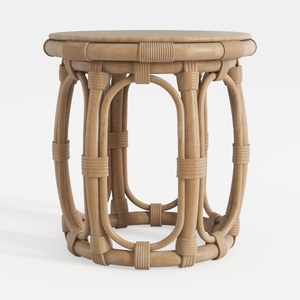

Bohemian Rattan Round Side Table Handwoven Accent 3D Model
Homestyler is a fantastic platform for anyone looking to design their dream home! With its easy-to-use online design tool, stunning 3D renderings, and helpful DIY video tutorials, you can effortlessly explore your creativity and visualize your interior design projects. Start designing today!
Progetta ora GRATIS






![[14]](https://hs-designs.homestyler.com/production/design/images/2026-09-12/aa817543-bb43-4f3a-9583-2b2473af620f/1789226165872/10757139.jpg?x-oss-process=image/resize,w_502,m_mfit/format,webp)