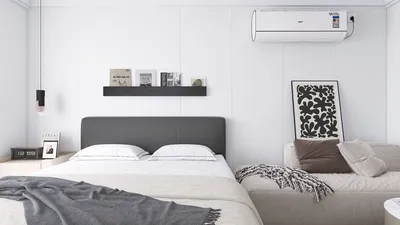


I view a mirror in the living room as not just a visual aid but also a psychological stabilizer. The design of the frame—be it architectural, decorative, or sculptural—affects its appearance, while its positioning influences movement, light distribution, and overall ambiance. A thoughtfully chosen mirror can enhance the perceived space, bring in natural light, and create a soothing visual flow without being too dramatic. Utilizing tools like Homestyler can help achieve this balance effectively.
The foremost concern is light quality. The Illuminating Engineering Society suggests aiming for 100–300 lux in living areas, tailored to specific tasks, and utilizing accent lighting between 150–500 lux to highlight textures without causing glare. It’s important to complement this baseline with a mirror that reflects lateral light from windows instead of facing them directly, as this minimizes unwanted reflections and illuminated spots. Additionally, WELL v2 emphasizes the importance of glare reduction and even lighting; I ensure mirrors are angled minimally and use fixtures with low-UGR ratings near reflective surfaces for optimal visual comfort.
The psychological impact of color influences frame selections. Warm wood finishes like oak or walnut evoke feelings of comfort and sociability, whereas brushed brass can bring a celebratory touch, and matte black provides contrast to busy color schemes. Research from Verywell Mind suggests warm tones can enhance feelings of warmth and friendliness, while cooler shades promote tranquility—these insights can guide choices in balancing vibrant upholstery with more muted frames or introducing energizing metallic accents in neutral environments.
Scale and Proportion
I recommend sizing the mirror to occupy 2/3 to 3/4 of the width of the related furniture, usually a sofa or console, to create a cohesive look rather than an isolated piece. It’s ideal to maintain a gap of 6 to 8 inches from the frame’s edges to nearby architectural features like moldings or window casings to prevent a cramped appearance. Regarding ceiling heights, utilizing tools like Homestyler can help visualize how these distances play out in your space.
When configuring above a sectional or media wall, a straightforward layout simulation with a room planning tool can help avert sizing issues and test sightlines, making it easier to visualize your design needs in Homestyler.
Frame Styles and Spatial Intent
Choosing a frame should resonate with the overall theme of the room. For gallery wall designs, a slim frame coupled with ample negative space can enhance readability; however, mixing frame widths without a definitive rhythm could lead to visual chaos.
Controlling Light, Glare, and Shadows
Mirrors enhance your existing lighting strategy, whether it’s good or bad. I prefer wall-washers set at a 30 to 45-degree angle grazing the wall surrounding the mirror rather than shining directly onto it. It’s crucial to manage luminance ratios, ideally keeping a 1:3 balance between areas adjacent to the mirror and the brightest points in the room to lessen harsh contrasts. If the mirror is facing a window, tilting it slightly downward with a French cleat can minimize interreflective issues. In the evening, layering warm accent lighting (2700–3000K) creates a cozy atmosphere, while keeping the ambient light closer to 3000–3500K helps avoid a flat, cold vibe.
Considering Ergonomics and Human Factors
In living rooms, mirrors are generally viewed at seated eye height (42 to 48 inches AFF) and from a standing position (58 to 64 inches AFF). I place the mirror's center between these two ranges, aiming for a visual midpoint around 54 to 57 inches to accommodate both perspectives. Clearances are also essential; a minimum of 18 inches from the mirror’s edge to circulation paths is advisable to prevent accidental bumps. If there’s a console positioned below, allow for a gap of 6 to 8 inches to facilitate decor placement without reflection disruptions.
Material Selection and Sustainability
For frame materials, opting for FSC-certified woods and low-VOC finishes is beneficial for indoor air quality. Frames made of recycled aluminum with powder coating ensure durability alongside sleek aesthetics. If you appreciate patina, consider unlacquered brass as it acquires character naturally, provided it’s sealed in frequently touched areas. The type of glass used is also significant: low-iron mirrors reduce any green hue, and a thickness of 5 to 6 mm minimizes distortion. Using moisture-resistant backing boards can prevent warping in humid conditions.
Acoustic and Behavioral Factors
Large mirrors can slightly raise reverberation levels. In lively living rooms, it’s advisable to balance this reflective gain with absorbent elements—think textile drapery, dense rugs, or upholstered panels close at hand. Subtle behavioral cues come into play: positioning a mirror across from the social focal point (sofa and gathering area) supports interaction, while placing it along a circulation path can energize movement, though overdoing this might lead to restlessness.
Optimal Placement Techniques
When situating the mirror above a console, align its width with the console, ensuring symmetrical margins. Adding sconces on either side of the mirror enhances vertical rhythm and maintains consistent lighting quality.
Positioning it opposite a window can maximize daylight without glare; alternatively, angling the frame or opting for a matte or textured finish can help absorb edge glare.
If placed next to art, allow the artwork to take precedence; the mirror should complement rather than compete. A thinner frame and lower contrast finish works best alongside vibrant pieces.
Beware of mounting the mirror too high over a fireplace mantle, as this can disrupt the room's eye-level balance; respecting the mantle’s scale is crucial.
Color Psychology and Mood Enhancement
The frame acts as a color lever in the space. In warm, inviting room designs, I tend to choose finishes like walnut, bronze, or champagne to strengthen sociability. Conversely, in more tranquil settings, shades like charcoal metal or ebonized oak provide a grounding effect. It's essential to match frame color with wall tones, aiming for at least a two-step lightness value difference (for instance, medium frames against lighter walls) to ensure clarity without harsh contrast. Reference color psychology to refine the emotional atmosphere of the room.
2024–2025 Design Trends to Monitor
Design elements like rounded rectangles and soft corners are becoming popular for soothing transitions in predominantly hard architectural styles. Split-batten wood frames add tactile depth without excessive detail, while warm metal finishes (champagne, bronze) are surpassing shiny chrome options. Additionally, low-iron glass is steadily gaining traction for its clarity. Focus on sustainable finishes and frames that support repairs, highlighting a trend toward longevity and circular designs.
Installation Guidelines
Employing a two-point mounting system with hidden French cleats ensures stability and easy alignment. If mounting on drywall, ensure you find the studs; for masonry, use sleeve anchors. It’s vital to check that the wall can bear at least twice the weight of the mirror. Use felt spacers at the edges to maintain a gap of 2 to 3 mm from the wall, preventing micro-scratches and allowing for air circulation.
Styling Considerations for the Vignette
Keep objects beneath the mirror at or below 2/3 of its height to preserve visual hierarchy. Repetition can enhance cohesion: match the finish of the frame with elements like lamp bases or decorative trays. Introducing softer forms—such as ceramics or foliage—can help break the linear reflections. When including candles in your design, position them slightly off-center to evade glare reflections in the mirror.
Frequently Asked Questions
Size the mirror between 2/3 to 3/4 the console width, allowing a 6 to 8 inch space above to maintain proper proportion and avoid crowding adjacent trim.
Warm finishes like walnut, oiled oak, bronze, or champagne enhance an inviting atmosphere. Research in color psychology suggests that these tones elevate approachability, making them ideal for welcoming spaces.
Position the mirror at an angle to windows, utilize wall-wash lighting instead of direct beams, and consider opting for a matte or textured frame. Adhering to WELL v2 glare control principles will ensure balanced luminance.
No, as long as you pair it with brushed or matte finishes and traditional styles, such as with a beaded console. Maintaining a modest profile will help blend the two styles effectively.
Yes, large mirrors can amplify reflections. Balance this effect with absorptive materials like rugs, draperies, or upholstered furniture to regulate reverberation levels.
Aim to center the mirror’s visual focal point around 54 to 57 inches AFF, accommodating both seated and standing viewpoints.
Absolutely, just be mindful of scale and keep embellishments minimal. A slimmer, gilded profile can introduce lightness and sophistication without overwhelming the space.
Opting for low-iron glass with a thickness of 5 to 6 mm can help mitigate a green tint and distortion, resulting in clearer colors and sharper images.
By positioning mirrors perpendicular to windows, they can redirect side-light, improving uniformity while avoiding glare. Pairing this with ambient lighting at around 100 to 300 lux as per IES guidelines for living spaces enhances the overall effect.
Choose a narrow, low-contrast frame and maintain generous spacing. This allows the mirror to act as a visual pause between artworks instead of competing for attention as a focal point.
Built on technology originally developed at Autodesk, Homestyler empowers anyone to design beautiful, realistic spaces in minutes. Join over 18 million users who have already discovered a smarter way to plan, visualize, and bring their dream homes to life — all from the comfort of a browser.
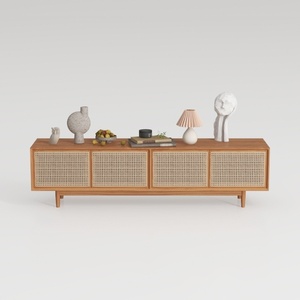
Minimalist Japandi Solid Wood Cane TV Cabinet 3D Model
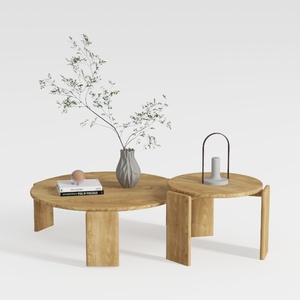
Minimalist Solid Wood Round Nesting Coffee Tables 3D Model


Modern Minimalist Solid Wood Oval Coffee Table and Side End Table 3D Model
Discover Homestyler, the ultimate online home design platform! With its user-friendly design tool, stunning 3D renderings, inspiring design projects, and helpful DIY video tutorials, you can effortlessly transform your living space into your dream home, no matter your experience level!
Projete agora para LIVRE
































