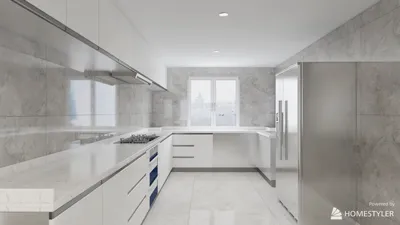


Creating a convention hall that delivers consistently for various events—be it conferences, trade shows, banquets, or hybrid setups—hinges on achieving appropriate spatial ratios, ensuring an ergonomic flow, and building resilient systems. In my experience, even minor adjustments in planning can yield significant benefits: enhanced sightlines cut down on AV expenses, well-balanced lighting minimizes fatigue, and adaptable acoustics streamline the transition between different setups. Research supports these priorities; for instance, Gensler's Workplace Survey indicates that environments fostering both focus and collaboration enhance perceived effectiveness, while their findings on event spaces underline the importance of dedicated gathering areas. Furthermore, WELL v2 emphasizes that access to quality air, light, and sound is crucial for occupant well-being and cognitive performance, establishing clear targets for lighting balance, glare mitigation, and sound reverberation.
It is crucial to prioritize lighting and ergonomics from the outset. The Illuminating Engineering Society suggests a lighting range of 300–500 lux for multipurpose areas that cater to various tasks, along with managing Unified Glare Rating to alleviate discomfort. WELL v2 also identifies lighting strategies that support circadian rhythms and sets limits on background noise and reverberation times in line with different programs, highlighting how light and sound influence focus and energy levels during lengthy events. Moreover, Steelcase research indicates that the ability to adjust posture and movement variety correlates with attendee engagement, emphasizing the need to diversify seating types and incorporate standing options and lounge breaks in pre-function areas.
Strategically planning for efficiencies in conversion is essential. I recommend dedicating 20–30% of the back-of-house area for large venues—encompassing storage, catering services, AV control, and freight—to safeguard the main floor's revenue potential. In phased hall designs, employing column-free spans (25–40 m using truss systems) creates clean vendor layouts and versatile seating arrangements. Early simulations of layouts—ensuring circulation corridors are 2.1–2.4 m clear, pinch points are at least 1.5 m, and concessions have 3.0 m widths—help minimize conflict areas and enhance evacuation procedures. Utilizing a digital layout tool such as Homestyler's interior layout planner can facilitate effective scenario testing and visualize seat configurations and attendee flow.
Establish the Spatial Framework
My approach begins by sizing the main hall from the stage line back. For a theater-style setup, I allocate 0.85–1.0 square meters per seated guest, not accounting for aisles and the stage, while 1.2–1.5 square meters is assigned to classroom configurations and 1.5–1.9 square meters for banquet rounds. A typical convertible hall can alternate between accommodating 1,800 theater seats and 900 banquet seats using movable walls and adaptable lighting zones. It's advisable to maintain a 1:6 ratio of stage depth to room length for optimal sightlines during keynote presentations; when raked seating is unfeasible, we utilize staggered seating blocks, offset aisles, and image magnification to preserve visibility without escalating costs.
Design Circulation for Flow and Safety
Pre-function spaces act as pressure relief valves. I allocate 0.35–0.5 square meters per attendee during peak intermission loads, ensuring clear 3.0 m paths throughout entry and registration areas. Entry vestibules should incorporate 1.5–2.0 m windbreaks with acoustic treatments to prevent lobby echo from disrupting the main hall. For expo settings, design a main boulevard spanning 3–6 m with cross-aisles measuring between 2.4–3.0 m. Avoid dead ends since they can hinder revenue; I prioritize looped circulation patterns that include vendor focal points and social gathering areas at junctions. Proper egress planning is non-negotiable—collaborate with your code consultant early to map out travel distances and door width while ensuring that security screening areas do not create congestion into public thoroughfares or transit hubs. During prototyping, I utilize a layout simulation tool to assess various queue formations and how functions like bag checks and ticketing align with ADA compliance.
Illuminate the Room for Energy and Broadcasting
Multipurpose halls require layered and dimmable lighting: a uniform ambient light level of 300–350 lux for general sessions, with boosts to 500 lux for classroom environments and a softer 200–250 lux for banquet settings. Keeping color temperature adjustable—ranging from 3000–3500K for hospitality and 3500–4000K for trade shows or presentations—is vital. Pair broad-spectrum ambient lighting with focused spotlights that can highlight stage areas or sponsor features. Implement glare control strategies through appropriate shielding angles and indirect uplighting; I aim for a UGR of less than 19 during presentation-heavy events. For streaming purposes, it’s essential to establish vertical lighting targets at lecterns and side-stage locations to minimize shadows during broadcasts. Referencing best practices from the Illuminating Engineering Society provides exemplary guidance.
Design Acoustics and AV Systems from the Start
Concrete structures tend to amplify acoustic issues. I advocate for implementing broad-spectrum sound absorption on at least 25–35% of wall surfaces in expansive halls, complemented by ceiling clouds and diffusive elements to mitigate disruptive echoes. For events prioritizing clear speech, target mid-frequency reverberation times of 0.8–1.2 seconds; expos can handle slightly longer, although it’s crucial to monitor potential low-frequency issues stemming from subwoofers. Install noisy HVAC systems on vibration isolators, and direct return air high to diminish cross-talk at door entries. Ensure that AV infrastructure is integrated from the outset: provide distributed audio zones based on partitions, include DMX/PoE for lighting control, and plan for easy access catwalks or tensioned grids for secure adjustments during events, with power/data outlets spaced every 6–9 m. Hybrid broadcast stations should be outfitted with dedicated fiber optics and isolated power solutions to maintain streaming quality.
Select Furniture to Enhance Ergonomics and Turnover
The choice of seating directly influences attendee stamina. For segments extending beyond 60 minutes, I opt for chairs with contoured backs, 450–500 mm seat widths, and at least 760 mm row spacing to facilitate comfort during ingress and egress. In classroom arrangements, 600 mm table widths per person, paired with 900 mm aisles, prove effective for efficient briefings; integrating cable pass-throughs ensures tidy power distribution. It’s beneficial to diversify seating options with high-top seating near food and beverage areas, soft lounge clusters positioned within sound-absorbent zones, and lean rails along circulation pathways for mini-breaks. Insights from Steelcase and Herman Miller’s studies support the value of incorporating variety in seating styles to combat fatigue and boost engagement.
Develop a Material and Finish Strategy
The objective is to achieve durability without sacrificing aesthetic diversity. I recommend pairing high-wear luxury vinyl tile or polished concrete in expo areas with cushioned carpet tiles in session seating spaces for enhanced acoustic treatment. Wall panels featuring replaceable fabric coverings simplify maintenance. Opt for low-VOC and formaldehyde-free materials to enhance air quality; these selections align with WELL v2 credits. Additionally, color psychology plays a role: using cool neutrals and muted blues or greens can reduce cognitive load in session spaces, while warmer tones like amber and coral near concessions promote social interaction and encourage foot traffic. Ensure surfaces are sponsor-ready—incorporating neutral backgrounds and integrated power options allows for quick branding updates without clutter.
Optimize Back-of-House and Service Logistics
Service corridors and loading docks function as the lifeblood of any event. Aim for at least one full-height roll-up door leading directly to the hall, avoiding sharp 90-degree turns, while ensuring a clear width of 3.5–4.0 m, compatible with standard truck heights. Allocate sufficient conditioned storage space for 1.5–2.0 room turnover cycles (including chairs, tables, and stanchions). Catering should feature facilities for both hot and cold holding, with plating lines located adjacent to the main hall and separate scullery areas for managing odors and noise. Position AV control rooms where there are direct sightlines (or reliable camera feeds) alongside redundant power provisions. The wayfinding in back-of-house segments should reflect the front-of-house design—clean, consistent, and appropriately illuminated for safety.
Facilitate Flexibility with Partitioning
Using airwalls with a Sound Transmission Class (STC) rating of 52–56 enables concurrent programming without sound crossover. Coordinate these partitions with the layout of lighting and HVAC controls to ensure that smaller spaces do not feel overly spacious. Maintain symmetry in rigging points across these partitions to avoid dark or unutilized zones after reconfiguration. Typically, I design recessed pocket doors for pre-function breakout rooms, allowing the promenade area to expand during high-traffic intermissions, subsequently contracting for focused networking sessions.
Implement Human-Centered Wayfinding
In expansive venues, cognitive load can skyrocket. I rely on a three-tiered system for wayfinding: architectural features (such as portals, lighting variations, and material changes), static signage (ensuring consistent iconography and legible fonts), and dynamic displays (including real-time schedules and sponsor rotations). Increase illumination levels by 10–15% at decision-making points to encourage movement. Clearly indicated ADA-compliant paths with equal distances, tactile surface cues, and high-contrast edges at ramps and stairwells improve accessibility. Additionally, restrooms and hydration stations should be easily visible from main thoroughfares to reduce the number of inquiries directed at staff and facilitate quicker returns to events.
Focus on Sustainability and Operational Efficiency
Prioritizing energy and water efficiency is a sound business strategy, far beyond just a compliance checkbox. Utilizing LED lighting paired with advanced controls substantially reduces energy consumption, while incorporating occupancy and daylight sensors curtail waste in partially utilized setups. Adopting MERV-13 or superior filtration systems and commissioning ventilation rates according to occupancy levels ensure adherence to health standards. Employ low-flow fixtures throughout public and back-of-house areas. For operational efficiency, design adaptable sponsor engagement points featuring digital displays to minimize reliance on single-use graphics. Selecting durable materials with modular replacement options, such as carpet tiles and panel systems, can significantly lower lifecycle costs and reduce landfill contributions.
Conduct Tests, Simulations, and Iterations
Prior to finalizing plans, I prototype major event formats—keynote addresses, expos, banquets, and breakout sessions—using design visualization tools to assess sightlines, circulation widths, and service pathways. Engaging with event managers, caterers, and AV teams during this phase allows for adjustments that save time on site and highlights any constraints early on. Planning for peak queue scenarios, ADA seating distribution, and swift stage transitions builds trust with event coordinators and maintains predictable turnover rates. For experimenting with seating arrangements and attendee pathways, utilizing room design tools like Homestyler facilitates rapid iterations and comparisons.
FAQ
For initial planning, allocate 0.85–1.0 square meters per person for theater-style setups (plus additional space for aisles and the stage), 1.2–1.5 square meters for classroom configurations, and 1.5–1.9 square meters for banquet layouts. A hall of 2,000 square meters can typically accommodate approximately 1,400–1,700 theater seats or roughly 900–1,200 banquet seats, dependent on the staging and aisle configurations.
Aim for an ambient light level of 300–350 lux for general sessions, 500 lux for focused classroom/tabletop tasks, and 200–250 lux for banquets. Maintain a UGR below 19 during presentations and ensure color temperatures are adjustable between 3000K and 4000K for flexibility.
For speech-driven events, target mid-frequency reverberation times between 0.8–1.2 seconds. Combine the use of ceiling clouds, wall absorption covering 25–35% of the area, and diffusing elements. Keep mechanical noise isolated and ensure high routing of return air. Coordinate with the AV team to implement distributed speaker systems for enhanced clarity.
For pre-function paths, a minimum clearance of 3.0 m is required; aim for 2.1–2.4 m for secondary connections. Trade shows benefit from main boulevards of 3–6 m and cross-aisles that measure 2.4–3.0 m, depending on booth density and anticipated peak loads.
Design 20–30% of the total area for back-of-house functions, including storage, catering, AV needs, docks, and service corridors. This approach maximizes uptime of the main floor and accelerates the turnaround between events.
Select mid-density foam chairs with contoured designs featuring 450–500 mm seat widths, 760 mm row pitch, and optional armrest rows for accessibility. Include varied seating styles in lounges and high-top perches to combat fatigue during extended engagement times.
Configure broadcast areas with dedicated fiber optics, isolated power systems, and unobstructed camera sightlines. Incorporate vertical lighting targets at lecterns and side-stage areas, ensuring stringent acoustic treatment to maintain high-quality audio capture.
In expo routes, pairing LVT or polished concrete with cushioned carpet tiles in seating zones is effective. Employ replaceable fabric wall panels for easy maintenance and sound absorption, and ensure low-VOC material selections to support indoor air quality.
Indeed—specify airwalls rated STC 52–56, ensuring integration with MEP zoning and lighting circuits. Plan rigging points and speaker placements to ensure that each sub-room operates independently while preventing sound crossover.
Layer your design with architectural navigation, static signage, and dynamic displays. Increase illumination at important decision points by approximately 10–15%. Maintain consistent pictograms and ensure ADA-compliant pathways have equivalent travel distances and high-contrast borders.
Utilizing LED technologies with interconnected controls, occupancy/daylight sensors, and MERV-13 filtration systems, along with low-flow fixtures, will enhance sustainability. Modular finishes and digital sponsor points allow for efficient replacement and minimize waste.
As soon as the conceptual designs are laid out. Simulate various event setups—keynotes, expos, banquets, and breakout formats—to verify egress paths, queue management, and service logistics. Early testing aids in reducing late-stage modifications and ensures budget accuracy goes unexplored.
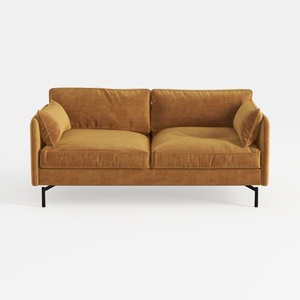
Corduroy High Resilience Sofa with 2 Pillows,57.9
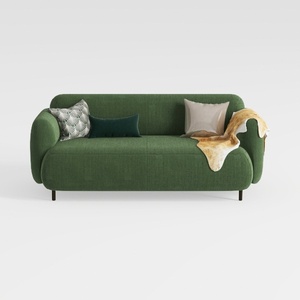

UIXE Loveseat Sofa, 63" Modern Love Seat Corduroy

Meridian Furniture 599Cream Desiree Collection
Discover Homestyler, the ultimate online home design platform that empowers you to create stunning spaces effortlessly. Featuring an intuitive design tool, impressive 3D renderings, a wealth of design projects, and engaging video tutorials, it's perfect for bringing your home design dreams to life—regardless of your experience level!
تصميم الآن مجانا
































