

Creating exceptional banquet halls is an artful endeavor that blends space, illumination, acoustics, and circulation to craft an unforgettable atmosphere. In my designs, the most effective event spaces adhere to a fundamental principle: prioritize human behavior in the design process, then incorporate aesthetic elements. Research supports this, as the Gensler Workplace Study indicates that spaces featuring adaptable zones enhance user satisfaction and efficiency—a principle highly relevant for versatile event venues. Furthermore, WELL v2 emphasizes the importance of light quality, glare management, and noise control in establishing comfort and setting the tone for extended gatherings.
It's crucial to approach lighting and sound with precision. The Illuminating Engineering Society (IES) recommends a lighting level of 200–300 lux for dining setups and 300–500 lux for active events such as stage setups or presentations; ideal color temperatures range from 2700–3000K for dining to 3500–4000K for presentations, effectively balancing warmth and clarity. WELL v2 also highlights the importance of acoustic comfort, suggesting that reducing reverberation time (RT60) to between 0.7 and 1.0 seconds can significantly enhance speech clarity without compromising the room's energy. Meeting these criteria leads to longer attendee engagement and fewer operational errors during complex banquet services.
Color plays an understated yet profound role in mood regulation. According to guidance from Verywell Mind on color psychology, warm colors can energize social environments, while cooler tones promote tranquility—ideal for pre-function lounges or VIP areas. To ensure a banquet hall effectively accommodates weddings, galas, and business functions, I design with a neutral architectural palette (taupe, pearl gray, soft sand) while introducing seasonal colors through linens, floral arrangements, and lighting designs, ensuring the space remains timeless and adaptable.
Designing the Spatial Core
Begin with a comprehensive zoning layout: from arrival to pre-function areas, the main hall, service routes, and back-of-house sections. It’s essential that guests do not visually interact with staging, catering setups, or waste disposal areas. For a banquet accommodating 400 to 500 guests, I aim for a main hall size of 8,000 to 10,000 sq ft (roughly 18 to 22 sq ft per guest, including circulation), featuring a minimum clear ceiling height of 16 to 20 feet to accommodate rigging, projection, and expansive floral decorations. A well-structured pre-function space (2 to 3 sq ft per guest) serves to buffer late arrivals and bar lines, minimizing congestion at entry points. If you're exploring layout configurations or assessing sightlines, utilizing a room layout tool, such as Homestyler, can help visualize various seating and stage arrangements efficiently.
I design a primary aisle network of 6 to 8 feet, creating distinct seating blocks of 8 to 10 tables, with 60-inch round tables spaced 5.5 to 6 feet apart for comfortable chair movement and server navigation. Maintain a distance of at least 12 to 15 feet from the stage to the first table to facilitate AV management and MC movement. Service corridors should operate independently, allowing smooth two-way cart traffic with a minimum width of 6 feet, providing easy access to the scullery and cold preparation areas to reduce the turnaround time between courses.
Lighting That Sets the Story
Event lighting must be layered and easily customizable. I recommend creating at least four distinct lighting scenes: Reception, Dining, Toasts/Presentations, and Dance, ensuring each scene aligns seamlessly with the audio-visual timeline to ensure smooth transitions and avoid abrupt changes.
Acoustic Comfort and Speech Intelligibility
Nothing disrupts a toast like poor sound quality. For banquet configurations, I target an RT60 reverberation time between 0.7 and 1.0 seconds, employing fabric-wrapped wall panels, acoustically absorptive ceiling treatments, and soft finishes, such as heavy draperies and thick carpets. Tableside conversations benefit from maintaining background noise levels below 70 dBA during services. Distributed audio solutions (like ceiling delays or column arrays) ensure uniform sound coverage while aligning loudspeakers with reflective surfaces to minimize echo.
Flexible Staging and Sightlines
An adaptable stage with modular risers at a height of 12 to 24 inches allows for seamless transitions between wedding ceremonies, corporate keynotes, and live performances. Ensure that projector paths are unobstructed—drop screens should be situated below chandeliers and trusses. In rooms measuring 120 to 140 feet in length, centering the stage along the shorter wall compresses sightlines; for more narrow spaces, consider installing dual IMAG screens flanking the stage for improved visibility.
Color, Texture, and Material Choices
To ensure visually appealing photography under various lighting conditions, select low-sheen, high-CRI finishes such as eggshell-painted plaster, matte oak or ash veneers, and textiles with subtle textures. Avoid strong color casts on dominant surfaces; instead, utilize RGBW fixtures or gelled accents to introduce color while keeping the overall aesthetic flexible. It's essential to choose durable, easy-to-clean materials—commercial-grade textiles (≥100,000 double rubs), stain-resistant carpet tiles in high-traffic areas, and moisture-proof cabinetry at bars and service locations are crucial elements.
Back-of-House That Works as Hard as the Party
The enchantment of a banquet unfolds largely behind the scenes. I design using double-dishwash lines for events exceeding 300 attendees, incorporate hot holding areas near the entrance of the hall, and ensure clear landings for efficient plated service. Additionally, ice wells and speed rails at every bar, along with under-counter refrigeration, are essential for maintaining garnish quality. A dedicated vendor corridor ensures that florists, DJs, and event planners remain discreetly out of sight from guests.
Planning for Multiple Event Types
Your banquet hall is likely to host a variety of events, including weddings, anniversaries, and corporate galas. It’s vital to create a modular approach: utilizing interchangeable backdrop panels, neutral drapery on track systems, mobile bars, and flexible lounge areas. Incorporating storage into the design is essential—allocating 8 to 10% of the total floor area for on-site storage of decor, chairs, and AV equipment allows for increased efficiency. For those managing various seating arrangements, a layout simulation tool like Homestyler can simplify the process, enabling you to test banquet, classroom, and theater setups without guesswork.
Human Factors and Ergonomics
Comfort is crucial for creating memorable experiences. Chairs should be designed with seat widths of 18 to 19 inches, heights of 17 to 18 inches, and supportive lumbar features to accommodate hours of seating. Ensure that aisle crossings at bars and photo areas are wide enough (8 to 10 feet) to prevent queue spillover. Arrange photo opportunities in well-lit spots that flatter subjects (near soft illuminations or windows) while avoiding harsh downlights that create shadows. The number of restrooms and their layout is significant—plan for inclusive access by integrating zero-threshold entries.
Branding and Guest Journey
Crafting a cohesive narrative is essential: design a sculpted entryway with clear signage, a stylish pre-function area for mingling, a captivating transition into the main hall, and a simple exit strategy. The branding graphics should be adaptable—utilize LED message boards and magnetic signage for quick event theme changes. An understated scent strategy can leave a lasting impression; coordinating it with the ventilation system prevents overwhelming guests during their dining experience.
Sustainability and Operations
Opt for LED lighting systems that boast high energy efficiency, low flicker rates, and smart controls to minimize energy and heat output. Implement low-flow faucets in bars and choose durable tableware to limit single-use waste. Where feasible, incorporate natural light through strategically positioned clerestories, mitigating glare with dimmable electric lights that adjust with scene shifts. Prioritizing materials that carry third-party certifications (such as low-VOC paints and FSC-certified wood) will improve air quality and increase the longevity of the venue.
Budget-Smart Upgrades That Move the Needle
If I were to identify three key investments that yield significant returns, they would be acoustic treatments (for immediate speech clarity), lighting controls with adjustable scene presets (for tailored ambiance), and modular decorative infrastructures (such as backdrops, track drapery, and moveable bars) to facilitate fast event transitions. Each of these elements enhances revenue potential by accommodating a broader range of event types and tighter scheduling.
Checklist for the Sanghavi Banquet Hall
References and Further Reading
Investigate human-centered spatial design and performance studies from reliable sources, including the Gensler research library and the WELL Building Standard (v2), which offers insights on lighting and acoustics for event spaces. Both sources provide invaluable, data-supported information that directly applies to the world of event venues.
External resources: gensler.com/research | v2.wellcertified.com
FAQ
I typically allocate about 18 to 22 square feet per guest, factoring in circulation paths, stage margins, and service aisles. This approach ensures comfortable chair space and efficient tray service without feeling sparse or overcrowded.
For weddings, I recommend using warm lighting (2700–3000K) with accent pin spots, while corporate events benefit from 3500–4000K lighting on stage and neutral ambient lighting for clear photography and presentations.
Achieve clarity in sound by combining absorptive ceiling clouds, fabric-wrapped wall panels, and heavy drapery on at least two opposing walls. Aim for an RT60 of around 0.7 to 1.0 seconds to optimize speech intelligibility.
For round tables measuring 60 inches, set them 5.5 to 6 feet apart, provide 6 to 8 feet for primary aisles, and maintain 12 to 15 feet between the stage edge and the first row of tables to ensure smooth movement.
Utilize modular stage designs, track-mounted drapery systems, mobile bar units, and pre-programmed lighting scenarios. Plan storage areas near the hall, allocating 8 to 10% of floor space for efficient storage of decor and equipment, which facilitates rapid turnover.
Employ distributed audio systems for even sound distribution and tune the room acoustics to achieve an RT60 around 0.8 seconds. Consider adding bass traps or more substantial acoustic panels if the venue regularly hosts amplified performances.
Opt for low-sheen finishes and high-CRI-compliant paints (e.g., eggshell), along with matte wood veneers and textured fabrics. Steer clear of bold color casts on large architectural elements to maintain flexibility in design.
Ensure that there is 8 to 10 feet of clearance around high-traffic areas, prevent queues from infringing on main aisles, and choose photo op locations with softer lighting options rather than harsh downlights that create unflattering shadows.
Implement layered lighting with scene control, modular staging systems, neutral drapery on tracks, mobile bars, and a versatile AV framework (DMX coupled with scalable audio systems).
Absolutely. Utilize an interior layout planner to visualize various banquet, theater, and classroom arrangements, verify sightlines, and generate setup documents for vendor coordination with ease.
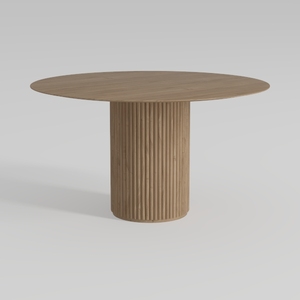
Tribesigns 47" Round Dining Table for 4, Farmhouse

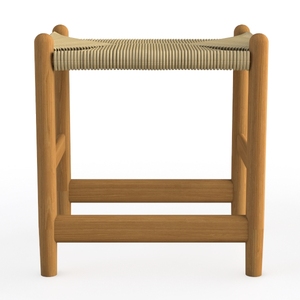
JONATHAN Y DRC1002A-SET2 Waldo Classic Mid-Century
Homestyler is your ideal partner for home design. With its user-friendly online design tool, stunning 3D renderings, and a wealth of inspiring design projects and DIY video tutorials, you can effortlessly create your dream space—even without prior experience! Dive in and start designing today!
Design Now for FREE
































