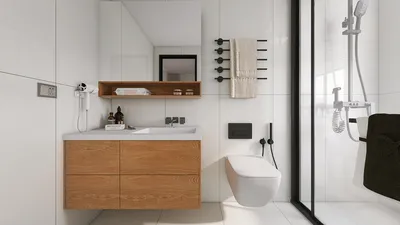


Throughout my experience designing spaces for wellness centers and retreat properties, I've learned that embracing simplicity does not equate to sacrificing comfort. For instance, at Isha Foundation’s Coimbatore campus, the design of the rooms is intentionally aimed at promoting restful restoration, mindfulness, and a harmonious community experience. Creating these environments requires thoughtful consideration of various elements—space proportions, natural light dynamics, sound absorption, and tactile materials all play vital roles in supporting human tranquility. Utilizing tools like Homestyler can help streamline this design process.
Research supports the idea that the design of spaces significantly impacts restorative experiences. The WELL Building Standard (v2) specifies optimal daylight exposure and glare management to enhance sleep quality and align with natural circadian rhythms; its Light concept emphasizes the importance of visual comfort while safeguarding melatonin production. Findings from Steelcase indicate that visual distractions and uncontrolled noise detract from focus, affecting cognitive recovery and overall wellbeing in shared environments. These principles are particularly relevant for meditation-oriented accommodations, where controlled lighting, unobstructed views, and minimal noise are crucial. For comprehensive guidance, visit wellcertified.com.
Colors can profoundly affect our autonomic nervous system more than one might think. According to a summary on color psychology by Verywell Mind, cool and desaturated hues, such as soft blues and greens, can lower arousal levels and heart rate, while vibrant reds can heighten alertness. In spaces designed for meditation or sadhana, using muted colors, earth tones, and natural materials promotes a calming atmosphere conducive to restful states without feeling lifeless. Combining matte finishes with warm-white lighting (2700–3000K) minimizes glare and enhances contrast for early morning routines.
Optimal Layouts for Tranquil Spaces
Retreat rooms thrive on a clear functional sequence: entry → cleanse → rest → practice. I recommend maintaining a circulation width of 900–1000 mm to prevent congestion and encourage a gradual movement flow. Positioning the bed away from direct sunlight ensures comfort, with headboards aligned against sturdy walls for added security. In spaces designated for seated meditation, a specific practice zone of at least 1200×1200 mm with a low surface for accessories keeps rituals organized and accessible.
For designers or managers looking to optimize layouts, utilizing a room layout tool can swiftly demonstrate bed-window dynamics and sunlight trajectories. This tool helps visualize walking paths, manage transitions, and consider the placement of quiet areas in relation to doors and bathrooms prior to finalizing furniture arrangements.
Illumination: Managing Daylight and Color for Optimal Comfort
Although natural light is beneficial, meditation spaces handle it best when diffused and evenly distributed. Aim to keep task illumination around 150–300 lux for reading without overexposing the space; this is aligned with recommended lighting levels for low-activity guest rooms. For nighttime, layer lighting: incorporate a dimmable ambient source (approximately 150 lux), a warm bedside light at 2700–3000K, and low-level pathway lights for safety. Gentle luminance contrasts can help minimize squinting and protect melatonin production during pre-dawn activities.
Mitigating glare is key. Implementing double-layer window treatments—light-filtering fabric combined with blackout options—can help manage intense morning light. Utilizing matte paints (≤10 GU gloss) and low-specular laminates can prevent reflection issues. If mirrors are included in the design, it’s advisable to place them at an angle to avoid direct light bouncing onto beds.
Sound Control: Designing for Quietness
Achieving acoustic tranquility hinges on material choices, rather than merely regulations. Using soft flooring like dense rugs or cork, adding fabric-covered panels behind headboards, and opting for fabric blinds can enhance sound absorption in the crucial 500–2000 Hz range, where human conversations typically occur. Target an RT60 value of around 0.4–0.6 seconds in smaller rooms to achieve a crisp silence without making the space feel lifeless. Installing door sweeps, seal strips, and solid-core doors contributes more to soundproofing than many might expect; combined with staggered stud walls, they can significantly upgrade acoustic comfort during renovations.
Posture and Ergonomics for Mindfulness and Relaxation
Designing for sitting posture is an essential responsibility. Provide firm, supportive cushions with various heights (100–150 mm), along with a low bench for those who prefer a neutral hip position. If a desk is incorporated, its height should be around 720–740 mm with a supportive chair 430–460 mm from the ground to ensure a comfortable elbow angle. Positioning beds at approximately 500–550 mm can facilitate smooth transitions following long periods of sitting. Features like handles and storage should be accessible within a 900–1200 mm range to accommodate most guests without discomfort.
Choosing Materials and Ensuring Sustainability
Natural materials inherently align with the philosophy of retreats, yet they should withstand humidity and high usage. Opt for solid wood with low-VOC finishes, mineral-based paints, and natural fiber textiles such as cotton and linen blends to keep sensory elements authentic. In areas that undergo frequent maintenance, high-pressure laminates with matte textures and a balanced light reflectance value (40–60) can provide softness visually. Look for durable, cleanable fabrics rated for more than 50,000 double rubs to ensure longevity, and steer clear of overly plush carpets that trap dust and complicate cleaning.
Creating Micro-Zones for Ritual and Storage
Compact spaces can be beautifully functional with the implementation of micro-zones; for example, a slim shelf for incense or a diya, concealed storage for mats and cushions, and a private nook for personal belongings. Limit open storage to minimize visual distractions, and opt for closed storage with understated hardware to bring calm to the visual environment. In shared accommodations, having dual hooks and mirrored bedside spaces can help avoid conflicts in accessibility.
Navigating Spaces and Enhancing User Rhythm
Guests who arrive after long journeys benefit greatly from clear wayfinding. Within rooms, the design should provide an intuitively understood sequence: place necessary items along the predominant visual focus and ensure the practice area is discoverable yet not overtly prominent. Continuous sightlines from the entrance to the window help solidify spatial orientation; this greatly eases the nervous system and reduces time spent searching for needed items. Subtle cues, such as variations in floor texture or a warm light wash, can guide behaviors without needing explicit signs.
Maintaining Airflow, Comfort, and Quality
Comfort during meditation heavily relies on a stable microclimate. Set thermal conditions to a moderate level (22–24°C) to minimize fluctuations. Utilize quiet fans or HVAC systems with low sound outputs to prevent sound disruption. If operable windows are included in the design, employing insect screens and carefully controlling the openings can help maintain safety and balanced air exchange. It’s also crucial to choose materials and cleaning products that adhere to low-VOC standards to minimize sensory irritation during prolonged meditation sessions.
Ensuring Safety and Maintenance
The essence of retreat hospitality lies in consistent predictability. Utilizing slip-resistant floors in bathrooms (≥R10), rounding off furniture corners, and incorporating night path lighting can greatly decrease accident risks. Select durable hardware designed for frequent use, like lever handles and wipeable switches. Maintenance routines should regularly check doors, fabrics, and acoustic materials to avoid small issues—like worn door sweeps or damaged blind cords—that can cause significant disruptions in quieter environments.
Designing for Diverse Guest Needs
Recognizing that not all guests will prefer traditional sitting poses is key. Offering versatile seating options, supportive chairs, and cushions accommodating various body types is essential. Older participants may benefit from higher bed and chair designs; taller guests could require extended beds or clear foot space devoid of framework. If rooms cater to volunteers or students with limited time, focus on durable materials and easy-to-clean surfaces, ensuring turnover remains visually refreshing.
Insights from On-Site Projects
In my experiences at retreat facilities, I've observed that repositioning beds away from window walls and including a subtle upholstered panel behind headboards significantly enhances the perception of silence. Transitioning from glossy to eggshell finishes, along with improving door seals, effectively mitigates both noise and glare—an affordable yet impactful strategy. Implementing a simple dim-to-warm lamp near the practice space further supports guests in maintaining their circadian rhythm during early morning or late evening sessions.
Common Questions
Maintain ambient illumination at around 150–300 lux, complemented by warm color temperatures (2700–3000K). This lighting level supports comfortable reading and gentle activities without harshness, aligning with IES guidelines for spaces with low activity.
Utilizing muted, low-saturation earth tones alongside soft blues and greens can significantly contribute to a calming environment. Research compiled by Verywell Mind indicates that such cooler, understated colors can aid in reducing physiological arousal.
Integrate door sweeps and seals, employ dense area rugs, fabric window treatments, and upholstered headboards to enhance mid-frequency sound absorption and decrease speech transmission, creating a quieter environment.
A designated practice area measuring 1200×1200 mm is suitable for the majority of seated practices, providing space for cushions and a small surface for necessities. It’s important to keep circulation paths distinguishable to avoid clutter.
Use light-filtering drapes in conjunction with blackout liners to successfully manage morning sunlight while preserving brightness throughout the day, thus mitigating glare on beds and walls.
Ensure the headboard is positioned against a solid wall and away from direct sunlight, maintaining a clear route from the entrance to the bathroom. Evaluate room setups using an interior layout planner to prevent tight spots.
Provide supportive cushions of various heights and a low bench or chair to support hips in a neutral position. Adjust the heights of beds and chairs accordingly for comfortable transitions.
Opt for low-VOC paints, natural fiber textiles, and matte laminates with medium LRV (40–60) to facilitate visual warmth while being easier to maintain. Select resilient fabric that can withstand heavy usage.
Sustain temperatures around 22–24°C using quiet fans or lower sound HVAC systems. Stable conditions and low-VOC materials help ensure comfort during extensive meditative periods.
The WELL v2 Light concept emphasizes the importance of balancing daylight and refining glare control to safeguard circadian rhythms, ultimately supporting improved sleep quality—a factor crucial for success during early morning practices.
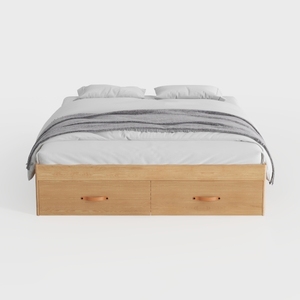
Merax Platform Bed, Full Size Wooden Bed Frame wit



Giantex Twin Over Twin Bunk Bed, Solid Wood Bunk B
Discover the power of Homestyler, your ultimate online home design companion! With its user-friendly design tool, stunning 3D renderings, and a wealth of inspiring design projects and video tutorials, turning your home design dreams into reality has never been easier. Unleash your creativity today!
تصميم الآن مجانا
































