

When crafting banquet halls, I aim for a timeless atmosphere that strikes a balance between grandeur and approachability. Mughal-inspired spaces call for symmetry, intricate arches, rich materials, and a curated flow of space that heightens anticipation. The central objective is not merely to create a visually stunning environment; it’s to orchestrate an immersive journey for guests, guiding them seamlessly from arrival to celebration with elegance and comfort, which can be easily visualized using tools like Homestyler.
In event design, the importance of scale and clarity cannot be overlooked. Factors such as seating arrangement and circulation paths are crucial for enhancing guest satisfaction and optimizing service. Steelcase research emphasizes that clear spatial organization and easy navigation help reduce cognitive strain, thereby improving comfort in communal settings. Moreover, the WELL v2 standards highlight the significance of sound management and lighting quality for the well-being of occupants, establishing guidelines for glare management and noise control, which I adapt when utilizing Homestyler for layout planning.
Lighting plays a crucial role in this design fabric. Based on IES recommendations, banquet areas should feature a layered approach to illumination: ambient lighting at 200-300 lux for general areas, 300-500 lux for setups, and accent lighting to create visual focal points without causing glare. A color temperature between 2700-3000K is ideal for flattering skin tones and enhancing fabrics, which complements the warm jewel colors of Mughal designs. By employing dimmable lighting scenes, I smoothly transition from arrival to dining to entertainment, strategically using cross-aimed uplighting to highlight arches and jali while avoiding excessive brightness.
Spatial Concept: Processional Elegance
A successful Mughal banquet hall relies on an orderly progression through distinct areas: entry court, framed passage, reception lounge, main hall, and stage. My design incorporates axial alignments and repeating arch structures, using light and proportion to add drama. In arranging seating and pathways, I meticulously chart guest movement, service routes, and emergency exits to ensure a smooth flow. For quick layout iterations—whether for banquet rounds, theater seating, or mixed lounge arrangements—I utilize a room design tool, such as Homestyler, to simulate angles, pathways, and line of sight, preventing any overlaps with primary service routes.
Proportion, Rhythm, and Sightlines
Mughal geometry emphasizes balance and harmony: maintaining a 1:2 ratio between nave and aisles, arch bays repeating in a rhythmic manner, and symmetry centered around the ceremonial platform. I ensure unobstructed sightlines from every seat to the focal point, carefully adjusting stage height relative to audience placement, typically ranging from 600-900 mm for mid-sized venues. Additionally, I keep column spacing minimal, with only 10-12% of seats positioned behind any partial obstructions. Aisle widths between 1500-1800 mm facilitate two-way service, while cross aisles help mitigate noise and maintain a comfortable ambiance.
Materiality: Heritage with Performance
Materials play a pivotal role in narrating the design story. Utilizing carved stone or cast gypsum for arches, decorative patterns, and jali screens highlights the Mughal aesthetic while incorporating high-performing materials for ease of maintenance and acoustic efficiency. I combine polished stone with wool or solution-dyed carpeting to mitigate mid-to-high frequency sound; wooden wall panels behind fabric drapery provide warmth and reduce reverberation. Finishing touches must withstand the wear from banquet events—prioritizing abrasion-resistant flooring, stain-resistant fabrics, and non-directional carpets that conceal signs of usage. Sustainability is key: selecting durable materials, low-VOC finishes, and modular units minimizes ecological impact while maintaining authentic charm.
Color Psychology and Mughal Palette
Mughal interiors favor deep colors such as ruby reds, emerald greens, lapis blues, combined with gold accents. To ensure the space feels open rather than overwhelming, I position saturated colors on focal walls and stage areas while balancing them with warm neutrals in seating sections. According to research by Verywell Mind, red hues invigorate a space, drawing attention, which I counterbalance with cooler greens and blues for restful zones. Gold accents are reserved for locations where gentle light will emphasize them delicately, while maintaining lighter tones on tables to enhance food presentation and skin tones.
Lighting Strategy: Layers, Drama, and Comfort
My lighting design incorporates four essential elements: ambient lighting canopy, accent lamps for arches and jalis, table illumination, and stage lighting. For ambient light, I apply cove and concealed uplighting at 2700-3000K, targeting 200-300 lux. Accent lights will graze decorative features without direct visibility to avoid glare. Table glow is created with low-glare pendants or pinpoint spots, ensuring well-controlled glare and no shadows interfering with dining. Performance fixtures are flexible, equipped with quiet fans, high CRI spots, and side fill to minimize harsh lighting on faces. Dimming settings define different phases of the event: reception, dining, toasts, and dancing.
Acoustic Comfort: Clear Speech, Quiet Splendor
In banquet settings, clear audio without causing fatigue is crucial. I target reverberation levels around 0.8-1.2 seconds for larger halls, implementing various acoustic absorbers, such as upholstered seats, patterned carpets, drapery near stages, and micro-perforated panels strategically hidden within archways. Distributed sound systems help to minimize peaks in sound pressure levels; I keep mechanical noise isolated with lined plenums and decoupled equipment spaces. This approach allows for a rich, luxurious atmosphere without echo.
Ergonomics and Service Efficiency
Comfort is key to creating memorable experiences. Chair heights around 450 mm, paired with 100-120 mm foam density and breathable fabrics, ensure guests remain comfortable throughout extended meals. For round tables, sizing at 60-66 inches accommodates 8-10 diners without crowding. Service pathways of 1200-1500 mm allow staff to move smoothly. Back-of-house routes are designed to be straightforward: acoustic vestibules connect the pantry to the main hall, ensuring distinct lanes for hot and cold service. I adjust buffet heights to 900-950 mm with generous corner curves to prevent bottlenecks.
Pattern, Craft, and Detail
Jali screens serve to filter light and guide movement, while pietra dura motifs highlight important areas. I merge traditional craftsmanship with modern fabrication techniques: utilizing CNC-cut designs for precision and hand-crafted gilding for artistry. Hardware becomes a form of decoration: with cast brass handles, inlaid thresholds, and discreet tracks for drapery that seamlessly integrate with the architecture.
Stage and Focal Design
The stage is centrally positioned along the main axis and accentuated by a layered iwan featuring scalloped arches and rich drapery. I proportion the proscenium to accommodate the audience size while retaining a gentle slope to optimize sightlines. Integrated audiovisual spaces blend subtly into the design; cable pathways are concealed within plinths and side structures. The back wall of the stage is designed using darker hues and textured elements to enhance depth and visual interest on camera.
Wayfinding and Arrival
Arrival experiences begin externally: lanterns create rhythm, and arches transition into the lobby. I employ a cohesive color scheme for signage—raised brass letters paired with low-glare light to sustain a clear narrative. Service entrances are unobtrusive, acoustically optimized, and designed for staff visibility. Using an interior layout planner, such as Homestyler, I test configurations for reception areas, queue lines, and cloakrooms to streamline peak entry flows and avoid congestion.
2024–2025 Trends Adapted to Mughal Settings
- Warm LED lighting with a high CRI takes the place of halogen, preserving a warm glow without the heat.
- A hybrid approach to events includes discreet streaming options, cable management, and acoustic treatments designed for clear audio performance.
- Resilient luxury combines durable textures with performance fabrics that remain sumptuous despite regular cleaning.
- Biophilic elements like courtyard planters, fragrant herbs near entrances, and gentle water sounds in vestibules enhance transitions.
- Adaptable seating configurations allow for quick changes between banquet, theater, and lounge setups.
Human-Centered Comfort and Safety
To ensure safety and comfort, I design glare-free pathways, non-slip thresholds, and thoughtful placements for handrails consistent with guest movement patterns—where people pause, turn, and gather. I position aisle ends away from buffet edges, add tactile indicators near steps, and ensure even vertical lighting on faces. Emergency illumination is integrated into architectural rhythms, so it maintains a seamless integration with the overall design.
Planning Checklist
- Determine capacity and table layouts early on (round vs. mixed formats).
- Establish axis points and focal hierarchy while protecting sightlines.
- Layer your lighting effectively: ambient, accent, table, and performance; adjust scenes within the 2700-3000K range.
- Aim for a target reverberation time around 0.8-1.2 seconds and ensure appropriate speaker distribution.
- Choose durable, low-VOC materials that provide acoustic benefits.
- Simulate circulation paths using a layout planning tool to refine service access.
- Integrate concealed audiovisual setups, cable pathways, and adaptable rigging.
- Pay special attention to thresholds, hardware, and textiles for luxurious textures.
FAQ
Q1: What seating density is most effective for a Mughal banquet hall?
A: For round tables, spacing of 1.6-1.8 m between table centers optimizes comfort and service flow. Tables sized 60-66 inches can comfortably seat 8-10 guests without crowding. Maintain aisle widths of 1200-1500 mm for two-way service routes.
Q2: How can I effectively layer lighting for an elegant ambiance without glare?
A: Use warm ambient light (2700-3000K, approximately 200-300 lux), accent grazing for architectural features, soft table lighting, and adjustable performance lighting while following IES guidelines to maintain a balanced atmosphere.
Q3: What are suitable acoustic standards for extensive event spaces?
A: Target a mid-range reverberance of 0.8-1.2 seconds, utilizing carpets, upholstered furniture, drapery near critical areas, and micro-perforated panels for sound absorption. Properly distribute audio equipment to diminish peaks and enhance speech clarity.
Q4: Which color schemes enhance Mughal-inspired interiors without overwhelming them?
A: Utilize jewel tones (ruby, emerald, lapis) as focal accents while balancing with warm neutrals in seating areas. Employ gold where gentle illumination can highlight its features. Research on color psychology indicates reds can invigorate; counterbalance with greens and blues for calming spaces.
Q5: What methods should I use to ensure elegant and intuitive wayfinding?
A: Align pathways with architectural axes, utilize arches to frame intentional thresholds, and implement minimalist signage—raised brass characters with soft illumination. Ensure service routes remain discreet and soundproofed.
Q6: What materials can harmonize heritage aesthetics with durability?
A: Combine ornate stone or gypsum arch designs with wool or solution-dyed carpets for superior acoustic control, alongside performance fabrics with stain resistance and low-VOC finishes. Prioritize abrasion-resistant flooring in high-traffic service areas.
Q7: How can I prepare the space for hybrid events?
A: Incorporate subtle audiovisual setups, concealed cables in architectural structures, adaptable lighting systems, and distribute sound evenly. Create unobtrusive streaming stations that seamlessly blend with the overall decorative theme, preserving aesthetic balance.
Q8: What ergonomic standards should inform seating and service design?
A: Maintain chair heights of around 450 mm, select comfortable foam densities, design buffet stations at 900-950 mm, and ensure turning spaces keep service paths clear at 1200-1500 mm. Staging heights should typically be 600-900 mm for visibility.
Q9: How can I effectively manage glare on reflective materials like stone and brass?
A: Utilize cross-aimed uplighting and indirect grazing techniques, avoid narrow beam angles in glossy areas, and maintain moderate luminance contrasts. Employ warm LEDs with a high color rendering index to retain a soft gleam without harsh reflections.
Q10: What are some common pitfalls to avoid in layout planning?
A: Avoid excessively long table runs that impede movement, obstructed cross aisles, and positions where columns disrupt sightlines. Test your layout with tools, such as Homestyler, to ensure an effective design prior to finalization.
What began as an Autodesk innovation has evolved into a design platform used by more than 18 million people around the globe. Homestyler combines powerful rendering, an intuitive editor, and a vast furniture library to help you turn inspiration into photorealistic designs — whether you're redesigning a single room or planning an entire home.


Minimalist Fabric Curved Sectional Sofa 3D Model
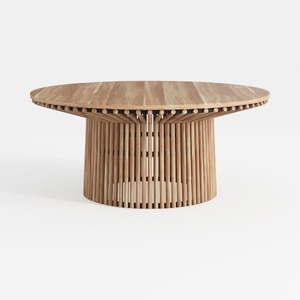
Merax Outdoor Dining Table 47.25" Round Extra
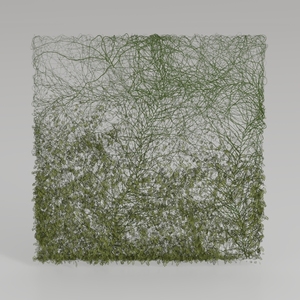
Natural Green Vine Wall Panel Decorative 3D Model
Homestyler is an exceptional online home design platform that empowers you to create stunning interiors effortlessly. With its user-friendly design tool, extensive 3D rendering options, and a wealth of video tutorials, you can easily transform your design ideas into reality. Unleash your creativity today!
지금 무료로 디자인하세요
































