


Creating an efficient, dependable, and safe cold room begins with establishing clear performance metrics such as consistent temperature control, rapid turnover rates, and safety for food or pharmaceuticals. This foundational work leads to meticulous integration of the building envelope, refrigeration systems, layout design, and human factors. In my experiences, the highest-performing cold rooms seamlessly incorporate robust insulation, meticulous airtight details, balanced airflow, and straightforward, repeatable processes that minimize door-open durations and thermal fluctuations. Utilizing tools like Homestyler can greatly enhance the design process, allowing for better visualization and planning.
Research underscores the importance of prioritizing human factors and workflow alongside engineering. Steelcase studies indicate that suboptimal environmental conditions can diminish task performance by 10–25%. In the context of cold storage, this means slower picking rates and increased door exposure. The WELL v2 standard advises on managing thermal discomfort and drafts; while it doesn't specify exact sub-zero conditions, its principles on thermal and acoustic comfort significantly contribute to creating safer work environments in cold areas. I draw on WELL v2’s framework of thermal zoning and air quality to enhance safety and productivity in personnel staging zones (source: wellcertified.com).
Thermal Envelope and Insulation Considerations
Effective insulation serves as the foundation of any cold room. I focus on continuous insulated panels (such as SIP or PIR/PUR foam) that provide verified thermal resistance throughout. Each junction is detailed meticulously to prevent thermal bridging. I choose panel thickness according to the temperature classification: for chiller rooms set at +2–+8°C, thicknesses of 100–120 mm PIR are typically adequate; for freezers operating at −18°C, a range of 150–200 mm is standard. Ensuring airtightness significantly enhances performance—just a 1 mm gap in a door seal can cause persistent frost problems and lead to overworked compressors. Continuous air/vapor barriers, properly taped seams, and thermally broken anchors are essential. Additionally, I use vestibules to keep warm service areas separate from cold zones, effectively curbing infiltration and condensation issues.
Refrigeration Strategy and Load Management
Effective capacity planning starts with a thorough heat load assessment. This includes evaluating product pull-down, heat transfer through the envelope, infiltration through doors, lighting, and personnel presence, along with defrost requirements. I carefully size compressors and evaporators to handle peak loads while avoiding continuous cycling. Integrating variable-speed drives for condensers and EC fans optimizes energy consumption at partial loads. I also implement hot-gas defrosting to limit temperature rises during frost removal. Positioning evaporators strategically to promote airflow along pick aisles minimizes dead zones and aids in rapid pull-down after door openings. My refrigerant choices align with safety and environmental benchmarks; low-GWP blended refrigerants and CO₂ transcritical systems are becoming more feasible in the upcoming years, provided adequate training and leak detection measures are established.
Airflow, Defrosting, and Frost Control
Air distribution should be designed for evenness and gentleness, aiming for rates of 0.15–0.3 m/s across storage surfaces to limit product moisture loss and guarantee uniform temperatures. I meticulously coordinate evaporator placements to prevent short-circuiting and employ baffles to guide airflow through dense shelving. My preferred defrost strategy includes scheduled hot-gas cycles during low-traffic intervals to prevent temperature spikes. It’s crucial that drain lines are heat-traced and correctly pitched to prevent ice blockages, with perimeter heating on door frames to ensure seals remain flexible. Any persistent frost indicates issues that need addressing; I focus on identifying and resolving the root cause rather than merely treating the symptoms.
Lighting for Safety and Energy Efficiency
For cold rooms, the use of LED fixtures with high output (140–180 lm/W) and low thermal production is recommended, complemented by sealed IP65-rated housings and cold-rated drivers. The Illuminating Engineering Society suggests maintaining appropriate illuminance levels; for storage aisles, achieving 200–300 lux ensures safe navigation without glare. I optimize lighting to around 4000K for color accuracy in chiller rooms, while 5000K in deep freezers enhances visual contrast. Employing motion sensors and group controls limits lighting duration, thus decreasing heat load and energy expenditure. Ensuring balanced lighting prevents shadows from tall shelving and minimizes glare, thereby enhancing picking accuracy. For authoritative standards on illuminance and glare control, refer to IES guidelines (ies.org/standards).
Ergonomics and Processes in Cold Environments
Working in cold environments presents unique challenges. I design buffer zones featuring warm staging areas adjacent to cold rooms, allowing for pre-packaging of orders and minimized door-opening times. Implementing floor markings and one-way traffic flow reduces congestion. To maintain room integrity, I advocate for hands-free door mechanisms, rapid roll-insulated doors, and smart interlock systems. Storage for personal protective equipment should be located near vestibule exits, completed with clear signage and routine equipment checks. Additionally, I aim to reduce the necessity for ladders in cold rooms by planning appropriate shelving heights and incorporating mobile picking devices suitable for sub-zero conditions.
Strategic Layout Planning for Efficiency and Safety
In layout design, I organize the space into distinct zones: intake, quarantine, high-velocity pick areas near entry points, slow-moving deep storage, and returns with quality control. This configuration minimizes travel distances and reduces door usage. When stakeholders need to visualize different configurations swiftly, utilizing a room layout tool such as Homestyler allows for simulation of aisle widths, door swings, and staging areas to evaluate traffic flow and access points before construction.
room layout tool
Materials, Flooring, and Sanitation Details
All surfaces must be non-absorbent and easy to maintain. I specify food-grade stainless steel (304/316) for high-contact zones, alongside high-density polymer or powder-coated racking to prevent ice accumulation. Floors must possess slip-resistant properties suitable for low temperatures; resinous systems with broadcast aggregate perform excellently. It’s vital to ensure that all penetrations—like conduits, pipes, and anchors—feature thermal breaks and sealed collars to combat condensation and bacterial growth. I also prioritize designing cove bases and rounded corners for efficient cleaning, with protective guards in areas prone to forklift impacts.
Doors, Seals, and Vestibular Spaces
For high-frequency use, doors should be insulated and high-speed, complemented by air curtains or strip curtains as needed. Freezers require heated thresholds and perimeter heating in frames to keep seals pliable. Vestibules function as pressure and temperature buffers, and I ensure the correct sizing and automated interlocks allow only one leaf to operate at a time. It’s critical to match door clearance widths with equipment and emergency exit needs, while also coordinating safety sensors for both personnel and vehicle operations.
Monitoring, Control Systems, and Data Management
Intelligent controls are essential for maintaining stable cold room conditions without excessive energy costs. I install temperature and humidity sensors at various heights near doors, consistently logging both product and ambient conditions. Analyzing trends informs necessary adjustments for defrost cycles, fan speed variations, and door alarm thresholds. Facilities utilizing detailed monitoring have reported reductions in door-open durations by 15–25%, leading to more stable product temperatures and less compressor operation time. Incorporating alert systems into shift protocols—such as audible alarms and dashboard notifications—promotes accountability.
Acoustic Comfort and Safety Alerts
Due to fans and defrost cycles, cold rooms can generate significant noise. While personnel spend limited time inside, clear alarm systems and effective communication remain vital. I ensure that sirens and visual alarms are positioned for optimum visibility and avoid placing continuous high-SPL zones near picking areas. Using dampers or isolation mounts can reduce structural noise. Attention to acoustic elements also ties into safety; providing clear signals avoids confusion, particularly during door cycling and vehicle maneuvers.
Energy Efficiency and Sustainable Practices
Increasing efficiency stems from enhancing envelope quality, employing variable-speed systems, and implementing heat recovery—such as reclaiming condenser heat for preheating nearby spaces or domestic hot water. Proper scheduling and usage of night curtains on open display sections cut down loads effectively. Opting for refrigerants with a lower Global Warming Potential is a crucial aspect of a comprehensive sustainability strategy, contingent on sufficient training and leak detection systems being in place. We monitor energy consumption per cubic meter stored and per throughput unit, with ongoing improvements realized by minimizing infiltration and fine-tuning defrost schedules.
Commissioning and Maintenance Best Practices
During commissioning, I ensure verifications are conducted for airtightness, evaporator air throw, door interlocks, sensor calibrations, and alarm functionality. A 30-day performance assessment following installation allows for adjustments in defrost timings and airflow optimizations. My preventive maintenance routine includes assessing seal integrity, validating drain heat trace functionality, cleaning condenser coils, and calibrating lighting sensors. Noticing ice accumulation near thresholds often signals infiltration issues that require inspecting alignment, hinges, and floor levels.
Common Mistakes and My Avoidance Strategies
Three frequent issues include thermal bridging at steel penetrations, inadequately sized vestibules, and misaligned racking that impedes airflow. I specify thermal breaks at anchor points, size vestibules based on actual anticipated traffic, and commission airflow measurements to confirm effective distribution along aisles. Another common oversight involves glare from shiny packaging; utilizing diffuse optics can mitigate this problem without sacrificing necessary illumination levels.
Frequently Asked Questions
For walk-in freezers, thicknesses of 150–200 mm using PIR/PUR are standard; the specific thickness chosen will depend on factors like climate, occupancy patterns, and overall envelope continuity. Maintaining continuous air and vapor barriers, in addition to ensuring tight seals, is just as critical as insulation thickness.
Aim for 200–300 lux in general aisles while ensuring uniform distribution and glare control. Refer to IES standards for specific targets a and luminaire selection guidance.
Equipment to minimize infiltration includes vestibules and rapid-opening doors; ensuring perimeter heating in frames, scheduling hot-gas defrost during low traffic times, and verifying that drain heat-tracing is effective. Persistent frost is often indicative of leaks or improper defrost timings.
Low-GWP refrigerant blends and CO₂ systems present viable choices, provided that trained technicians and adequate safety protocols are established. Lifecycle impacts, local regulations, and availability of service support should be evaluated.
Fast-moving items should be located near doors, utilize warm staging areas for pre-batched orders, maintain one-way traffic flow, and implement door interlocks with alarms. Smart monitoring systems tracking openings can help adjust staffing levels and workflow.
Resinous flooring systems, coupled with broadcast aggregates, offer durability and slip resistance essential for these environments. Ensuring proper substrate preparation and expansion detail handling is critical for enduring thermal cycling conditions.
Yes, utilizing cold-rated, sealed LED luminaires (IP65) with drivers tested for low temperatures is ideal. These should be coupled with motion sensors and group control mechanisms to minimize on-time and thermal load.
Use clearly visible strobe lights and alarms positioned for easy line-of-sight access. Situating high-SPL devices away from picking zones and vibration isolating fans will enhance overall signal clarity and intelligibility amidst background noise.
Verification should include checks for airtightness, airflow balance, defrost scheduling accuracy, door interlock efficiency, sensor calibration, and control settings. A thorough 30-day performance review will provide opportunities to refine configurations based on data trends.
Yes, employing a reliable interior layout planning tool like Homestyler facilitates testing of aisle widths, racking configurations, and door operability early on, thus preventing potential conflicts and promoting both safety and throughput efficiency. Early visualizations save time and reduce the need for corrective actions later.
Built on technology originally developed at Autodesk, Homestyler empowers anyone to design beautiful, realistic spaces in minutes. Join over 18 million users who have already discovered a smarter way to plan, visualize, and bring their dream homes to life — all from the comfort of a browser.


Minimalist Dark Green Fabric Loveseat Sofa with Decorative Pillows 3D Model
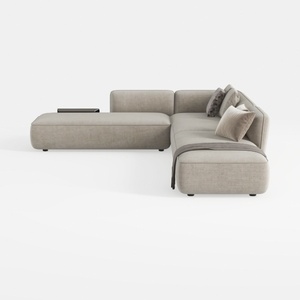
Minimalist Fabric L Shaped Sectional Sofa with Throw Pillows 3D Model
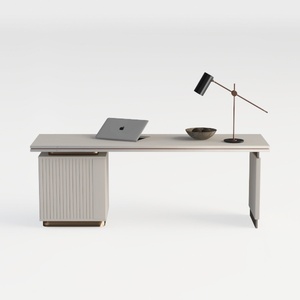
Modern Minimalist Solid Wood Office Desk With Gold Accents 3D Model
Discover your dream home design with Homestyler! This user-friendly online platform offers an amazing design tool, stunning 3D renderings, and a wealth of inspiring DIY video tutorials. Whether you're a beginner or an experienced designer, bring your ideas to life effortlessly!
Design jetzt kostenlos
































