

When designing a bachelor’s pad, I consider it a versatile living ecosystem, balancing entertaining, working, training, and unwinding. An effective floor plan is essential to ensure these activities flow seamlessly, eliminating clutter while maximizing space. In the U.S., the average one-bedroom apartment measures around 750 to 800 square feet, making it crucial for every square foot to serve a purpose. Research from Gensler indicates that 44% of individuals now split their time between home and office, prompting living spaces to also function as work areas. This shift elevates the importance of ergonomic design and sound management. The WELL v2 framework emphasizes that lighting and noise control significantly contribute to well-being, making them essential in smaller homes, particularly when using tools like Homestyler to visualize layouts.
Lighting transcends mere ambiance; it directly influences performance. Recommendations from WELL v2 suggest achieving a balanced light level and controlling glare, while IES provides guidance on task lighting, usually around 300 to 500 lux for focused tasks like reading. Insights from Verywell Mind reveal that warmer colors promote relaxation, while cooler tones aid concentration—valuable when transforming a studio's mood from a workout space by day to a cozy lounge by night. The significance of acoustic comfort cannot be overlooked; findings from Steelcase connect speech privacy and sound masking to enhanced productivity, highlighting the need for intelligent zoning and material choice in compact apartments.
Core Design Zones
I conceptualize four primary zones: Social, Work, Relax, and Utility. In studio apartments, sliding panels or open shelving can create visual boundaries while maintaining light flow. For one-bedroom units, position the Social area (living and dining) in the space with the best natural light, the Work zone along a quieter wall away from distraction, Relax (sleep) in the area most insulated from noise, and Utility (kitchen, storage, and laundry) grouped for efficiency. Utilizing a layout simulation tool such as Homestyler simplifies testing the arrangement of furniture and ensuring optimal flow.
Living and Entertaining Space
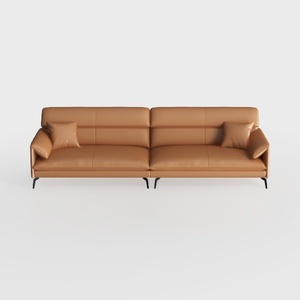
Embrace modular furniture. A low-profile sectional with a chaise can adapt easily from movie nights to seating for guests. Ensure that there is 30 to 36 inches of space between seating and walls, and maintain an 18-inch gap between the sofa and coffee table to allow for easy movement. Position the TV at eye level, approximately 42 to 48 inches off the ground when seated. Dimmable lighting in warm tones (2700–3000K) is ideal for social gatherings, complemented by a high-CRI floor lamp in reading corner. If entertaining is frequent, consider a drop-leaf dining table that can be stored against the wall and expanded when needed.
Work Area
Select a compact desk, ideally 48 to 60 inches in width, featuring organized cable management and an adjustable task light. Aim for light levels of 300 to 500 lux on the workspace, with a color temperature of 4000K to 5000K to promote alertness. An ergonomic chair offering lumbar support and a monitor positioned on a riser help maintain legal neck position. If the living area serves as an office, orient the desk perpendicularly to the window to minimize glare, and use a rug to delineate the workspace. Adding acoustic panels or a fabric pinboard behind the desk can mitigate noise disturbances.
Kitchen Functionality
Galley and L-shaped designs are optimal for compact layouts. Maintain a minimum aisle width of 40 to 48 inches for safe movement. Position the working triangle (sink, cooktop, refrigerator) where feasible with 24 inches of landing space beside each appliance. Incorporating a slim pantry pull-out and ceiling-height cabinets maximizes storage without expanding the physical footprint. For surfaces, choose matte finishes to minimize glare and fingerprints, while quartz counters offer durability. Under-cabinet LED strip lighting at ~3000–3500K ensures even illumination over prep surfaces with minimal shadows.
Bedroom Sanctuary
Position the bed with at least 24 inches of clearance on either side. If space is restricted, opt for a platform bed equipped with drawers and a headboard shelf. Layer the lighting thoughtfully: incorporate warm ambient lighting, bedside lamps featuring 2700K bulbs, and blackout curtains to manage morning brightness. For better acoustic qualities, use a fabric headboard, add a rug, and heavy drapes to absorb sound. To reduce noise, avoid placing the bed against the wall shared with noisy neighbors; consider relocating the closet to serve as a buffer.
Bathroom and Laundry Solutions
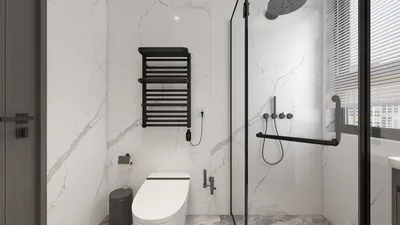
In a compact bathroom, utilize a wall-hung vanity and a pivoting shower screen to save space efficiently. Ensure at least 30 inches of clear floor space in front of fixtures. Opt for larger tiles (e.g., 24x24) to diminish visible grout lines and visual clutter. Integrate task lighting at the mirror with vertically mounted sconces to provide even light without shadows at approximately 300–500 lux. If laundry facilities are available, stackable units stored in a closet with soundproofed doors are ideal.
Storage Solutions
Effective storage is crucial in a well-planned bachelor’s pad. Build vertically with ceiling-height closets, racks over doors, and under-bed drawers. Entryways should feature space for keys, shoes, and gym gear, maintaining an open social area. In living spaces, balance closed storage beneath with open displays above to manage visual weight effectively. Utilize a deep utility closet for items like luggage, sports gear, and seasonal belongings.
Lighting Layers
I regard lighting as a dynamic control system for setting mood and enhancing productivity. Create layers of ambient (ceiling), task (desk, kitchen, bedside), and accent (art, shelves) lighting. Use dimmers throughout living spaces, aiming for 4000 to 5000K in task areas and cooler tones in lounges and bedrooms (2700 to 3000K). Avoid visible open-bulb fixtures to minimize glare; opt for indirect lighting behind shelves or in coves for a subtle wash without harsh spots.
Color and Material Selection
Establish a grounded color palette of charcoal, sand, and olive tones, then introduce selective pops of color. Research from verywellmind.com/color-psychology suggests that blues and greens instill calmness and focus, which is perfect for work and sleep environments. Opt for durable materials like quartz, porcelain tile, and high-performance fabrics to reduce maintenance. Incorporate natural textures such as oak, linen, and leather for warmth, and apply matte paints to lessen glare in compact spaces.
Acoustic Comfort
Hard surfaces tend to amplify echoes; improve your room’s RT (reverberation time) with materials like rugs, upholstered furniture, heavy drapery, and wall panels. Position speakers away from corners to minimize bass amplification. A bookcase with varying depths can function as a sound diffuser in living rooms. If gaming or late-night movie screenings are common, using rubber pads beneath subwoofers reduces vibrations transmitted through the floor.
Circulation and Sightlines
Ensure pathways remain unobstructed with clear measurements of 30 to 36 inches from the entry to living space and from living to bedroom. Avoid placing tall storage in direct sightlines; use varied heights (for instance, lower seating near windows and tall storage in the back) to keep the space feeling open. When dealing with an awkward layout, an interior planner can visually assist in trying different furniture arrangements and verifying clearances ahead of implementation.
Technology Integration
Disguise your technology hub: Installation of a power strip with surge protection beneath the desk, routing HDMI cables through wall plates, and consolidating smart lighting controls onto a single app can create a seamless living experience. If your building's walls weaken the signal, consider a mesh network setup. Strategically place charging stations near entryways and bedside tables to avoid messy cable tangles in the living area.
Sample Floor Plans for Small Spaces
Design a layout including an entry with a drop zone, a linear kitchen wall, and a central living area featuring a modular sofa. Include sliding panels to create a sleeping nook and position a work desk by a window, adjusting perpendicularly to the light. Utilize a room design visualization tool like Homestyler to experiment with panel placements and sofa configurations.
Begin with an entry closet, followed by an L-shaped kitchen with an island (ensuring back-to-back 36-inch clearances), a living and dining area near windows, a quiet work nook, and a bedroom buffered by a closet, culminating in a compact bathroom featuring a wall-hung vanity.
Sustainable Practices
Incorporate LED lighting equipped with dimmers, utilize low-VOC paints, choose FSC-certified wood furniture, and opt for durable finishes to minimize the need for replacements. Select washable slipcovers and machine-friendly rugs where feasible. Ensure appliances meet Energy Star standards and consider installing a smart thermostat if permissible by the property management.
Standards and Authority
For wellness-related guidelines impacting layout and lighting, WELL v2 serves as a reliable standard. IES criteria offer practical benchmarks for balancing lighting ratios and managing glare in both task and ambient layers.
Frequently Asked Questions
Q1: What is the optimal desk lighting level for enhancing productivity?
A: Aim for 300 to 500 lux at the work surface, with a task light color temperature of 4000 to 5000K to encourage alertness, consistent with IES guidelines.
Q2: How can I minimize glare on my TV in a brightly lit living room?
A: Position the TV at a perpendicular angle to the main window, apply matte paint on the opposite wall, and install dimmable ambient lighting to avoid contrast spikes.
Q3: What is the ideal circulation space around seating arrangements?
A: Maintain a clearance of 30 to 36 inches for main pathways and ensure about 18 inches between a sofa and coffee table for ease of access.
Q4: Which colors can help a compact apartment feel calm yet focused?
A: Gentle blues and greens promote tranquility and concentration, as suggested by color psychology; utilize warm neutrals in leisure areas and cooler hues around workspaces.
Q5: How can I incorporate storage without visually shrinking my living space?
A: Utilize vertical solutions such as ceiling-height cabinets, pair closed storage below with open shelving above, and add under-bed drawers to maintain an open floor area.
Q6: What lighting temperature is best for a restful bedroom environment?
A: Use a warm lighting temperature of 2700 to 3000K with layered, dimmable fixtures that facilitate relaxation and align with circadian rhythms.
Q7: How can I enhance acoustic comfort in a compact living area?
A: Introduce rugs, upholstered seating, lined curtains, and a bookshelf to diffuse sound. If applicable, keep speakers away from corners to prevent resonance.
Q8: What is the fundamental rule for a compact kitchen?
A: Maintain 40 to 48 inches of clear aisle space, allow 24 inches of landing area near appliances, and integrate under-cabinet LEDs for shadow-free food preparation.
Q9: Can my living room effectively serve as a gym?
A: Certainly—incorporate a folding bench and adjustable weights stowed in a cabinet, add a rubber mat that can be rolled out over flooring, and ensure 60 inches of open space for movement.
Q10: How do I plan a studio to avoid a cramped feeling?
A: Utilize sliding panels or open shelving to create airy dividers, restrict tall storage to the perimeter, and employ an interior layout planner to explore spatial configurations without sacrificing sightlines.


Transform your home design dreams into reality with Homestyler! This user-friendly online platform offers an intuitive design tool, stunning 3D rendering, and a wealth of DIY video tutorials. Whether you're a seasoned designer or just starting out, Homestyler provides the inspiration and resources you need to create your ideal space.
Diseño ahora GRATIS
































