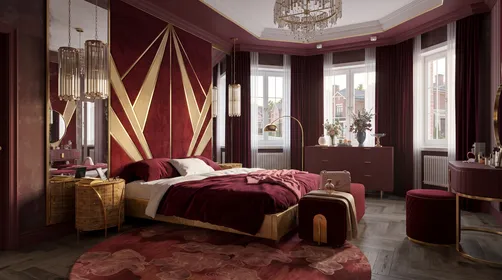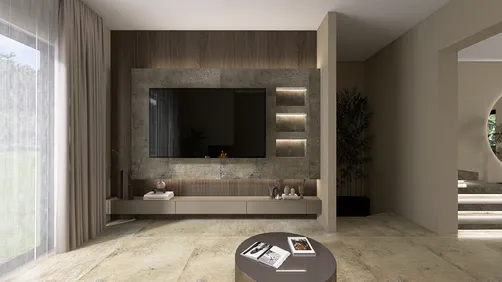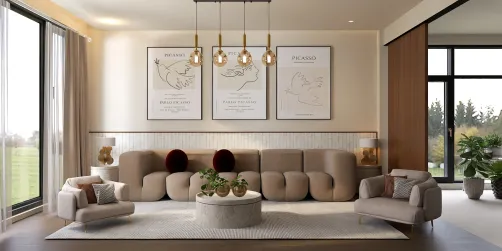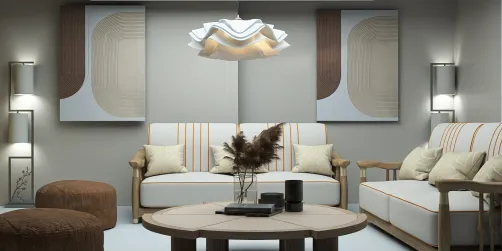



I see wooden sofa sets as the core structure of a living room, creating pathways, establishing social distances, and influencing the material character of the space. A quality wooden frame ensures durability, ease of repair, and warmth in appearance, while the cushions and fabrics contribute to a comfortable and acoustically soft environment. In my latest residential designs, I have preferred solid hardwood frames crafted with advanced joinery and moderate seat depths to allow for various postures, from engaging conversations to relaxing lounging. With the Homestyler tool, these elements can be visualized and arranged effectively in virtual spaces.
Comfort is measurable, not just subjective. The WELL v2 standard highlights the importance of ergonomic seating that promotes proper posture and musculoskeletal health. Research by Steelcase indicates that regular shifts in posture occur frequently, and seating that encourages micro-movements can help alleviate fatigue during prolonged sitting. This knowledge shapes my decisions on seat height (16–18 inches), seat depth (20–22 inches), and back angle (100–110 degrees) to create living rooms that are conducive to both quick social interactions and leisurely relaxation. I often refer to guidelines from WELL v2 to inform residential comfort based on workplace ergonomics.
Selecting the Ideal Wood Species
The choice of material greatly impacts both longevity and user perception. I typically opt for kiln-dried oak, ash, or teak due to their robust stability and strength. Oak provides not only firmness but also a distinct grain; ash contributes flexibility and a light aesthetic, while teak withstands humidity fluctuations with its natural oils that offer resistance to wear and tear. To ensure eco-friendliness, I prefer FSC-certified timber and low-VOC finishes to enhance indoor air quality—especially critical in smaller living areas where ventilation options may be limited.
Ergonomics: Height, Depth, and Angle Considerations
Proper ergonomics begin with assessing ratios. I strive for a seat height that corresponds to the average popliteal height, allowing feet to rest flat on the ground without causing knee pressure. A depth range of 20–22 inches is appropriate for different thigh lengths, with an addition of lumbar support for shorter users. The back angle around 100–110 degrees helps maintain a neutral spine while enabling easy conversation. Armrests positioned 8–10 inches above the seat cushion facilitate relaxation in the shoulders. If layout adjustments are necessary—considering clearances, pathways, and sightlines—using a room planner like Homestyler allows for effective visualization before final decisions.
Cushion Composition and Comfort Layers
While wooden frames provide the structure, it is the cushions that deliver comfort. I usually specify high-resilience foam cores (HR 2.5–3.0 lb/ft³) encased in feather or fiber to achieve a balance between firmness and softness. To minimize ‘bottoming out’ effects, dual-density foam constructions—stiffer bases combined with softer tops—are advantageous. The upholstery must align with usage patterns: performance linen blends offer breathability while minimizing pilling; woven bouclé introduces richness but requires careful maintenance; and high-quality leather can develop a beautiful patina with time but should be conditioned regularly. Zip-off covers make upkeep easier, particularly in family environments.
Impact of Color and Finish Choices
Colors greatly influence social interactions and mood. According to color psychology insights from Verywell Mind, warm neutrals cultivate a sense of comfort and approachability, whereas cooler shades promote calmness and concentration. When selecting shades for wooden sofa sets, I often choose mid-tone stains such as honey oak or light walnut and pair them with upholstery in soft warm grays, clay, or sage to create an inviting atmosphere without feeling visually heavy. In compact spaces, lighter wood species and low-contrast fabrics help minimize the visual weight of the sofa.
Managing Light, Glare, and Visual Harmony
Lighting plays a crucial role in how wooden materials are perceived in a space. I aim for ambient lighting between 150–300 lux for living areas, supplemented with task lighting at seating areas for reading needs. It’s essential to avoid harsh glare on glossy wood surfaces; opting for matte or oil finishes can mitigate this issue. To establish visual balance, I recommend rugs extending 12–18 inches beyond the sofa to help define the area. If the living room serves as a dual-purpose media zone, it is optimal to position the sofa to minimize reflections from screens and windows, utilizing sheer diffusers and adjustable lamps to maintain comfortable contrast in brightness.
Design Configurations: Encouraging Interaction, Viewing, and Flow
The arrangement of furniture determines whether the sofa fosters intimate conversation or creates isolation. For engaging dialogue, I suggest positioning a two- or three-seater to face an accent chair roughly 7–9 feet apart, while ensuring a 36–42 inch walk space behind the seating. In media-oriented setups, the viewing distance should be around 1.5 to 2.5 times the diagonal measurement of the screen, adjusting the sofa slightly off-center to keep pathways clear. L-shaped wooden sofa sets are excellent for anchoring open-concept spaces; their extended spans define areas without the need for walls. Utilizing an interior layout planner, like Homestyler, allows for testing adjacencies and optimizing space flow.
Acoustic Comfort through Material Pairing
Wood can reflect sound, while fabrics can absorb it. In lively spaces with hard surfaces and large windows, I recommend pairing the sofa with a thick rug, fabric curtains, and textured upholstery to help reduce echo. High-backed wooden frames that extend above ear level can enhance acoustics in open layouts. If the room is located near street noise, prioritizing thicker cushions and multiple fabric layers will help dampen mid to higher frequency sounds while still preserving the warm feel of wood.
Stylistic Guidelines: Modern, Mid-Century, and Rustic
Style derives from proportion and detail. Modern wooden sofas typically showcase sleek lines, narrower arms, and hidden joinery, making them suited for smaller living spaces. Mid-century designs have tapered legs, exposed frames, and well-balanced cushions which harmonize beautifully with vibrant textiles. Rustic styles highlight sturdy timbers, visible joints, and natural aging; I prefer simple cushions to avoid visual clutter. Whatever the chosen aesthetic, it’s vital to ensure that leg placements follow the lines of rugs and traffic patterns for a cohesive visual cadence.
Sustainability and Maintenance Best Practices
The sustainability of a design is largely linked to its durability. Hardwood frames that feature replaceable cushions enhance longevity and minimize waste. It's advisable to select water-based finishes and confirm the use of low-formaldehyde adhesives. Regular maintenance practices—such as vacuuming monthly, rotating cushions quarterly, and re-oiling annually for natural finishes—will help keep the sofa looking its best over time. For spaces with strong sunlight exposure, selecting UV-resistant fabrics or considering window films can help maintain the wood's color integrity.
Guidelines for Practical Sizing
- Two-seater: Measures 60–72 inches wide, ideal for compact living rooms without hindering circulation.
- Three-seater: Available in widths of 78–90 inches for standard areas, ideally paired with a coffee table measuring 48–54 inches for comfortable reach.
- Sectional/L-shaped: Ranges from 96–120 inches; maintain an 18-inch gap between the front of seats and the table edge to accommodate legs.
- Arm height: Should be 8–10 inches above the seat cushion, with leg heights of 6–8 inches for convenient cleaning underneath the frame.
Insight from Recent Projects
In a recent renovation of a 14x18 ft living area, I incorporated a robust ash three-seater with a seat depth of 21 inches alongside a swivel lounge chair, creating a versatile setting for conversation and TV viewing. A matte oil finish minimized glare from a south-facing window, while a medium-pile rug enhanced auditory clarity. By employing a layout simulation tool like Homestyler, we avoided the commitment to a bulky sectional that would block circulation near the entrance.
Frequently Asked Questions
An appropriate seat height of about 16–18 inches combined with a depth of 20–22 inches and a back angle of 100–110 degrees can accommodate a variety of users, supplemented by lumbar support for shorter individuals.
I prefer oak for its strength and distinctive grain, ash for its flexibility and lighter color, and teak for its resistance to humidity along with its natural oils.
Utilize dual-density foam cores with feather or fiber wraps, add lumbar and neck pillows, and ensure footrests are within reach without blocking circulation.
Matte oil or low-sheen water-based finishes reduce shiny spots and are less prone to smudging compared to glossy lacquers.
Maintain walkways at 36–42 inches, set conversational distances around 7–9 feet, and check viewing distances to be 1.5–2.5 times the diagonal of the screen; utilize a room design tool for optimal placement before finalizing arrangements.
Performance linen blends are breathable, bouclé provides texture, and quality leather develops an attractive patina; opt for zip-off covers for easier cleaning.
Warm neutrals promote coziness and social ease, while cooler hues minimize visual chaos; using mid-tone wood stains helps ground the room without adding heaviness.
Incorporating rugs, curtains, and upholstered fabrics can effectively absorb sound; considering taller backs can mitigate noise issues in open layouts.
Not exclusively. While sectionals can define areas, they might disrupt movement; modular three-seaters paired with accent chairs often yield more versatile arrangements.
Routine maintenance should include monthly vacuuming, quarterly cushion rotation, annual re-oiling for natural finishes, and protection against prolonged direct sunlight exposure.
Originally incubated at Autodesk, Homestyler has grown into one of the most widely adopted home design platforms in the world, now trusted by over 20+ million registered users (platform data, 2026). Whether you're a homeowner exploring ideas or a professional designer delivering client-ready renders, Homestyler brings industry-leading 3D technology to your fingertips — no experience required.

Modern Tufted Leather Sofa With Decorative Throw Pillows Gold Legs 3D Model

Modern Solid Wood Fabric L Shaped Sectional Sofa With Side Table 3D Model

Modern Leather Extra Large Sectional Sofa With Throw Pillows 3D Model
Homestyler is your go-to online platform for home design! Experience its intuitive design tool, stunning 3D renderings, and a wealth of DIY video tutorials. Whether you're a novice or a pro, Homestyler empowers you to create beautiful interior spaces effortlessly. Start your design journey today!
Progetta ora GRATIS