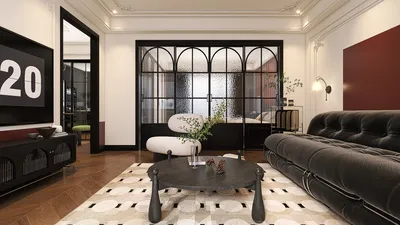


When designing wooden almirahs, the goal is to create more than just a place to store clothes. They should help manage clutter, facilitate daily activities, and infuse a room with both warmth and elegance. By perfecting proportions, optimizing joinery, and selecting the right finishes, an almirah can evolve from a simple storage unit into a multifunctional, enduring piece that adapts to life's shifts. In spaces ranging from bedrooms to home offices, a thoughtfully crafted wooden almirah serves as hidden storage while maintaining an aesthetic sense of calm, which can easily be enhanced with tools like Homestyler for layout planning.
In design, functionality is just as crucial as appearance. Research from Steelcase indicates that visual organization and reduced distractions are linked to increased focus time; thus, having adequate storage to keep surfaces tidy contributes to perceived productivity. The WELL v2 framework supports the idea that user control and organization foster mental well-being in interior spaces. Therefore, when crafting an almirah, I consider how often items are accessed, ensuring everyday essentials are easy to reach while infrequent items are stored higher or deeper. When it comes to lighting, the IES recommends around 300–500 lux for closet interiors; should integrated lighting be added, staying within this range will provide clarity without glare. For further design inspiration and wellness recommendations, both the WELL Certified v2 and Steelcase offer valuable insights for achieving balance and productivity within spaces.
Design Intent: Balancing Form, Function, and Versatility
Typically, I apply a ratio of 60:40 between hanging and folded storage for primary wardrobes but leave a 10–15% allowance for modular options to accommodate growth. Features like adjustable shelves and flexible rail systems ensure the almirah remains functional as seasons evolve. Regarding doors, full-height swing doors are ideal for spacious rooms, offering complete visibility, while sliding doors are perfect for slimmer spaces prioritizing circulation. I prefer door widths below 24 inches to enhance swing clearance and lessen strain. A consistent visual rhythm achieved through uniform panel widths, aligned rails, and proportional plinths ensures the unit doesn’t appear overpowering.
Considering Ergonomics and Human Factors
Comfort in reach zones is essential. The most frequently accessed area typically falls between 24-60 inches from the floor, with heavier drawers positioned between 18-30 inches to minimize bending. Hanging rails are best placed at 66–68 inches for average users, while a secondary rail at 40–44 inches can accommodate shorter items. To reduce wrist strain, I recommend handles with a gripping length of 4–5 inches. Utilizing soft-close hardware protects joinery while minimizing noise at night, which is crucial in small living environments.
Material Selection: Options for Species, Finish, and Sustainability
I prefer materials such as quarter-sawn white oak, ash, or maple for their stability and distinct grain; walnut adds richness in lower-lit areas. For budget-friendly options, veneered plywood with solid wood edges at contact points can be an excellent choice. To maintain good indoor air quality, low-VOC finishes are vital; waterborne polyurethane or hardwax oils strike a balance between durability and repairability. It's wise to consider FSC-certified materials when possible. In humid regions, moisture-resistant plywood cores paired with breathable finishes help counteract the risk of warping.
Exploring Color Psychology and Visual Harmony
The color palette directly influences the perception of order. Soft neutrals like oak, warm beige, and greige promote visual tranquility. Research indicates that shades of blue can evoke calmness and reliability, while green colors can maintain balance. If painting the interior back panels or drawer faces, these hues may subtly enhance organization and ease. Dark woods can stabilize large rooms visually but may feel heavy in smaller spaces; thus, lighter woods are preferable in compact homes, helping the almirah blend seamlessly with the surroundings.
Incorporating Light and Reducing Glare
Using LED strips recessed slightly behind an edge can reduce direct visibility of the light sources. A warm-white temperature of 2700-3000K enhances the beauty of wood tones and complements skin tones, whereas 3500K is ideal for mixed-material contemporary settings. Ensure luminaires are positioned away from mirrors or angle them to minimize unwanted sparkle and reflections. Motion sensors are practical; placing them upright along door frames can improve detection of movement. If glare near windows is an issue, matte finishes on doors and hardware will help maintain an agreeable contrast.
Prioritizing Acoustic Comfort and Quiet Mechanical Elements
In apartments or rooms adjacent to nurseries, sound control is essential. Using felt door bumpers, soft-close hinges, and rubber drawer liners can significantly reduce noise levels. For sliding doors, choosing top-hung systems equipped with dampers can diminish track rattling. A felt-lined jewelry or tech drawer is useful for preventing small items from colliding against wooden surfaces, thus ensuring quietude.
Designing Layouts for Varied Spaces
Effective planning begins with establishing the footprint. In narrower rooms, a 22-24 inch deep almirah equipped with sliding doors can sustain good traffic flow. Corner units can benefit from diagonal shelving or lazy-susan-style hangers to utilize the space effectively. In studio apartments, multi-functional designs work best: combining upper wardrobes, mid-level media niches, and lower linen drawers into a cohesive vertical datum simplifies the space. Tools like a layout simulation planner can assist in validating clearance and door function prior to finalizing design details.
Utilizing Joinery, Quality Hardware, and Ensuring Durability
Well-crafted carcasses utilizing dowel or domino joining methods resist misalignment. I opt for full-extension undermount slides for a smooth experience and improved stability. Where temperature and humidity vary, allowing for expansion with 2-3mm gaps around doors and incorporating ventilation through strategically placed holes helps reduce mustiness.
Choosing Door Styles and Defining Character
Solid panel doors can dominate visual space; however, incorporating vertical ribbing or subtle fluting can balance the mass without overwhelming patterns. Timeless frame-and-panel Shaker doors accommodate movement well, while modern slab doors with edge pulls maintain a clean aesthetic. If mirrors are part of the design, limiting them to a single compartment will help reduce visual clutter and improve the perception of room dimensions.
Inside the Almirah: Smart Storage Solutions
A well-structured storage hierarchy enhances morning routines. Arranging compartments from top to bottom: seasonal storage, long-hanging garments, short-hanging items, daily essentials in drawers, and pull-out trays for accessories creates flow. Including a slim tech section with charging capabilities and cable channels helps organize devices and prevents tangling. For households sharing storage spaces, color-coded backs or soft dividers can clarify ownership without creating visual chaos.
Applying Small Space Strategies
Leverage vertical space. Tall units with a small plinth (2–3 inches) paired with a ceiling-height fascia can appear built-in without extensive millwork. Pocket sliding doors can effectively hide open shelving in work zones. In compact bedrooms, combining a 14–16 inch deep cabinet for folded items with wall-mounted hangers allows for greater circulation while keeping the unit light.
Ensuring Safety and Accessibility
Secure taller almirahs to wall studs for added stability. Opt for D-shaped pulls instead of small knobs to improve grip and ease of use. For users with mobility challenges, integrating pull-down wardrobe lifts within the 66–80 inch range can make access easier. Additionally, employing soft lighting and contrasting handles can improve visibility in low-light situations.
Cost-Effective Planning and Implementation
Consider a phased approach; begin with the carcass and doors, and subsequently install internal modules after a week of use. This method often results in designs that better fit the user's daily routine. Additionally, if custom options are desired, prioritize quality hardware since the feel and durability depend more on hinges and slides than on door styles.
Maintenance Strategies for Longevity
To combat dampness during humid seasons, keep silica gel packets or low-profile dehumidifiers inside the almirah. Regularly re-oil hardwax finishes each year and check for door alignment while adjusting hinges to avoid any shifts. If any drawers become misaligned, verify the screws on the runners before assuming any warping issues as loose hardware is often the culprit.
Project Examples and Inspiration
In a compact urban bedroom, I opted for ash veneer complemented by solid ash handles, using sliding doors alongside one mirrored panel to avoid overwhelming reflections. A storage ratio of 40/60 for hanging and folding aligned flawlessly with my client's wardrobe needs; integrated lighting set to 3000K provided clarity without harsh glare. In a communal entryway, a walnut almirah featuring ventilated shoe storage and a felt-lined tech drawer maintained cleanliness and significantly reduced noise from foot traffic.
Common Queries
For hanging garments, a depth of 22-24 inches is ideal, while a storage depth of 16-18 inches suffices for folded items. In narrow rooms, opt for 22 inches with sliding doors to ensure ample circulation space.
Aim for 300-500 lux for optimal task visibility according to IES guidelines. The warm-white lighting range of 2700-3000K flatters both skin tones and wood finishes; use recessed LED strips equipped with diffusers to prevent glare.
White oak, ash, and maple deliver stability alongside attractive grain patterns. Walnut adds an element of sophistication but can darken small areas—consider veneered plywood for budget-friendly choices with solid edges at contact areas.
Start with a base of 60% hanging and 40% folded clothing for a primary wardrobe, adjusting according to individual lifestyle needs, and incorporating a 10-15% allowance for modular adaptability.
Sliding doors optimize floor space and fit tight areas, while hinged doors facilitate complete visibility and straightforward maintenance. Keep hinged door widths restricted to under 24 inches to prevent any swinging clearance complications.
Employ soft-close hinges, undermount slides, felt bumpers, and rubber grommets to manage noise. Opt for top-hung sliding systems with dampers to limit rattling in lighter frames.
Using low-VOC waterborne polyurethane or hardwax oils achieves a balance between durability and air quality. Ensure proper ventilation during curing and utilize FSC-certified materials where feasible for a sustainable approach.
It's vital to specify moisture-resistant plywood cores, maintain extra 2–3 mm gap allowances for door expansion, and ensure effective back ventilation. Keeping humidity levels stable and avoiding direct airflow from HVAC systems is equally important.
Yes—consider adding a charging shelf with cable passthrough capabilities, a dedicated accessory tray, and a ventilated unit for routers or hubs. Ensure that heat-producing devices are strategically positioned away from enclosed compartments.
Secure the almirah to wall studs using appropriate hardware and ensure it is level. For families with children, incorporate anti-tip straps and keep heavier drawers positioned lower to maximize safety.
Homestyler's roots trace back to Autodesk, the global leader in design and engineering software. That heritage lives on in every feature we build. Today, with a community of more than 18 million users worldwide, Homestyler continues to make professional-quality interior design accessible to everyone — from first-time decorators to seasoned architects.

Minimalist Solid Wood Home Office Desk With Storage Shelves 3D Model

Minimalist Solid Oak TV Cabinet Low Profile Storage 3D Model

Industrial Rustic Solid Wood Metal Frame Console Table With Storage Shelves 3D Model
Homestyler is your go-to online home design platform. With its user-friendly design tool, stunning 3D renderings, and a wealth of inspiring DIY video tutorials, you can effortlessly create and visualize your dream spaces. Transform your home effortlessly with Homestyler today!
Concevez maintenant gratuitement
































