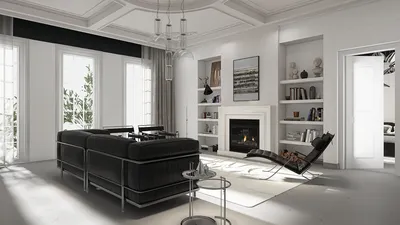


A recent client expressed the desire for a unique ‘sunset room’ in their beach condo, a space specifically designed for enjoying sunsets, complete with blackout curtains for leisurely daytime naps. Initially, I found it amusing, but this unconventional wish highlighted the importance of creative design within confined spaces. In fact, small oceanfront condos challenge us to focus on maximizing views and traffic flow, bringing me the greatest joy: working within tight constraints to achieve significant results. In this article, I will outline five effective design inspirations tailored for a three-bedroom oceanfront apartment in Myrtle Beach, incorporating real project experiences and invaluable lessons learned over time.
Enhance views with an open-concept living and dining area
I consistently advocate for the elimination of non-structural barriers that obstruct views of the ocean. Merging living and dining spaces creates an expansive corridor for viewing, giving a sense of openness and allowing natural light to illuminate deeper into the layout. The key challenge is to ensure sound privacy for the bedrooms, so I suggest installing sound-proof doors while creating distinct zones with elements like rugs, pendant lighting, and a sleek console table to subtly define the dining space. Utilizing tools like Homestyler can also help visualize your open-layout design.
save pin
Incorporate built-in storage to manage coastal clutter
With the salt air and sandy towels commonly found in beach settings, effective storage solutions become essential. Customized built-ins—such as benches with hidden storage, recesses for wardrobes in the master suite, and slender pantries—help maintain organization without sacrificing floor space. Although they require a higher initial investment and longer lead time, the advantages in durability and aesthetic streamlining are considerable.
save pin
Select durable materials that embody a coastal feel
Choosing engineered hardwood or high-quality porcelain tiles that mimic wood grants you the inviting coastal vibe without the upkeep challenges presented by real wood in salty environments. I often emphasize the importance of waterproofing at balcony thresholds and using marine-grade hardware in wet areas. While this may slightly compromise on the authenticity of wood grain texture, the long-term appearance of your floors will remain impeccable.
save pin
Layer lighting with reflective elements to maximize brightness
Oceanfront units benefit from ample daytime light, but creating an inviting evening atmosphere is equally important. I recommend integrating recessed lighting, striking pendant fixtures over the dining area, and wall washers to emphasize artwork or architectural features. Positioning mirrors facing the balcony and selecting light-toned cabinetry can amplify daylight throughout the space. However, exercise caution as too many reflective surfaces can create glare during bright days; balance them with matte fabrics and shaded lamps.
save pin
Create adaptable sleeping areas that cater to guests and rentals
Having three bedrooms is ideal for family vacations or short-term renting. I advise incorporating versatile furnishings: such as a daybed with a trundle in one room and a desk that can transform into a vanity in another, along with blackout curtains throughout. However, it's crucial to consider separate HVAC controls for each room, as guests may have varying comfort preferences that can lead to disagreements if not properly managed.
Are you exploring layout variations? I often utilize an intuitive room planner like Homestyler to visualize multiple designs and evaluate furniture placements before finalizing any built-ins.
save pin
Key Recommendations:
When budgeting, focus on elements that are frequently visible and used, such as floors, sofas, and balcony doors. Gradually layer in accessories and artwork. Invest in high-quality materials for moisture-prone areas, while opting for budget-friendly decorative finishes. For rapid floor plan revisions, consider using an online floor plan creator to visualize alternatives and avoid expensive mid-project changes.
save pin
Frequently Asked Questions
Q1: What’s the most effective floor plan for optimizing ocean views in a three-bedroom condo?
A1: An open-plan living and dining area oriented toward the balcony, with bedrooms positioned away from direct sightlines, is ideal; if feasible, place the primary bedroom to offer direct access to the balcony.
Q2: What types of flooring perform best in oceanfront properties?
A2: High-quality porcelain tile or engineered hardwood with appropriate finishes and waterproof thresholds withstand salt and humidity while preserving a coastal aesthetic.
Q3: How can I limit sand from entering the condo?
A3: Establish a dedicated entry zone featuring built-in bench storage and a washable rug by the entrance to trap sand; implementing a shoe-free policy in main living areas can also help.
Q4: Are blackout curtains essential in oceanfront bedrooms?
A4: Absolutely, especially for guests who may need to sleep during daylight or to mitigate strong sunset brightness; choose mildew-resistant fabrics suitable for coastal locations.
Q5: What HVAC considerations should be made for rental properties?
A5: Providing zoning or separate controls allows different occupants to customize their comfort, while regular maintenance is crucial to prevent humidity-related issues in coastal settings.
Q6: How can I effectively balance aesthetics with durability in coastal designs?
A6: Utilize durable foundational materials like tile, marine-grade metals, and moisture-resistant paints; enhance coastal charm through textiles such as rugs, cushions, and easily replaceable decor.
Q7: Is it possible to conduct quick layout tests before engaging contractors?
A7: Certainly—using a 3D floor planner like Homestyler enables you to experiment with furniture arrangements and sightlines, helping you avoid costly adjustments later on.
Q8: Where can I access authoritative information on coastal building materials?
A8: Reliable guidelines on materials and flood resilience can be found through the National Institute of Building Sciences and FEMA. Their publications offer detailed advice on coastal construction practices (https://www.fema.gov).
save pin
Discover Homestyler, the ultimate online home design platform! With its user-friendly design tool, stunning 3D rendering, diverse design projects, and helpful DIY video tutorials, you can effortlessly create your dream space. Perfect for anyone looking to transform their home with ease and creativity!
Design Now for FREE
































