


I have meticulously designed and assessed numerous quad hotel rooms for families, small groups, and business travelers seeking comfort without compromise. The ideal quad room effectively combines spacious sleeping arrangements with clear spatial organization, sound privacy, and user-friendly storage options. Research by Gensler indicates that 89% of travelers prioritize layouts that minimize obstacles and facilitate smooth movement, making shared spaces more comfortable. Moreover, studies from Steelcase suggest that well-structured communal environments can alleviate stress and reduce decision fatigue, highlighting the necessity for smart zoning and a clear visual hierarchy in accommodations for multiple guests, particularly when using tools like Homestyler for layout design.
The most crucial aspect is ensuring quality sleep. The WELL v2 Light concept advocates for appropriately calibrated lighting and minimized glare to enhance circadian rhythms. According to IES guidelines, hotel room illumination should generally fall within the 100–200 lux range for ambient light, escalating to 300–500 lux for task lighting—these standards significantly influence guests' comfort levels and readiness for rest. Coupled with insights from Verywell Mind on color psychology, utilizing soft, cool shades like blues and greens can lower arousal, assisting guests in unwinding, while warm accents keep the environment inviting and sociable.
What Makes a Quad Room Exceptional
Accommodating four people doesn’t have to result in cramped spaces. The essentials include either two queen or full-size beds, or one king-sized bed accompanied by a sleeper sofa, along with effective storage solutions such as closets and suitcase compartments, diverse lighting options, and sound insulation. Implementing a micro-zoned layout—distinguishing sleep, prep, and lounge/work areas—reduces movement conflicts. When designing the layout, I ensure at least a 36-inch walkway around the beds and a 42-inch clearance to the bathroom door; this ensures that luggage or late-night activities don't lead to disturbances. Utilizing a room layout tool, like Homestyler, helps visualize bed placements, luggage storage, and sightlines, benefiting both planners and accommodation operators.
Strategic Space Planning: Beds, Circulation, and Storage
The configuration of beds significantly impacts the atmosphere and privacy levels within the room. I position beds to eliminate direct sightlines from the door and offset the second bed to decrease visibility across the room. Nightstands should contain dual outlets and USB-C ports, with effective wire management to avoid clutter. Anticipate one suitcase for each guest, requiring approximately 10–12 square feet per 22–24" carry-on if they are stored upright. Incorporating bench niches or under-bed drawers enhances floor space. Closet rods should be positioned at 60–66 inches with an additional lower rod to optimize vertical storage. A gear wall with hooks near the entry can keep shoes and bags organized and out of walkways.
Comfortable Lighting and Circadian Support
Utilizing layered lighting can prevent visual discomfort around bedtime. Ambient lighting should be maintained at about 150–200 lux using ceiling or cove installations; task lighting at each bed should reach 300–500 lux, featuring warm 2700–3000K lamps with low-profile shades; the vanity area should have 500 lux with upright sconces to eliminate facial shadows; and night lighting should remain under 10 lux with 2200–2400K to avoid disrupting melatonin production. Adding blackout shades with side channels and specifying dim-to-warm fixtures in lounging areas helps signal the transition to sleep.
Enhancing Acoustic Privacy
Quad rooms inherently face sound amplification due to multiple occupants. To mitigate this, employing soft finishes such as tufted carpet tiles, thick rugs, upholstered headboards, and fabric wall panels can reduce sound reverberation. Ensuring the corridor door is well-sealed and utilizing quiet plumbing fixtures helps prevent noise disturbances. It's advantageous to position the lounge/work area as far as possible from the second bed, potentially employing an open-frame screen to create a visual barrier without obstructing airflow.
Color and Material Design Choices
Establishing a neutral base with calming cool tones for sleeping areas and vibrant, warm accents in lounge spaces creates harmony within a room. The calming effects of blue, as noted by Verywell Mind, align perfectly with hospitality objectives; I opt for soft blue-gray for headboard walls, accented with warm terracotta or brass tones in social areas to promote a welcoming atmosphere. It is crucial to select materials that are tactile yet durable, featuring high Martindale rub counts on upholstery, moisture-resistant laminates, and low-VOC paints. Choose sustainable options—FSC-certified wood and carpets made from recycled materials to enhance indoor air quality and credibility.
Prioritizing Ergonomics for Four Guests
Addressing human factors can significantly minimize friction. Nightstands should be approximately 24–26 inches high for easy access, with bed heights around 22–24 inches for comfortable entry and exit, and vanity stools at 18 inches ensuring proper knee clearance. Including at least one armed chair can facilitate safe standing for elderly guests. Should there be a sleeper sofa, it’s best to opt for a tri-fold foam design with minimal bar-feel while ensuring a clearance of 36 inches when unfolded.
Intelligent Zoning: Sleep, Prep, Lounge
Effective quad room designs acknowledge varying guest routines. Early risers can use the vanity area quietly—incorporating pocket doors and high-CRI task lights for grooming; the lounge/work area should be brighter with additional charging points, while the sleep zone should maintain a cooler, darker, and visually tranquil ambiance. If experimenting with bed separations or sofa-bed configurations, employing an interior layout planner like Homestyler can help visualize scenarios and avert costly errors.
Efficiency in Bathroom and Vanity Spaces
Shared bathrooms often create traffic jams. Whenever feasible, separate grooming areas from bathing facilities to enhance flow. Incorporating anti-fog mirrors, vertical lighting for facial clarity, and distributed shelving for guest toiletries is beneficial. Adequate hooks should be provided for robes, towels, and bags to ensure everything has its designated space. Motion-sensing night lights can enhance safety during nighttime restroom trips.
Technological Integration and Power Outlets
With four guests, managing multiple electronic devices is essential. Each bed should have access to two outlets and USB ports, additional multi-port chargers at desks, and high-capacity charging stations near entry points. Integrated cable management underneath desks can reduce tangling issues. Providing streaming-enabled TVs, adjustable Wi-Fi access, and a compact white-noise machine can help accommodate various sleeping preferences.
Common Quad Room Configurations for Layout Planning
1) Two queens with a lounge chair: this setup works well for families; placing the chair strategically in a window alcove preserves circulation space. 2) One king bed paired with a sleeper sofa: ideal for groups with varying sleep schedules; ensure the sofa opens away from bathroom paths. 3) Bunk beds with a queen: suitable for adventure hotels; maintaining ladder angles at 75° and ensuring guardrails are at least 5 inches high can enhance safety for children. A room design visualization tool like Homestyler can confirm sightlines and clearances before making decisions.
Wellness Features That Enhance Experience
Small details can yield significant comfort improvements: adjustable thermostats, fresh air vents, hypoallergenic bedding, water stations, and dim-to-warm lamps contribute to a positive stay. Providing scent-neutral cleaning products and a small tea or coffee station can enhance guest satisfaction. A simple stirrup-style luggage bench can alleviate strain during unpacking.
Budget-Conscious Design Choices
Investing in quality mattresses, blackout curtains, soundproofing measures, and layered lighting systems is crucial. Utilize durable laminates instead of solid wood cabinetry and consider modular headboards that can adapt to changing layouts. The return on investment is clear: fewer complaints, improved sleep quality, and higher online ratings for multi-guest accommodations.
Key References for Standards and Research
For comprehensive insights into guest comfort and spatial standards, Gensler’s research library and the WELL v2 framework offer substantial guidance and evidence-based practices.
FAQs
I typically aim for room dimensions of 300–380 square feet for two queen beds and 340–420 square feet for a king bed plus a sleeper sofa, ensuring minimum walkways of 36 inches and 42 inches near the bathroom for effective circulation.
Lighting should be maintained at ambient levels of around 150–200 lux, with task lighting at 300–500 lux, and vanity settings at 500 lux; night lighting should remain under 10 lux. Using warmer color temperatures (2700–3000K) close to the beds aids in relaxation.
Incorporate upholstered headboards, area rugs, heavy drapes, and ensure corridor doors are sealed shut. Aim to separate the lounge/work zones from the sleeping areas and steer clear of placing minifridges near beds to enhance quietness.
Yes, adhering to proper guardrail heights (at least 5 inches) and ensuring 75° ladder angles with anti-slip treads and adequate ceiling clearance will enhance safety for bunk beds.
For storage solutions, consider under-bed drawers, storage benches with compartments, dual-rod closets, and a gear wall near the entry. Planning for one carry-on per guest with additional shared hanging spaces is advisable.
Using subdued blues and greens in sleep areas, accented with neutral walls and warm colors in social zones, strikes a balance that fosters tranquility without appearing sterile or cold.
Ensure bedside features include USB-C and standard outlets, a casting-enabled TV, organized cable management beneath desks, and a compact white-noise generator for those sensitive to sound while sleeping.
Investing in high-quality mattresses, blackout shades, effective acoustic sealing, and versatile layered lighting systems pay dividends through enhanced guest ratings and reduced complaints.
Delineate functions within the bathroom; placing an external vanity can alleviate morning congestion, especially with multiple guests sharing a room.
Begin with ensuring clear circulation paths, experiment with different bed/sofa layouts, and position lounge/work areas away from sleep spaces. A layout simulation tool like Homestyler can be invaluable for testing scenarios pre-construction.
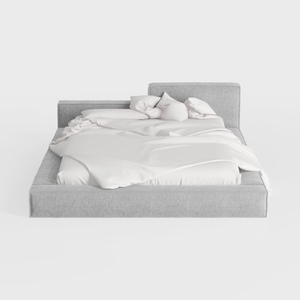

Lexicon Alford Chenille Upholstery California King
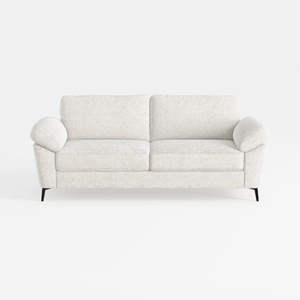
sofa_843927-101 Stories

Bookshelf with Storage Bin, 3-Cube Storage
Discover the creative potential of Homestyler, your go-to模型无法生成答案,请稍后重试~
Concevez maintenant gratuitement
































