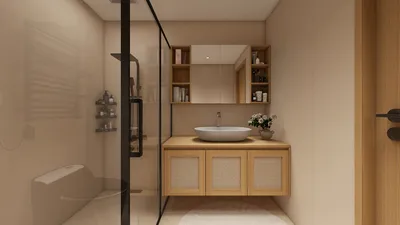


When designing pooja room wardrobes, I treat them with both honor and practicality, ensuring they serve as a sacred space for rituals while performing seamlessly every day. The aim is to achieve a serene storage solution that enables a fluid ritual process, allowing easy access to diyas, incense, and puja thalis without visual clutter. Utilizing a tool like Homestyler can help visualize these spaces effectively.
In these areas, thoughtful design choices greatly enhance comfort and functionality. According to WELL v2 guidelines, the ideal ambient lighting should range from 200 to 300 lux, using warmer color temperatures between 2700 and 3000K to promote a calming environment, while minimizing glare from reflective surfaces like glass and brass. Research from Steelcase highlights that clear visuals lessen cognitive strain in focused environments; thus, employing compartmentalized storage and keeping surfaces uncluttered ensures that the shrine space is both visually and mentally refreshing. I customize shelving heights to accommodate frequently used items with diya trays positioned at eye level, secure drawers for valuable objects, and integrated cable management for discreet lighting solutions.
Proper proportions are essential. In smaller homes, I typically designate 18 to 24 inches in depth for wardrobe modules to ensure ample space for larger puja thalis and framed pictures without congestion. The layout is optimized by creating a simple ritual triangle: storage to one side, the shrine at the center, and a seat or kneeling mat directly opposite. To experiment with different configurations, consider utilizing an interior layout planner tool like Homestyler to effectively manage clearances and sightlines.
Material + Finish Strategy
Selecting the right materials is key to blending tradition, safety, and maintenance. I prefer solid wood or high-quality veneer for a warm touch, accompanied by moisture-resistant frameworks since items like oil lamps and water offerings can introduce humidity. While brass accents are aesthetically pleasing, they can sometimes create distracting highlights; opting for matte or satin-finished hardware can help mitigate glare, in line with IES guidelines to restrict strong reflections in smaller task zones.
For interior setups, I recommend laminated shelves with protected edges to handle ash and oil marks effectively. If incense usage is frequent, choose finishes with lower porosity to minimize staining. For setups that include a ghee lamp, using fire-rated back panels and metal drip trays helps to safeguard the surfaces. Soft-close hinges are essential for maintaining quiet during morning or evening rituals; the overall sound environment is often more significant than we might think, and reducing mechanical noise facilitates a tranquil setting.
Color Psychology for Devotional Calm
The color palette plays a critical role in establishing mood. According to color psychology explored by Verywell Mind, warm colors can evoke a welcoming and energizing atmosphere, while cooler hues promote tranquility. In pooja wardrobes, I gravitate towards earthy neutrals—gentle whites, soft ochres, and muted greens—complemented by natural wood textures. These colors serve to highlight the shrine instead of overshadowing the storage. In instances where bold temple reds or golds are used, it's advisable to limit them to the altar area and drawer handles, keeping the wardrobe itself subtle and understated. Soft white or warm gray back panels enhance the visibility of idols when illuminated by candles.
Ergonomics, Safety, and Ritual Flow
Human factors influence shelf placement significantly. I position frequently accessed items between 34 to 54 inches from the floor to avoid excessive bending or reaching, storing heavier brassware beneath waist height. Drawers are ideally set at heights from 18 to 24 inches, perfect for incense and match storage. To prevent cable tangling, I incorporate channels and grommets inside the wardrobe. A specific, ventilated section for incense and camphor keeps these scents away from textiles, with perforated doors facilitating aroma diffusion while ensuring safety.
Placement of diyas should be on non-combustible surfaces with a 6 to 8-inch clearance from doors to reduce the risk of contact. I also recommend keeping a discrete fire blanket or Class B/C extinguisher in a concealed lower compartment—ensuring quick accessibility while remaining out of sight. Hinged doors should open between 110 to 155 degrees to accommodate prayer movements, with alternatives like bi-folds or pocket doors used in tighter spaces to maintain smooth circulation.
Lighting Design: Layered, Warm, and Glare-Free
Incandescent lighting should be layered around both the shrine and wardrobe areas. I implement warm 2700–3000K LED strips within cabinets for optimal visibility, adjustable to 10–30% during rituals for a soft glow. Accent illumination on the idol niche (ideally 150-250 lux) can be installed through small downlights, designed to prevent direct visibility for comfort per IES glare control standards. Ensure pieces like reflective brass are positioned behind the light source to avoid glare issues.
Task lighting near the puja thali needs to maintain uniformity; using frosted diffusers and indirect cove lighting makes for comfortable luminosity. If natural daylight reaches the area, sheer fabrics or wooden lattice screens can soften contrast while preserving privacy.
Spatial Ratios and Visual Balance
A wardrobe should complement, not overshadow, the altar. I typically maintain storage volumes at about 60 to 70% of the shrine's visual mass, ensuring flush doors and minimal hardware to promote tranquility. Visual rhythm is achieved through evenly spaced panels and slight reveals (3-5 mm) that establish shadows without excessive detail. In narrow spaces, focusing on vertical arrangements over deep cabinets protects accessibility and maintains the altar's visual priority.
Sustainability and Maintenance
Opt for materials that effectively resist heat and residue. Durable laminates, responsibly sourced woods, and low-VOC finishes contribute to better indoor air quality. Implement removable metal trays beneath lamps for easier cleaning. If the wardrobe contains a compartment for fresh flowers, a hidden bin with a washable insert and ventilation will help manage humidity. Hardware composed of satin brass or bronze displays elegance as it ages, while powder-coated steel shelves remain stain-resistant.
Style Directions: Contemporary, Classic, and Transitional
Contemporary pooja wardrobes often embrace minimalism: smooth panels, concealed handles, and subtle wood tones adorned with a single decorative element. Classic styles may opt for intricately carved lattice doors and brass fittings, balancing ornate details with straightforward interior shelving to maintain order. Transitional style fuses clean lines with symbolic motifs, such as etched designs on frosted glass or slender brass framing around the niche.
Layout Scenarios and Smart Storage
In snug apartments, a vertical module alongside the altar with adjustable shelving allows for varying heights for tall kalash and smaller diya collections. For more spacious homes, dual wardrobes adjacent to a central niche maintain symmetry, incorporating a central drawer for puja thalis and side towers for seasonal decorations. If experimenting with layout, such as placing the wardrobe to one side of the kneeling mat, utilizing an interior layout planner can assist in checking clearances and door opening arcs, such as with Homestyler.
Acoustic Comfort
Morning chants resonate more deeply in serene environments. Incorporating soft-close mechanisms, felt pads beneath trays, and fabric-lined drawers significantly reduce incidental sounds. If the pooja space shares a wall with a louder area, a double-back panel with an air gap can diminish sound transmission. Additionally, using rugs or cork matting absorbs footfall noise while providing tactile warmth.
Integration with Technology
Clever cable management allows for discreet integration of small speakers for bhajans or timeliness with warm LED candles. Utilizing surge-protected power strips housed in the lower cabinet with ventilated panels prevents heat issues. Keeping technology hidden behind closed doors helps maintain the sanctity of the space.
Practical Checklist
• Depth: 18–24 inches for trays and framed images
• Daily-use shelf height: 34–54 inches
• Lighting: 200–300 lux ambient, 2700–3000K warm LEDs
• Hardware: soft-close, satin finishes to reduce glare
• Safety: non-flammable surfaces, concealed extinguisher
• Ventilation: perforated doors for incense storage
• Finish: low-VOC, moisture-resistant interiors
FAQ
I design storage spaces with a depth of 18–24 inches to comfortably accommodate puja thalis, incense holders, and framed images without hindering movement.
Warm 2700–3000K LED lights, with ambient settings around 200–300 lux, and dimmable strips in cabinets complemented by shielded accent lights on the niche ensure glare prevention as per IES guidance.
I utilize moisture-resistant materials, laminated shelves with edge treatment, and detachable metal trays beneath lamps—solid wood or veneer for warmth.
To simplify storage, I create clearly defined spaces: shallow drawers for incense and matches, mid-height shelving for daily essentials, a secure space for valuables, and cable management for tidiness.
I typically choose warm whites, muted ochres, and soft greens, preserving bolder reds and golds for the altar niche, aligning with color psychology's insights into fostering calm and focus.
Absolutely, perforated doors or side panels help dissipate the aromas and moisture from incense, ensuring better preservation of finishes and textures.
Position seating opposite the altar and consider bi-fold or pocket doors if space is constrained. Confirm door arcs and mat placement using a room layout tool like Homestyler.
For safety, ensure surfaces are non-flammable, maintaining a 6–8 inch distance from doors while employing drip trays, and store a small extinguisher or fire blanket in a concealed bottom compartment.
Disguising small speakers and LED candle controls behind cabinet doors while routing cables through grommets and using ventilated panels manages heat—maintaining the sacred space when closed.
To mitigate incidental noise, use soft-close hinges, lined drawers, rugs or cork flooring, and double-back panels with air gaps that dampen sound transmission.
Employing matte or satin finishes in brass or bronze minimizes reflections and controls the intensity of candlelight within the room.
Use tall, slender units to facilitate vertical stacking, testing door swings and spatial clearances with an interior layout planner for better circulation.


Homestyler is your go-to online home design platform! With its user-friendly design tool, stunning 3D renderings, and a plethora of DIY video tutorials, you can easily create, visualize, and perfect your home projects. Bring your ideas to life effortlessly!
Дизайн сейчас бесплатно
































