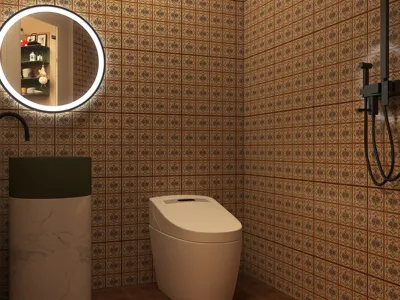


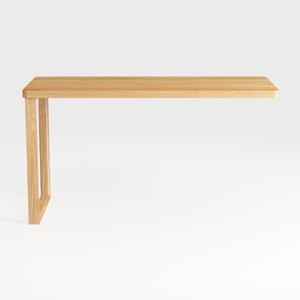
I appreciate compact designs that appear deliberate. A small vanity table without a mirror can create a serene, functional nook that your limited space craves—featuring organized storage, an uncluttered work surface, and minimal visual distraction. By eliminating the mirror, you unlock many possibilities: install a wall-mounted mirror, opt for a portable makeup mirror, or even forgo it entirely to enjoy a versatile area that accommodates grooming, writing, or laptop tasks. Homestyler provides tools to visualize these flexible setups.
Design decisions should always prioritize functionality. According to WELL v2 guidelines, achieving at least 300 lux for overall residential tasks and 500 lux for detailed grooming is crucial. This means that incorporating a table lamp or integrated LED solutions can significantly enhance the utility of a small vanity. Research by Steelcase indicates that adjustable lighting enhances comfort and reduces eye strain—especially important when a compact table serves both skincare and reading purposes. When it comes to colors, Verywell Mind suggests that soft neutrals and warm tones can diminish anxiety, helping a small vanity area to feel inviting rather than cramped. For optimizing layouts in small rooms, utilizing a room layout tool from Homestyler can help you find the right dimensions and circulation space.
In my design experiences with real apartments, a vanity without a mirror allows the wall to maintain an open appearance. A streamlined table positioned near a window with a clip-on task lamp transforms into a bright beauty station during the day and a writing desk come evening. Aim for a width of 28–32 inches to ensure adequate clearances (a minimum of 30 inches is recommended for passage), and ensure the chair is placed strategically so that knees do not obstruct drawers. A wall-mounted mirror positioned at 60–65 inches is suitable for most users; in shared spaces, consider implementing a pivoting mirror and a dimmable lamp to accommodate differing routines.
Key Principles for a Vanity Without a Mirror
• Emphasize lighting: aim for 500 lux on the grooming surface, opting for 2700–3000K for warmth, or 3500–4000K for a livelier feel. Shield light sources to minimize glare.
• Maintain tidy surfaces: a slender tabletop with rounded edges enhances accessibility and reduces visual heaviness.
• Fit the scale to the room: select shallow depths (12–16 inches) for narrow pathways, particularly near doorways.
• Organize storage: include drawers for daily essentials; utilize a tray or caddy for easy access; store larger items in a nearby cabinet to maintain a clutter-free surface.
• Implement a flexible mirror approach: be it a wall mirror, a folding tabletop mirror, or none at all—design the table to be visually appealing on its own.
Placement and Design Approaches
In confined bedrooms, position the vanity perpendicular to a window for the best indirect lighting while avoiding harsh glare. For spaces that function as living or studio areas, anchoring the piece against a wall with a slender wall sconce above works well. When using interior planning tools like Homestyler, a simple floor layout check can ensure proper clearances: target 36 inches for comfortable circulation, 30 inches as the minimum. Remember to account for the depth needed for seating—using an armless chair or compact stool can help reduce visual clutter and ease maneuverability.
Optimizing Lighting: Making It Functional
Lighting is key in distinguishing a decorative piece from a fully functional one. Following WELL v2 light standards, it’s beneficial to layer lighting: an ambient source for overall illumination of approximately 300 lux and a task lamp to boost brightness to around 500 lux when applying makeup or skincare products. Choose lamps with a high color rendering index (CRI) of 90+ for accurate color representation. Soften shadows with diffused light using shades or frosted lenses. If a mirror is added later, consider flanking the lighting at eye level to eliminate vertical shadows on the face.
Color Psychology and Material Tranquility
Small areas thrive with muted color schemes. Warm beiges, soft taupes, or gentle blush colors can lessen visual clutter and lower stress levels; insights from Verywell Mind emphasize that subtle neutral shades support a calming atmosphere. In terms of materials, opt for matte finishes to reduce glare, with light woods or powder-coated metals contributing thin, unobtrusive lines. Sustainability is vital: select FSC-certified wood or recycled metal and prefer low-VOC finishes to maintain a healthy indoor environment.
User Comfort: Ergonomics in Small Design
For seated activities, aim for a table height between 28–30 inches; pair this with a seat height of 17–19 inches. For added flexibility, consider a small adjustable stool. Ensure there is at least 24 inches of knee clearance in width and a minimum of 18 inches in depth under the vanity for comfort. Utilizing soft materials such as a small rug, fabric stools, or cork accents can diminish noise in harder surface areas, enhancing the tranquility of your personal space.
Smart Storage Solutions: Prioritizing Flow
Concentrate on having one shallow drawer for daily necessities—like brushes and makeup—and implement a modular insert to keep items from shifting. Use a lidded box or tray on the surface for two or three of your most frequently used items each morning. Reserve taller bottles for a nearby closet shelf to keep a streamlined vertical appearance. Utilize hooks beneath the table to hang a hairdryer in a heat-resistant pouch. If wires are necessary, route them along the back leg using adhesive clips to maintain a clean look.
Effective Design Variations
• Wall-mounted shelf desk: an ultra-slim model, ideal for micro apartments.
• Narrow console with a single drawer: classic and effortlessly styleable.
• Nesting vanity with a stool: effortlessly stores the stool underneath for space savings.
• Fold-down panel: transitions from a vanity to a shelf when not in use.
• Mobile cart with top tray: easily shifts based on natural light or changing activities.
Designing with Minimal Visual Load
Stick to a two-tone color scheme: combine light woods with satin metals, or matte white with natural linen. Introduce a singular vertical element—like a slim sconce or a dried branch—to create height without bulk. A compact, frameless tabletop mirror can vanish when the area is utilized for a laptop workstation. Remember that cable management is part of styling: hidden chargers within the drawer can declutter the visual experience, leaving just one braided cable exposed for convenience.
Emerging Trends for 2024–2025 in Small-Space Vanities
Compact, multi-functional furniture is trending: expect thin profiles, rounded corners, resilient laminates that replicate natural materials, and lamps with integrated USB-C ports. There's growing availability of soft technology such as dimmable, warm-spectrum LEDs and high-CRI bulbs for natural color rendering. Low-gloss surfaces not only offer a more premium appearance but also photograph well in tighter spaces, making them perfect for refreshing rental units.
• If face lighting is essential but a wall mirror is impractical, choose a pivoting task lamp placed at cheekbone level, angling the beam slightly off-axis to minimize glare.
• In ultra-small studios, a 12–14 inch deep wall-mounted vanity with a concealed drawer offers excellent functionality; keep hardware pulls recessed to maximize space.
• When sharing space, allocate a specific tray for each person to maintain order and prevent morning chaos.
Frequently Asked Questions
Q1: What's an ideal width for a compact, mirror-free vanity?
A: Aim for a width between 24 and 32 inches. In very confined spaces, keeping within 24–28 inches allows a 30–36 inch circulation area that keeps movement comfortable.
Q2: What lighting intensity is most effective for grooming at a small table?
A: Strive for around 500 lux on the surface using a task lamp with a CRI of 90 or higher. Maintain approximately 300 lux ambient lighting to avoid harsh contrasts, adhering to WELL v2 principles.
Q3: What color temperature is most flattering?
A: The range of 2700–3000K generally enhances skin tones and creates warmth. For a sharper detail, 3500–4000K serves as a favorable compromise.
Q4: Can a small vanity also function as a workspace?
A: Absolutely. Ensure a depth around 16 inches, pick a stool that fully tucks away, and choose a portable mirror that can be stored out of sight to free up the surface.
Q5: What alternatives to traditional mirrors are effective?
A: Options include a folding tabletop mirror, a wall-mounted mirror centered between 60-65 inches, or a clip-on magnifying mirror on an adjustable arm—all designed to keep the table lightweight.
Q6: How can I keep surfaces uncluttered in such a limited space?
A: Restrict daily-used items to a single shallow drawer and one tray. Stow away extra products in a nearby cabinet. Utilize drawer organizers to maintain order.
Q7: What are ergonomic height recommendations for seating?
A: Pair a table height of 28–30 inches with a seat height of 17–19 inches. Ensure a neutral wrist position while using brushes or writing; adjust the stool height as needed.
Q8: Which materials provide a premium feel without added bulk?
A: Light ash or oak with a matte coat, powder-coated steel legs, and low-VOC finishes. Matte surfaces cut glare and give a calmer vibe in compact environments.
Q9: How can discreet power sources be integrated?
A: Opt for a lamp with built-in USB-C, running cords along the back leg with clips, and keeping chargers in the drawer to maintain a tidy appearance.
Q10: What is the best placement for a vanity in a compact bedroom?
A: Position it perpendicular to a window for optimal side lighting or beneath a sconce to preserve floor space. Check clearances easily with a quick test using a layout tool like Homestyler.



Homestyler is an outstanding online home design platform perfect for everyone, from beginners to pros. With its user-friendly design tool, stunning 3D renderings, and a wealth of DIY video tutorials, you can effortlessly create and visualize your dream spaces. Start designing today!
Projete agora para LIVRE
































