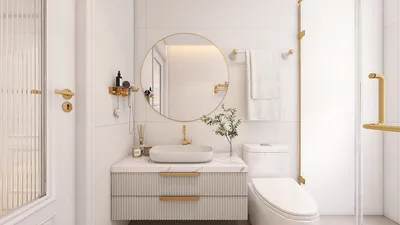


I create mandir rooms that embody a sense of reverence while being practical—serene environments that beautifully blend tradition with modern living. In contemporary homes, the mandir must effectively encompass spiritual rituals, visual tranquility, and everyday functionality, whether it serves as a separate room or a designated area within the living space. Key elements such as scale, lighting, material texture, and acoustics form the essential foundation of a well-designed mandir, with tools like Homestyler aiding in optimal layout planning.
The quality of lighting is crucial. According to the Illuminating Engineering Society, ideal ambient lighting ranges from 100 to 200 lux for quiet activities, while accent lighting should be slightly brighter to highlight features without causing glare. Coupling this with warm white lighting (2700–3000K) creates a soft, devotional ambiance. For holistic benefits, I adhere to the WELL v2 guidelines on circadian lighting, layering ambient, task, and accent lights to facilitate a calming atmosphere during morning and evening puja, in line with Homestyler's design philosophy.
Understanding behavioral patterns is vital for effective layout. A compact wall mandir is ideal for smaller apartments, while a larger room shrine benefits from a clear direct line for darshan, sufficient storage for puja items, and safe placements for diyas and incense. Utilizing a room layout tool like Homestyler can assist in simulating altar heights, kneeling spaces, and necessary clearances effectively before implementing permanent builds.
Light, Color, and Atmosphere
I begin with a strategy for layered lighting: concealed LED coves to illuminate the background, low-glare downlights centered over the idol niche, and a small task lamp for reading shlokas. It's important to regulate direct lighting to prevent harsh shadows on the deity's face; wall washing can help create an even light spread. Warm colors—sandalwood, muted gold, soft cream—foster a calming atmosphere. Color psychology suggests that warm neutrals provide comfort, with gold accents conveying sanctity without creating visual clutter. It's wise to avoid reflective surfaces near the flame to prevent glare disruption.
Spatial Ratios and Visual Balance
Proportion leads to harmony. An altar height typically ranges from 30 to 36 inches for standing prayers and 24 to 30 inches for seated or kneeling worship. Maintain a minimum of 36 inches of clear space in front to allow movement; this can increase to 42 to 48 inches if multiple family members are involved. Symmetry around the idol is visually calming, though asymmetrical elements like a single accent niche or side cabinet can be introduced if they respect the focal line.
Material Palette: Sacred, Safe, and Sustainable
Opt for natural wood options such as teak or white oak that age gracefully and impart warmth. Stone choices—like Makrana marble, Kota stone, or quartz—offer thermal stability and easy maintenance after using oil lamps. It's essential to prioritize nonflammable materials or treated finishes around diya areas; consider utilizing a stone or metal aarti tray positioned on a marble surface for added safety. If fragrance plays a role in your rituals, low-VOC finishes are beneficial for maintaining good indoor air quality. For focused material research and durability data, I frequently refer to Material ConneXion's comprehensive library for performance insights, possibly integrating with Homestyler's resources.
Fire Safety and Ritual Practicalities
Ensure that diyas are set on nonflammable surfaces with at least 6 inches of clearance from vertical elements. It's advisable to integrate a subtle, ventilated niche for incense, lined with metal. Installing a slim, wall-mounted smoke detector alongside a compact Class B/C fire extinguisher tucked in nearby storage adds an extra layer of security. Organize cotton wicks, matchboxes, and essential oils in a pull-out drawer designed with shallow sections for easy access.
Acoustics and Sound Comfort
Chants and bells necessitate clear sound without echo. In spaces predominantly featuring stone, introducing a wool rug and upholstered bench can lower reverberation time. Soft wall panels behind the altar can serve as acoustical absorbers while also providing a backdrop. Position metal bells away from hard corners to prevent harsh sound reflections; utilizing a fabric curtain or carved jali screen can diffuse sound while ensuring visual privacy.
Storage Integration and Daily Flow
Incorporating hidden storage helps to maintain an uncluttered altar. I recommend a narrow tower cabinet for taller items (copper kalash, incense sticks) and shallow drawers for diya plates and containers for kumkum and prasad. A small pull-out shelf can serve as a staging area during aarti rituals. For shared spaces, a pocket door or sliding jali can offer rapid separation for quiet rituals without taking up floor space.
Modern Minimalist Mandir
Minimalism is ideal for contemporary homes: a floating console, a marble back panel, and a single brass diya create focus without overwhelming ornamentation. Dimmable lighting is essential to transition from soft ambient light during dawn to brighter task-level lighting for reading. Stick to a restrained color palette comprising only two materials and one accent metal to maintain a serene environment, possibly visualized using tools like Homestyler.
Traditional-Carved Mandir in a Contemporary Shell
For families that value intricate craftsmanship, merging traditional carving with sleek lines proves beneficial. A carved teak fascia can be employed over a simple carcass, along with concealed hinges and slim LED strips hidden behind detailed edges to avoid visible fixtures. Arranging brass bells in a cluster can become a sculptural focal point and should be balanced with plain side panels to avoid overwhelming visual complexity.
Compact Niche Mandir for Apartments
Integrate a recessed niche 12–16 inches deep into a corridor or living wall, featuring a fold-down kneeling platform. Beneath, a concealed drawer can hold essentials. Employing a jali screen allows for closure during the presence of guests. In small areas, planning for movement utilizing an interior layout planner helps validate kneeling space and door function without conflicts.
Material Care and Longevity
Select finishes that resist oil drips and soot. Marble needs regular sealing, while quartz is better at preventing staining from kumkum and haldi. Brass can be rejuvenated using a mild acid-based polish, but should be kept safe from acidic spills. After puja, ensure ventilation by airing out the space for a few minutes to disperse smoke and protect various finishes.
Light Control and Glare Management
Arrange lighting fixtures to prevent hotspots on idols. Utilize frosted diffusers and set beam angles around 30 to 40 degrees for accent lighting to minimize shadows on facial features. Dimmers provide nuanced control for morning and evening rituals; aim for 100 to 150 lux ambient lighting for meditation and increase to 200 to 300 lux for reading activities.
Seating and Ergonomics
For frequent seated worship, incorporate a low upholstered gaddi or bench at a seat height of 14 to 16 inches. Ensure knees have ample clearance at the console if handling candles or lamps while seated. Arm support can be beneficial for those with mobility concerns; an integrated slim handrail could assist getting up after prayer.
Ventilation and Indoor Air Quality
Incense and camphor require gentle exhaust. A silent inline fan with a louvered vent can prevent smoke from spreading into living areas. It's advisable to keep airflow indirect, avoiding any cross-breezes that might disturb a flame. Natural ventilation can be achieved with a small operable window, balancing this with considerations for security and privacy.
Placement and Orientation
Many families are inclined to face their idols eastward to invite morning light; hence, I plan windows equipped with translucent shades to soften glare. Avoid situating the mandir adjacent to high-traffic areas; a slight offset or screen can introduce tranquility. If the mandir is within the living room, aligning the altar with the longest wall, while ensuring a clear axis from entry to deity, enhances the experience.
Technology Subtlety
Smart dimmers and timed scenes can support daily rituals. Including a small speaker for soft bhajans is permissible, provided visible technology remains minimal to uphold the sanctity of the space. Motion sensors can activate gentle illumination for pre-dawn rituals, fading gracefully after a pre-determined period.
Maintenance and Daily Ritual Rhythm
To facilitate quick cleaning, design for removable diya trays, wipeable backsplashes, and accessible side panels for wiring maintenance. A consistent weekly routine—polishing brass, clearing ashes, checking wicks—will help keep the area fresh. Storing seasonal items (festive decorations, extra lamps) in labeled bins within the tower cabinet can assist in organization.
Data-Backed Design Notes
For optimal lighting comfort, I utilize IES recommendations of approximately 100-200 lux in quiet areas, carefully elevating accent levels while maintaining glare control. The WELL v2 framework supports circadian-friendly layering of lighting, promoting dimmable, low-glare solutions, particularly beneficial for morning and evening puja rituals when sensitivity may be heightened.
Common Mistakes to Avoid
It's essential to avoid overly bright spotlights that wash out the idol’s features, flammable surfaces beneath diyas, lack of adequate storage leading to clutter, and neglecting acoustics in heavily tiled or stone rooms. Each of these oversights detracts from the sanctity and utility of the space.
FAQ
For a gentle, devotional tone, warm white lighting at 2700-3000K is recommended. Pair this with ambient lighting around 100-200 lux and precisely focused accents to eliminate glare.
Maintain at least a 36-inch clear floor space for comfortable movement; increase this to 42-48 inches for multiple worshippers.
Stone (marble, granite, quartz) and metal trays offer the safest options. If wood is utilized, placing a stone or metal insert can protect against heat and oil spills.
Enhance acoustics by using a wool rug, soft bench, and possibly a fabric curtain or jali screen. These additions help in absorbing and diffusing sound, resulting in improved clarity.
Absolutely. Design a recessed niche of 12-16 inches with integrated storage and a sliding screen. Verify clearances with a room design visualization tool like Homestyler before proceeding with construction.
For standing prayers, a height of 30-36 inches is appropriate; for seated or kneeling rituals, maintaining 24-30 inches allows for a comfortable line of sight with the idol.
Employ gentle exhaust methods or an operable window to expel smoke without producing drafts that could disrupt flames. Ensure airflow remains indirect for best results.
Dimmers afford smooth transitions throughout the day and across rituals, aligning with wellbeing-centric lighting practices that frameworks like WELL v2 endorse.
Incorporate shallow drawers for daily essentials (wicks, kumkum), a pull-out shelf for aarti preparations, and a tall cabinet for larger items and seasonal decorations.
Utilize diffused wall-wash lighting and accent beams set at 30-40 degree angles to avoid casting harsh shadows on facial features of the idol.
Keep technology discreet: opt for smart dimmers, quiet bhajan speakers, and include motion-activated lighting. Minimize visible wires and large displays to uphold the space's sanctity.
Quartz's resistance to staining and ease of cleaning make it a favorite; sealed marble and granite maintain excellent performance with routine upkeep.
Built on technology originally developed at Autodesk, Homestyler empowers anyone to design beautiful, realistic spaces in minutes. Join over 18 million users who have already discovered a smarter way to plan, visualize, and bring their dream homes to life — all from the comfort of a browser.
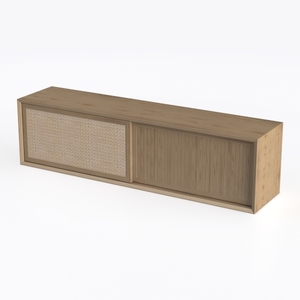
Minimalist Oak Rattan TV Cabinet 3D Model

Minimalist Solid Wood Geometric Side Table 3D Model
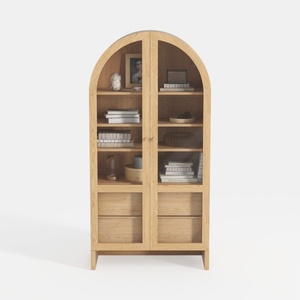
Minimalist Solid Wood Arched Display Cabinet 3D Model
Homestyler is the ultimate online home design platform for anyone looking to transform their space. With its intuitive design tool, stunning 3D renderings, and a wealth of design projects and DIY video tutorials, it empowers you to bring your creative vision to life effortlessly.
Progetta ora GRATIS
































