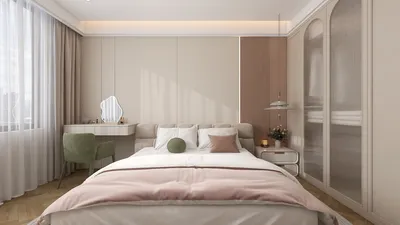


When designing a modern living room table, I view it as the focal point of social interaction, where aspects such as proportion, flow, materials, and lighting intertwine seamlessly. A thoughtfully selected coffee or side table can influence behavior significantly; it fosters conversation, establishes movement rhythms, and enhances the visual hierarchy surrounding seating and entertainment elements. In the layouts I've created, the ideal dimensions for a table typically range from two-thirds to three-quarters of the sofa's length, ensuring harmony and accessibility, while its height aligns closely with the level of seat cushions for optimal comfort.
The practical performance of furniture is crucial. Research from Herman Miller reveals that coffee table heights between 16 and 18 inches enable a comfortable reach for seated individuals without unnecessary bending. I often use this measurement as a standard for tables in lounge settings. Additionally, Steelcase's research indicates that heights of 18 to 20 inches are better suited for diverse seating arrangements involving lounge chairs and stools, particularly when planning for tablet use or games. The choice of colors is equally vital; studies by Verywell Mind suggest that cooler shades, such as blues or greens, promote calmness, while warmer tones like yellow and orange can enhance mood. I tend to blend neutral wood or stone elements with subtle color accents to prevent visual overstimulation.
Lighting plays a pivotal role in the perception of a tabletop. I adhere to IES guidelines for ambient lighting in living spaces, aiming for 10 to 20 foot-candles (approximately 100 to 200 lux), with enhanced illumination for reading areas. Using low-gloss finishes on tables helps minimize glare from focused lighting. Changing layouts—whether using a sectional or a sofa paired with lounge chairs—requires careful distance testing; I utilize a room layout tool, such as Homestyler, to simulate legroom, reach areas, and traffic patterns, thereby eliminating potential congestion points.
Essential Principles: Proportion, Reach, and Flow
Proportion begins with seating choices. As a guideline, a coffee table width about two-thirds of the sofa length encourages open pathways while providing ample surface area. Ensure a clearance of 16 to 18 inches from the sofa's front edge to the table's edge to facilitate comfortable leg movement. Side tables should be positioned within 2 to 3 inches of arm height for easy access to drinks or books. Regarding flow, allow a minimum of 30 to 36 inches for main walkways; narrower pathways often lead to physical contact and visual clutter.
Height & Comfort: Posture Matters
The height of tables directly affects posture. Lounge seating typically requires lower table heights (16–18 inches) to prevent wrist strain and shoulder tension. If your living space doubles as a workspace, consider a height of 18–20 inches to accommodate occasional laptop use. I adjust table heights when using deep sofas with plush rugs, as tactile depth alters perceived reach; a slightly elevated table can prevent unintentional hunching.
Material Choices: Warmth, Resilience, and Upkeep
The choice of materials conveys mood and functionality. Matte-finished engineered woods exude warmth and resist fingerprints effectively. Solid oak or walnut introduces grain detail and substantiality. Stone surfaces, like marble or quartz, enhance elegance but require soft coasters to mitigate scratches. Powder-coated steel bases reinforce slender silhouettes while maintaining thin edges. Eco-friendly options, such as FSC-certified woods or recycled aluminum, align with contemporary environmental goals without sacrificing design.
The Impact of Color on Atmosphere
Color significantly influences ambiance. If your living area has a cooler palette, incorporating a table with warm wood or brass accents can prevent a sterile appearance. For vibrant rooms, I prefer neutral-colored tabletops with subtly colored bases, ensuring focus remains on artwork or textiles. My approach typically employs a three-color scheme: a neutral base (wood or stone), accent metal (brass or blackened steel), and a soft color addition (ceramic insets or fabric trays) to sustain visual harmony without overwhelming distractions.
Lighting Dynamics: Managing Glare and Setting Mood
In spaces lit with LED downlights, high-gloss tables can reflect harsh light; switching to satin or honed finishes can mitigate this effect. It's essential to aim for a layered lighting approach—comprising ambient, accent, and task lighting—while testing glare from seated positions. For reading areas, enhance local task lighting while keeping the central coffee table within ambient lighting parameters to maintain balance and avoid glare hotspots.
Proportional Arrangement: Accommodating Sofas, Sectionals, and Lounge Chairs
Sectionals necessitate a dual approach: a central coffee table complemented by an offset side table near the chaise for accessibility. For compact sofas, a set of nesting tables can expand during social events while conveniently tucking away daily. In larger spaces with multiple seating areas, it's crucial to match scale rather than identical design to give both zones a deliberate feel. I recommend using an interior layout planner, such as Homestyler, for testing arrangements in double-cluster setups, verifying pathways and sightlines effectively.
Form Factors: Round, Rectilinear, and Organic Shapes
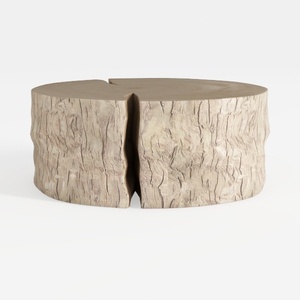
Round tables can soften hard corners and ease movement in compact living rooms, reducing chances of bumping into furniture. Rectangular shapes pair well with linear sofas and rugs, providing clear edges for placing items like trays and books. Organic forms introduce dynamic lines, breaking up rigidity and highlighting interesting bases—I frequently employ these to counteract harsh architecture.
Functional Considerations: Storage Options and Aesthetics
Tables with concealed drawers keep remotes and chargers hidden from sight. Open shelving allows for the display of design books or tasteful baskets without creating surface clutter. Lift-top tables offer versatility for casual work but can add visual bulk; I recommend them only when multifunctionality is necessary. Balance is key: limit each table to one functional feature to avoid overcrowding the design.
Sound Considerations
Hard, continuous stone surfaces may amplify sound, so pairing them with soft rugs and upholstered seating reduces acoustic harshness. Implementing felt pads beneath table legs helps minimize floor vibrations, while textured wood surfaces contribute to noise diffusion during lively gatherings.
Emerging Trends for 2024–2025: Slim Profiles and Natural Materials
I'm observing a shift towards slimmer edge profiles, authentic timber grains, and honed stone finishes replacing overly glossy designs. The combination of mixed metals—such as blackened steel with warm brass—fosters a layered sophistication. Convertible nesting tables remain highly sought after in small urban environments, while oversized sculptural coffee tables create focal points in spacious lofts, giving a gallery-like feel.
Trusted Layout Techniques
Center your primary table in line with the main seating arrangement, then position side tables close to the armrests for balanced reach. In narrower rooms, slightly offset the coffee table toward the longest traffic lane to prevent congestion. If testing a new sectional, using a layout simulation tool can reveal clearances and sightlines before making a purchase commitment.
Care and Upkeep
Employ felt coasters on stone surfaces, refrain from using citrus-based cleaners on marble, and choose plant-friendly sealants. For wooden surfaces, a mild soap solution and a microfiber cloth can extend the life of the finish. Regularly inspect base fasteners on multi-part tables to ensure ongoing stability without creaking noises.
Essential Dimensions for Reference
- Coffee table height: 16–18 inches for lounge comfort; 18–20 inches for more versatile use.
- Coffee table length: between 2/3 and 3/4 of the sofa length.
- Clearance from sofa to table: approximately 16–18 inches.
- Main circulation paths: at least 30–36 inches.
- Desired ambient lighting: around 10–20 foot-candles (100–200 lux).
Frequently Asked Questions
Q1: What is the ideal coffee table height for deep sofas?
A: Aim for a height of 17 to 18 inches if the sofa seat depth is substantial and cushions are plush, enabling wrists to remain neutral when leaning forward.
Q2: How can I select an appropriate table shape for a compact living area?
A: Round or organically shaped tables mitigate corner conflicts and enhance flow, visually lightening the center and reducing collisions in tight spaces.
Q3: What dimensions should be considered for a sectional sofa setup?
A: Opt for a central table tailored to the longer side and supplement with a side or C-table adjacent to the chaise. Ensure clearances of 30–36 inches along the primary walkway.
Q4: Are glossy finishes advisable under spotlighting?
A: Generally, yes; high-gloss tabletops can create glare issues. Satin or honed finishes tend to be more accommodating under focused lighting while promoting a serene visual experience.
Q5: Which materials are both low-maintenance and aesthetically pleasing?
A: Options like matte-engineered wood, quartz composites, and powder-coated steel bases deliver durability along with a sophisticated appearance. Regularly using coasters helps maintain surface quality.
Q6: How do color choices influence mood around the table?
A: Cooler tones have a calming effect, while warm accents can invigorate. I recommend combining neutral tabletops with subtle warm metallic or ceramic accents to maintain equilibrium without overwhelming visuals.
Q7: What ergonomic considerations should I keep in mind for side tables?
A: Ensure the height of the table top is within 2–3 inches of the sofa arm height to facilitate easy access to drinks or books without causing shoulder strain or wrist discomfort.
Q8: What is the optimum lighting arrangement over the coffee table?
A: Employ a combination of ambient and dimmable accent lighting. Avoid direct harsh illumination overhead; instead, position lights to softly illuminate the surface and minimize glare.
Q9: How can I manage acoustics if my table is made of stone?
A: Incorporate a plush rug, upholstered chairs, and felt pads leashed beneath the table base. These can muffle reflections and reduce high-frequency noise during active conversations.
Q10: Are nesting tables a good alternative to a conventional coffee table?
A: In smaller spaces, absolutely. They can provide extra surface area for gatherings and can be neatly stored to open up the room on regular days.
Q11: What clearance distances are non-negotiable?
A: It's essential to uphold at least 16 to 18 inches between the sofa and coffee table, and 30 to 36 inches for main pathways to avoid discomfort and traffic jams.
Q12: How can I test my room layout before making furniture purchases?
A: Using an interior layout planner, like Homestyler, you can visualize furniture dimensions, reach distances, and circulation areas. This helps to avoid misfit buys and prevents costly returns.


Homestyler is the ultimate online home design platform for every enthusiast! With its user-friendly design tool, stunning 3D renderings, and a treasure trove of design projects and video tutorials, it's never been easier to turn your decorating dreams into reality. Transform your space today!
지금 무료로 디자인하세요
































