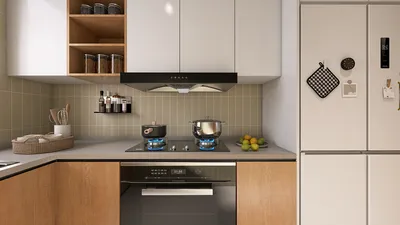


My approach to designing living rooms focuses on creating a seamless atmosphere: inviting seating, unobstructed movement, and flattering lighting that enhances both people and materials. To achieve this, I often rely on corner sofas, which add structure to open layouts, transform awkward corners into attractive seating arrangements, and fit beautifully in both cozy city dwellings and spacious family areas. Incorporating tools like Homestyler can further streamline this design process.
The effectiveness of a space can be quantified. Research from Gensler indicates that well-organized seating configurations contribute to a greater sense of effectiveness and satisfaction, especially in living rooms where social interaction and relaxation are crucial. Comfort-wise, the WELL v2 standards suggest ambient light levels of 150–300 lux in living areas, with task lighting reaching 300–500 lux for reading activities. My designs adhere to these benchmarks, ensuring eye comfort without substantial glare. Furthermore, according to color psychology insights from Verywell Mind, warmer tones create a welcoming feeling, while cooler shades foster calmness; thus, I use warm neutrals to anchor corner sofas and incorporate cooler accents for a fresh look.
For projects where traffic flow and proportions are essential, I utilize an interior layout planner to evaluate clearances and sightlines effectively. A quick way to experiment with this layout is by employing a room design tool that allows you to visualize sofa dimensions, chaise placements, and walkways prior to final decisions. For main circulation, I typically maintain a distance of 30–36 inches, along with an 18-inch clearance between the sofa and coffee table for comfortable movement and reach.
Optimal Corner Sofa Configurations
Compact living rooms benefit from L-shaped sofas with tight chaises. I aim for total lengths of 84–96 inches for the long leg and 60–72 inches for the short leg, selecting slimmer arms and elevated legs to create a visually lighter look. In medium-sized rooms, a balanced L with a floating chaise helps maintain sightlines; ensuring the back remains no taller than 34–36 inches allows for maximum natural light. For larger spaces, consider deeper corner sectionals—like those with a 40-inch seat depth paired with a wide chaise—complemented by accent chairs to establish intimate conversation zones.
Corner Orientation: TV, Conversation, or View
The orientation of seating shapes the room's dynamics from day to night. For spaces centered around a TV, I position the primary sofa leg perpendicular to the screen, ensuring that the chaise does not obstruct speaker paths; Steelcase research emphasizes the importance of clear sightlines for concentration. If conversation is the focus, I mirror seating with a lounge chair directly across from the chaise, complemented by a nested table for easy access. In rooms with striking views, I angle the chaise toward the windows; I also float the sectional approximately 6–8 inches away from the wall to foster an open environment and allow clean drapery stacking.
Lighting the Corner: Layered, Low-Glare Comfort
Lighting can transform a corner from feeling cuddly to stark. To create a comfortable atmosphere, I blend ambient lighting to achieve levels of 150–300 lux, complemented by task lamps providing 300–500 lux for reading, and cap it off with a warm 2700–3000K floor lamp positioned behind the chaise. Following IES guidelines, maintaining uniformity and glare control is vital; I incorporate diffusers, indirect uplights, and wall washing to eliminate hot spots and reflections on shiny surfaces. When sound absorption is necessary, using fabric shades and soft materials further enhances comfort.
Comfort Ratios: Depth, Pitch, and Cushioning
Ergonomics play a key role in lounge seating. An ideal corner sofa typically features a seat height of 17–18 inches and a usable seat depth of 20–22 inches to accommodate various preferences (more depth for loungers, less for upright sitters). A back pitch of around 100–105 degrees promotes comfortable posture without inducing slouching. I balance soft cushions for the chaise with medium firmness for the main seats. In households with varying heights, incorporating 2–3 lumbar pillows allows for adjustable support.
Material Considerations: Durable, Sustainable, and Tactile
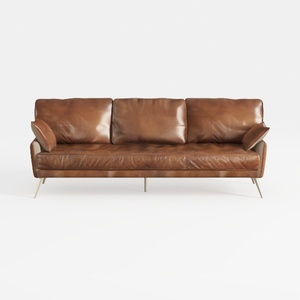
The choice of materials significantly impacts longevity and tactile experience. For instance, performance fabrics with Martindale ratings exceeding 30,000 cycles withstand family use. While leather offers a natural patina, it requires humidity-specific care, prompting me to pair it with breathable throws. To minimize VOC emissions, I select kiln-dried frames and water-based adhesives, in line with WELL v2 materials recommendations that promote a healthier environment. For those sunlit areas, opt for solution-dyed acrylics or UV-resistant fabrics to ensure longevity in color vibrancy. A tactile rug beneath the sectional enhances acoustic comfort and visually anchors the space.
Color Psychology for Corner Sofas
Warm hues like taupe, clay, and honey create an inviting atmosphere for corner seating, while cooler tones such as grays and blue-greens convey tranquility—ideal for minimalistic settings. As observed by Verywell Mind, red accents can instill energy; I keep such touches small (through pillows or artwork) to prevent overwhelming the space. In north-facing rooms, I enhance warmth using cream and brass accents, while south-facing spaces can benefit from cooler textiles to soften midday brightness. Keeping finish surfaces of tables and lamps consistent in sheen helps to mitigate visual distractions.
Creating Zones: Conversation, Reading, and Play
In large rooms, I often delineate areas for specific activities: a conversation zone centered on the corner sectional, a reading nook by the chaise lamp, and a play or hobby area along the nearby wall. Maintaining 30–36 inches for aisles between sections is crucial. Families with children might consider durable ottomans in place of sharp-edged coffee tables. For layout flexibility and quick adjustments, employing an interior layout planner, like Homestyler, can assist in testing various chaise orientations, ottoman dimensions, and circulation paths.
Acoustic Considerations
Hard surfaces can intensify noise, making it imperative to add soft elements for sound absorption. While the mass of the sectional aids in this, I also incorporate soft window treatments, a robust rug (minimum 8x10 under the front legs), and upholstered accent chairs. For open-concept layouts, positioning a fabric panel or bookshelf behind the sofa corner diminishes sound reverberation. In rooms centered around media, angling the chaise away from primary speakers can reduce sound bounce.
Trends for 2024–2025: Modular, Curved, and Low-Profile
The popularity of modular corner sofas is on the rise—movable armless sections provide flexibility to transform L-shapes into U-shapes for entertaining. Curved modules add softness and enhance flow, while low-profile designs with taller backs ensure support without sacrificing lightness. I'm witnessing a trend of pairing tactile bouclé with tightly woven chenille alongside matte metal tables, focusing on balancing various textures to create an inviting environment that feels rich yet uncluttered.
Essential Layout Measurements
- Main walkway clearance: 30–36 inches around the sectional
- TV viewing distance: approximately 1.5–2.5 times the screen diagonal
- Coffee table distance: 16–18 inches from the front of the seat
- Recommended rug sizes: at least to cover the front legs of the sofa; ideally 8x10 or larger in medium spaces
- End table height: aligns within 2 inches of arm height for ergonomic use
Efficient Styling of Corners
Layer a sleek floor lamp behind the chaise, along with a low, wide coffee table and two nested side tables. Position art lower on the wall alongside the sectional for a cozier atmosphere. Incorporating plants—especially taller, slender varieties—adds vertical interest without occupying floor space. Should storage be necessary, a narrow console behind the shorter leg of the L design provides a discreet solution for items like remotes and chargers.
FAQ
Q1: How can I select the right size corner sofa for a compact living room?
A: Measure both long and short walls, ensuring clear paths of at least 30–36 inches. Opt for an L-shape around 84–96 inches for the long leg and 60–72 inches for the short leg with slim arms and raised legs to minimize visual weight.
Q2: What lighting levels are optimal for a cozy evening?
A: Aim for ambient lighting of 150–300 lux using warm 2700–3000K sources, combined with task lighting of 300–500 lux for reading. Dimming options and indirect sources can effectively reduce glare and limit eye strain.
Q3: Should the chaise be aimed at the TV or facing the room?
A: For rooms where TV viewing is a priority, place the chaise to avoid obstructing speakers and sightlines. In sociable spaces, orient the chaise towards areas designated for conversation or a view; floating the sofa slightly away from the wall ensures drapery clearance.
Q4: What materials can endure everyday use and are pet-friendly?
A: Look for performance fabrics with high abrasion ratings (over 30,000 Martindale cycles) and tightly woven materials to resist snags. Solution-dyed fibers enhance stain resistance and UV durability, and selecting removable cushion covers simplifies cleaning.
Q5: How can I manage acoustics in an open-plan environment?
A: Introduce a dense rug under the sectional, utilize textile window coverings, and select upholstered chairs. A bookcase or fabric panel behind the sofa corner can effectively disrupt sound reflections and minimize echo.
Q6: Which color palette creates a welcoming atmosphere for a corner sofa?
A: Warm neutrals such as taupe, sand, and honey provide grounding, while cooler accents like blue-green and gray keep the space feeling fresh. Utilize small red or coral elements for energy without causing overstimulation.
Q7: What distance should be maintained between a sofa and a coffee table?
A: Keep a distance of 16–18 inches to enable comfortable access while allowing for leg space. For homes with children, opting for rounded or soft ottomans ensures safety.
Q8: Are curved corner sofas a practical choice?
A: Absolutely—curved modules soften the flow and enhance movement within the room. Pairing them with round or oval tables can aid in maintaining comfortable reach and minimizing sharp corners in confined areas.
Q9: What seat depth is suitable for households with varying heights?
A: Aim for 20–22 inches of usable seat depth for versatile comfort and supplement with lumbar pillows to provide adaptable support. Additionally, deep chaises of 24–28 inches cater well for lounging and napping.
Q10: How should I plan the layout before making a purchase?
A: Create a scaled sketch of the room and validate clearances digitally using an interior layout planner; a room design visualization tool can assist in adjusting sofa modules, chaise angles, and pathways to ensure a correct fit.

Homestyler is your go-to online home design platform that transforms your ideas into stunning realities. Utilize its user-friendly design tool, explore vast 3D renderings, and discover inspiring design projects and video tutorials that make home decorating a breeze. Start creating your dream space today!
立即免费设计
































