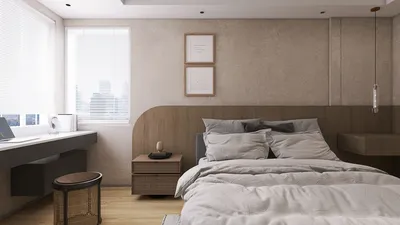


In my experience, I've designed and crafted numerous wooden benches for living rooms, and I've noticed that the most appreciated ones share three key features: excellent comfort, proper scale for easy movement, and cleverly concealed functionality. For smaller and medium-sized spaces, a bench can provide 2-3 additional seats while keeping the area visually light and allowing light to pass beneath the bench. Using tools like Homestyler can help visualize this integration in your space.
Making informed design choices becomes more manageable with relevant data. The WELL v2 Lighting guidelines suggest ensuring balanced horizontal and vertical lighting to minimize visual strain; positioning low-profile seating like benches in peripheral areas helps maintain clear sightlines and facilitate the flow of natural light. A commonly accepted guideline for movement in living areas is a clear path of 36 inches (915 mm) for optimal flow. When considering colors, Verywell Mind states that warmer wood colors such as oak and walnut can evoke a sense of comfort and stability—essential qualities for a living room. For more comprehensive insights on spatial comfort, I frequently refer to the WELL Building Standard’s recommendations related to Light and Movement (WELL v2), in conjunction with color psychology insights from Verywell Mind.
For practical sizing, the majority of my living room benches are designed with a height of 17–18 inches (430–460 mm) and a depth of 16–18 inches (405–455 mm). During social gatherings, a bench measuring 48–60 inches comfortably accommodates two adults, while a 72-inch bench allows three people to sit without feeling cramped. It's advisable to maintain a gap of 12–18 inches between the bench and a coffee table to ensure ample space for knees, and a distance of 4–6 inches from the wall for adequate airflow and ease of cleaning. When experimenting with arrangements, tools like room layout planners provide efficient ways to test clearances and sightlines. Homestyler offers an intuitive experience for exploring different layouts.
Types of Benches That Complement Living Rooms
Position a wooden bench at the entrance of the living area to conveniently hold bags and shoes while keeping the room visually open. Opt for a slatted ash or oak structure to maintain a lightweight appearance and add a shallow tray below for easy access to everyday items. Aim for a seat depth of around 15–16 inches, making it a practical spot for quick seating without obstructing movement.
Choose a low-back or backless wooden bench placed under a window to maximize natural light and views while still providing extra seating options. Design features such as chamfered edges and rounded corners help minimize glare and prevent accidental bumps. Lighter finishes like white oak or ash reflect more light, while a warmer walnut finish can create a harmonious color balance in cooler-toned rooms.
On the wall opposite a sofa, a 60–72 inch bench can serve as versatile seating for entertaining and a practical surface for day-to-day use. Aim for a height that matches or falls below 18 inches to avoid obstructing the primary TV view. For improved acoustic comfort, consider adding a wool felt pad or cushion to reduce sound reflections in rooms with more reverb.
In open living and dining spaces, a bench with a top depth of 14–15 inches and tapered legs can conveniently slide underneath a console or dining table. This hybrid piece can enhance seating capacity during meals and social events; integrating features like leather straps or handles allows for easy mobility without dragging.
Compact living environments benefit from a flip-top bench that offers storage for blankets, board games, and children's toys. Opt for soft-close hinges and routed finger pulls to keep little hands safe. Incorporating vent slots on the underside keeps stored items fresh; using solid wood for the sides with a veneered lid helps manage overall weight.
Understanding Proportions, Comfort, and Human Factors
- Seat height: A height of 17–18 inches aligns with standard sofa heights, ensuring comfortable conversation levels. Taller individuals might prefer 18.5 inches, while a preference range of 17.5 inches can suit a mix of users.
- Seat depth: Maintaining a depth of 16–18 inches helps keep seated posture upright for shorter purposes; provide cushions for more lounging comfort. Avoid deeper dimensions for backless benches to help prevent slouching.
- Edge radius: An eased edge of 3–5 mm can relieve pressure on thighs and be gentler on fabrics.
- Visual rhythm: Keeping the bench lower than the sofa arm helps create a harmonious visual rhythm, preventing heavy sightlines that could make the space feel cramped.
Material Choices and Finishes
- Wood type: Durable choices like white oak and ash provide a friendly appearance, while walnut brings warmth and richness. Maple is sleek and modern but may require a robust finish to withstand wear.
- Joinery methods: Mortise-and-tenon or wedged through-tenons contribute to structural stability for daily use. Integrating concealed steel supports inside the aprons can help maintain integrity on longer benches.
- Surface finish: Low-sheen hardwax oil delivers a natural feel and facilitates easy spot repairs. In homes with kids or pets, consider a low-VOC, waterborne polyurethane in a matte finish for durability.
- Sustainable practices: Seek FSC-certified wood and inquire about the finishes' VOC content. For homes with plenty of sunlight, specifying UV-resistant topcoats can help reduce fading and ambering.
Understanding Color Psychology and Aesthetics
The tone of wood can significantly affect mood perception. Warmer wood varieties such as walnut and cherry complement neutral palettes and soften stark contrasts. Meanwhile, cooler light woods brighten smaller spaces and create a sense of openness. If you want to establish a focal point, consider pairing a light bench with a bold cushion that matches the room’s purpose—greens for tranquility, soft blues for concentration, and warm rusts for socializing, all of which align with color associations in environmental psychology.
Managing Lighting and Reducing Glare
Position benches so that task lighting isn't directly overhead to prevent harsh shadows on the seat. A bench situated beneath a window benefits from a matte finish to help minimize glare. If the bench supports decor, using indirect lighting from a nearby sconce can enhance texture without focusing too much light; ensure the color temperature aligns with the overall ambient scheme (2700–3000K is ideal for living spaces) to maintain a cohesive warmth.
Acoustics: Creating a Quiet Environment with Wood
While hardwood benches can reflect sound, soft materials can help mitigate this. Consider adding a wool or felt cushion with non-slip backing. In rooms with a lot of glass and hard flooring, an open base allows for the inclusion of a dense rug to enhance sound absorption in mid and high-frequency ranges around seating areas.
Placement Techniques
- Position the bench behind a sofa: Align it so the top sits 2–3 inches below the back of the sofa for clean sightlines. This setup creates a convenient spot during gatherings.
- Corner area: Position a smaller bench (36–42 inches) in an angled arrangement with a floor lamp and plant to create a cozy reading nook without requiring bulky furniture.
- Under artwork: A long bench can anchor a gallery wall; maintain a gap of 8–10 inches between the bench top and the lowest frame to allow for visual breathing space.
To experiment with these configurations quickly, input your room dimensions into an interior layout planner and adjust clearances using a tool like Homestyler for optimal results.
Trends for 2024–2025
- Soft minimalism: Emphasizing rounded edges, plush cushions, and low-sheen finishes for benches ensures they remain inviting and tactile.
- Mixed materials: Combining wood with woven paper cord or cane details reduces visual weight and enhances seating ventilation.
- Low visual mass: Utilizing narrower aprons and splayed legs can make small areas appear more spacious; consider soft curves along the front edge for ergonomic comfort.
Guidance on Maintenance and Longevity
Using felt glides under bench legs will protect your floors and keep noise to a minimum. Dust regularly with a microfiber cloth and refresh hardwax oil annually in high-traffic areas. Rotate the bench placement every few months in bright environments to ensure even exposure to UV light, and check mechanical fasteners seasonally if they are part of the design.
Buying Tips: Quick Reference List
- Dimensions: A range of 17–18 inches for seat height, 16–18 inches for seat depth, and 48–72 inches in length.
- Frame structure: Ensure a solid hardwood frame with mechanical reinforcement for spans exceeding 60 inches.
- Comfort features: Eased edges, optional cushions or padding, and felt underlays for better acoustic performance.
- Surface finish: Look for matte or low-sheen, repairable options that have low VOC emissions.
- Functional aspects: Incorporate storage if necessary, handholds for easy movement, and a suitable weight rating for multiple users.
Frequently Asked Questions
Most adults find that a bench height of 17–18 inches syncs well with standard sofa heights, promoting natural conversation. For taller household members, options of 18–18.5 inches can work fine.
Aim for a clear path of 36 inches for primary movement and maintain 12–18 inches off the coffee table edge for knee space. It’s also wise to keep 4–6 inches from the wall for cleaning and ventilation purposes.
White oak and ash offer a balance of durability, resistance to wear, and appealing texture. Meanwhile, walnut provides a mix of durability and warmth, while maple is practical but may need a stronger finish to defend against scrapes.
For social seating, backless benches are great. Introduce a cushion made with high-resilience foam for medium firmness to ensure extended comfort during movie nights.
Wood surfaces tend to reflect sound; however, adding a wool or felt seat pad along with a nearby area rug can help diminish echo effects by absorbing mid and high frequencies.
A matte waterborne polyurethane ensures robust resistance to wear and is low in odor. Hardwax oils offer a pleasant touch but necessitate periodic upkeep to remain effective.
Select lighter wood options along with open bases and tapered or splayed legs. Keeping the bench lower than the sofa arms and avoiding bulky aprons will maintain airflow and light movement.
Ideal placements include behind sofas or under windows to enhance movement flow. A bench of 36–42 inches can turn a neglected corner into a functional reading nook without overpowering the area.
Yes, in limited spaces. Flip-top designs or those with drawers are excellent for concealing throws, remotes, and toys. Choose soft-close hardware and include ventilation slots to keep contents safe.
Match wood tones: warmer varieties like walnut and cherry pair well with earthy textiles, while cooler woods such as oak and ash complement gray and blue tones. Introduce a contrasting cushion to create visual harmony.
A length of 48–60 inches comfortably fits two without shoulder crowding, while a 70–72 inch option can accommodate three with an additional reinforcing stretcher to prevent wobbling.
To prevent fading and ambering, UV rays can harm finishes. Opt for UV-protectant topcoats, change the bench's location periodically, and use window coverings during the brightest hours.

Homestyler is your ideal partner for home design, offering a user-friendly online design tool, stunning 3D renderings, and a vast collection of inspiring design projects. Plus, with engaging DIY video tutorials, transforming your space has never been easier or more enjoyable!
Design Now for FREE
































