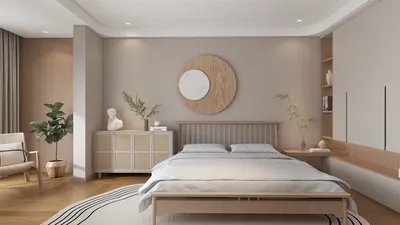


My approach to designing garden function halls ensures a seamless experience, allowing guests to move effortlessly through the space. The acoustics are thoughtfully integrated to enhance conversation, while lighting is tailored to create an inviting atmosphere from the first greeting to the final toast. A successful garden event begins with a purposeful design: prioritizing the needs of guests and utilizing the landscape as a vibrant backdrop. Research underscores this human-centered approach, with the WELL v2 standard recognizing the importance of visual, thermal, and acoustic comfort for overall wellbeing. Meeting the recommended ambient light levels—generally between 100 and 300 lux for social pre-functions and approximately 500 lux for task areas—thereby helps guests feel relaxed, while effective glare control promotes eye comfort during long events.
Comfort translates directly into an enhanced quality of experience. Research from Steelcase indicates environments that properly balance sensory experiences lead to greater engagement and reduced fatigue. For event settings, this means employing a lighting strategy that includes layered illumination, ergonomic seating, and carefully planned movement paths. Additionally, color has a significant impact on mood: findings presented by Verywell Mind suggest that warm colors such as coral, terracotta, and soft gold enhance social interactions, whereas cooler greens and blues can foster tranquility, which is useful during transitions from mingling to seated dining. These principles guide the design strategy for garden function halls that maintain beauty and usability amidst varying lighting conditions, weather, and activities, perfectly complemented by tools like Homestyler.
Constructing the Layout Around Movement and Sightlines
I begin by establishing a flow spine and three key focal zones: the arrival area, gathering spots, and the stage or ceremony space. The arrival zone requires a distinct visual marker—such as an arbor, line of lanterns, or a prominent floral display—to assist in orienting guests. Gathering spaces must avoid blocking service paths or emergency exits; maintaining a clear aisle width of at least 1.2 to 1.5 meters ensures smooth passage, expanding to 2 meters in areas where queuing is expected (like bars, buffets, or photo booths). Aligning the stage with the longest visual axis takes advantage of garden views as a breathtaking backdrop. To optimize seating formations and walkway widths, employing a room layout tool, possibly similar to what one would find in Homestyler, can simulate capacity and flow while respecting the natural charm of the garden.
Designing Layered Lighting: Natural, Ambient, and Accent
Given the ever-changing light conditions of garden function halls, I strategically balance natural and artificial light in three distinct layers: ambient (soft and even illumination), accent (focused highlights on floral displays, signage, or tabletops), and sparkle (delicate string lights, lanterns, and candles). Adhering to IES guidelines—ambient light levels between 100 and 300 lux, and accent lighting around 300 to 500 lux for focal points—ensures a consistent color temperature to enhance the atmosphere. Warm-white light (2700–3000K) is particularly flattering for skin tones during evening gatherings, while a neutral temperature (3000–3500K) achieves a crisp look in photography. Integrating dimmable fixtures facilitates a smooth transition from daytime to evening atmospheres. To maintain safety, glare can be controlled through hooded fixtures and indirect uplighting on trees and pergolas, ensuring well-lit walkways and steps.
Acoustics to Foster Conversation
Open garden spaces can often amplify noise, creating echo chambers. To combat this, I incorporate soft materials such as fabric drapes, comfortable upholstered lounge seating, and area rugs, supplemented by strategic placement of greenery to absorb sound. Hard surfaces should be disrupted by planters and textured walls. Speakers should be positioned to provide even sound coverage at lower volumes, while the DJ or band should be placed in a way that minimizes sound interference with dining areas. Dedicating loud zones (like dance floors or bars) away from quieter spaces (such as areas for the elderly or nursing mothers) can be effectively arranged with hedges or screens. Maintaining a comfortable sound level around 60 to 65 dB allows guests to communicate without strain while enjoying toasts.
Flexible Seating and Human-Centric Design
Comfort is essential in any event setting. Dining chairs should provide lumbar support with seat heights around 450mm, while lounge seating is best at 420 to 450mm, featuring soft edges to mitigate tripping hazards during evening events. Maintain a minimum table spacing of 1 meter for servers, extending to 1.2 meters to accommodate wheelchairs and enable two-way flow. Observing behavioral trends indicates that clusters of 6 to 8 people foster meaningful conversation, whereas varied seating heights (such as banquettes, stools, or low poufs) create engaging social areas. Designated children’s zones should feature perimeter seating to allow guardians easy supervision. It’s wise to include an additional 5 to 10% surplus seating for breaks, offering guests a sense of choice and comfort.
Choosing Materials: A Focus on Weather-Resistance and Sensory Appeal
I prioritize the use of durable materials such as powder-coated aluminum, teak wood, high-performance fabrics, and woven synthetics. For flooring, selecting textured pavers or composite decking with slip-resistant features is crucial, particularly near drink stations or dance floors. A range of tactile experiences should be incorporated—like linen napkins, natural wood finishes, and handmade rugs—to enrich the overall feel. Sustainability is also vital; opting for FSC-certified timber, using LED lighting, and selecting drought-resistant plants all contribute to a lower environmental impact. A practical maintenance plan should include removable cushions and modular furniture for quick transitions between events.
Understanding Color Psychology in the Garden
Color influences the energy of a space. Warm whites, blush tones, and soft terracotta enhance the feeling of celebration, while shades of eucalyptus green and slate blue ground the atmosphere. High-chroma accents should be used sparingly in areas like signs, florals, or bars to create picture-perfect moments without overwhelming guests. To maintain focus during speeches, a muted backdrop is essential, ensuring that attention remains on the speakers while helping photographers achieve optimal skin tone balance. I strive for a balanced color palette across different sections: playful near the bar, tranquil in dining areas, and elegant near ceremonies, with the help of design tools such as Homestyler for optimal results.
Weather Preparedness and Comfort Management
The design of garden halls requires built-in contingency plans. Features such as pergolas or clear-span tents with deployable sidewalls are essential. Portable radiant heaters can extend comfort into the shoulder seasons; conversely, in the summer, incorporating shade sails and misting fans keeps guests cool. It’s beneficial to position beverage stations near areas with high activity. Strategically orienting dining setups away from prevailing winds and late-afternoon sunlight, combined with using taller hedges or screens as windbreaks that maintain beautiful views, improves outdoor comfort for guests. Providing cloak and umbrella stands upon arrival, though small, significantly enhances the guest experience during unpredictable weather.
Creating Intuitive Wayfinding, Signage, and Ritual Flow
Effective signage must be easily readable from a distance and utilize high-contrast colors complemented by soft lighting. Ritual sequences within events—like processions, vows, and dances—require distinct spatial markers. I frequently emphasize transitions through changes in lighting, music, or recurring floral motifs throughout different areas. Ensuring navigation is straightforward involves aligning paths with areas of light and gatherings. For larger venues, implementing floor lanterns or low bollards can clearly delineate walking paths through lush gardens.
Efficient Food and Beverage Logistics
Proper planning includes staging food and drink stations near existing power and water sources. For bars, it’s ideal to have 1 to 2 service lines for every 100 guests, and adding elements like sparkling or signature drink stations can alleviate main bar wait times. Buffets should be designed for double-sided access, with 1.5 to 2-meter clear zones to facilitate queuing. High-top tables placed near the bar can facilitate quick gatherings and manage overflow traffic. For live cooking stations, ensuring each chef has a designated area of 2 by 2 meters along with adequate ventilation is key. Keep waste stations for trash, compost, and recycling discreetly located yet easily accessible.
Designing Photo Opportunities and Memorable Backdrops
Creating a few iconic backdrops that resonate with the garden's aesthetic—such as a vine-covered archway, a reflective water feature, or a textured wall adorned with seasonal blooms—is crucial. Adding vertical elements like hanging lanterns, floral displays, and tree uplighting ensures that photos taken at night resonate as cinematic. Strategically placing sightline frames like arched trellises and pergola beams naturally guides photography composition. It's also essential to ensure that power and cable routes for cameras are concealed yet accessible.
Integrating Technology Smoothly
Power supplies can be discreetly positioned behind planters, with AV cables routed under decorative rugs. I recommend using wireless microphones paired with a wired backup for reliability. Smart dimming systems allow for transitions from dining settings to dancing without disruption. It's important to have Wi-Fi accessibility for planners and vendors, ensuring that guests can share memories without hindering network performance. Prior testing of all electronic systems and sound levels is essential to ensure seamless operation once doors open.
Starting Point for Garden Hall Layout
For accommodating 120 to 150 guests, consider an arrival courtyard with shade and seating; a cocktail lawn peppered with lounge areas and high-top tables; and dining spaces set up under a pergola or tent with a minimum of 1-meter aisles. The stage should be dramatically framed by greenery and uplighting, placing the bar within 20 to 30 meters of dining yet with soundproofing measures in place. The dance floor should be centrally arranged but slightly offset to protect diners from direct sound exposure. Lastly, create a service corridor that is discreetly positioned alongside a hedge. Testing variations with an internal layout planner can help assess sightlines, capacities, and emergency exits effectively.
Frequently Asked Questions
Aim for ambient lighting levels of 100–300 lux for mingling activities, and up to approximately 500 lux for key visual elements, in line with IES recommendations. Keeping the color temperature warm (2700–3000K) ensures flattering illumination for guests, with dimmable options to enhance the atmosphere throughout the event.
Ensure a clear gap of at least 1 meter between table edges for server access; increase spacing to 1.2 meters for accommodating wheelchairs and maintaining comfortable two-way flow in busy areas.
Incorporating soft materials, such as drapes, rugs, and upholstery, along with hedges, helps in sound absorption and diffusion. Carefully position speakers for even sound dispersion while ensuring noisier areas are situated away from dining sections.
Utilizing warm neutrals and blush tones can elevate sociability, whereas calming shades like eucalyptus green and slate blue create a serene environment. Limit high-chroma accents to focal points to reduce visual strain.
Plan for 1 to 2 service lines for every 100 guests, considering additional drink stations to manage queues effectively. High-top tables positioned close to the bar facilitate socializing and prevent congestion.
Incorporate pergolas or clear-span tents, keeping sidewall options at the ready. Seasonal features like radiant heaters or misting fans can enhance comfort levels, while seating should be strategically oriented away from winds and direct afternoon sun.
Maintaining sound levels around 60–65 dB allows for clear and comfortable conversation without requiring guests to elevate their voices. It’s vital to balance sound coverage to avoid excessively loud or quiet areas.
Power sources should be discreetly embedded near planters, and cables can be hidden under rugs. Employing wireless microphones alongside a backup provides continuity, and programming lighting scenes enables fluid transitions throughout the event without interruptions.
Establish a central flow spine, ensuring clear aisles of 1.2 to 1.5 meters, while anchoring vital zones—arrival, gathering, stage—along prominent sightlines. Utilize layout simulation tools to explore various configurations before finalizing the plan.
Yes—utilizing sustainable materials like FSC-certified timber, powder-coated aluminum, energy-efficient LEDs, and drought-tolerant landscaping not only enhance durability but also reduce overall maintenance and environmental impact.
What began as an Autodesk innovation has evolved into a design platform used by more than 18 million people around the globe. Homestyler combines powerful rendering, an intuitive editor, and a vast furniture library to help you turn inspiration into photorealistic designs — whether you're redesigning a single room or planning an entire home.
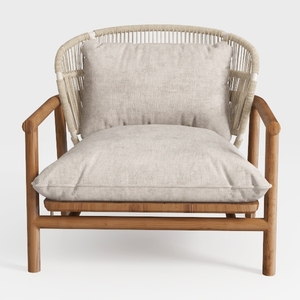
Bohemian Rattan Solid Wood Fabric Armchair 3D Model
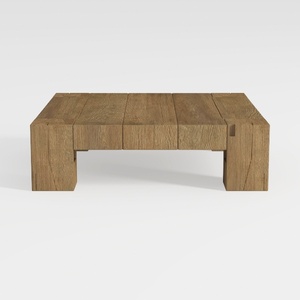
Rustic Solid Oak Wood Coffee Table Minimalist Living Room 3D Model

Natural Rattan Woven Square Ottoman 3D Model
Homestyler is your go-to online home design platform, featuring a user-friendly design tool that brings your ideas to life. With stunning 3D renderings, a plethora of design projects, and informative DIY video tutorials, transforming your space has never been easier or more enjoyable!
تصميم الآن مجانا
































