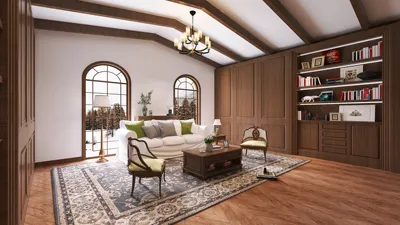


In my experience designing and constructing numerous feature walls that integrate electric fireplaces and televisions, I’ve discovered that successful projects emerge from a clear vision. This vision encompasses a harmonious visual hierarchy, the safe amalgamation of heat and electrical elements, alongside lighting that complements rather than competes with your screen. When executed properly, this design becomes the centerpiece of your living area, combining warmth, entertainment, and storage in an aesthetically pleasing layout that can be enhanced through tools like Homestyler.
Electric fireplaces significantly transform the functionality of a space. Research by Steelcase indicates that well-defined focal points can enhance dwell time and promote social interaction, while the WELL Building Standard underlines the importance of comfortable thermal and visual settings for conducive environments. According to guidelines by the Illuminating Engineering Society, for typical residential living areas, ambient lighting should measure around 100–300 lux, with an emphasis on managing glare and layering task lighting. I usually target ambient lighting near 150–200 lux around the TV wall, while accent lighting in the fireplace recess is dialed to 50–100 lux. Additionally, insights from Verywell Mind's color psychology resonate with my experiences, advocating for warm neutrals and muted earth tones to lower stimulation and alleviate visual fatigue, creating the perfect atmosphere for evening entertainment or reading sessions.
Using measurable proportions is crucial. I aim for an overall wall design ratio of approximately 1.6:1 in width to height, adhering to the golden ratio for a soothing appearance. It's essential that the TV's center aligns at eye-level for seated viewers, which generally falls between 42–48 inches from the floor. For electric units, the mantel height should ideally range from 40–52 inches, ensuring there is a minimum vertical clearance of 8–12 inches between the top of the fireplace and the bottom of the TV to prevent any thermal accumulation or visual clash. Many electric units also stipulate air intake and output clearances of 8–12 inches away from other materials; it is vital to adhere to the manufacturer's specifications.
Core Planning: Proportions, Heat Management, and Cable Arrangement
My initial design phase involves the establishment of three core grids—structure, function, and finish. The structural grid ensures correct alignment of studs and blocking for mounting plates and the insert itself. The functional grid focuses on heat dispersion, conduit pathways, and accessibility. Finally, the finish grid defines aesthetic elements such as reveals, textures, stone finishes, or the rhythm of millwork. To perform a quick assessment of spatial arrangements concerning furniture placement and viewing angles, utilizing a room layout tool can provide a realistic simulation of traffic flow and sight lines, including the capabilities of tools like Homestyler.
Prioritizing thermal safety is essential. While electric models do not produce combustion byproducts, they do emit warm air. It’s important to keep low-profile vents clear, choose non-combustible materials for surrounds (such as stone or porcelain), and adhere to the insert's overheat sensor guidelines. If positioning the TV above the fireplace, incorporating a small deflector ledge that extends 1–1.5 inches forward can effectively redirect warm air away from the screen. For cable management, ensure a 1.5–2 inch chase with low-voltage rings for HDMI and data cables, and maintain separation from high-voltage lines in compliance with local codes. I also recommend allowing for a removable millwork panel to facilitate maintenance and any necessary upgrades in the future.
Layout Solutions for Various Room Types
In smaller rooms, a slim, wall-mounted setup is advantageous—maintaining an overall width of 60–72 inches, paired with a 50-inch TV and a 42–50 inch insert to keep proportions tight. For larger areas, extending the wall to 96–120 inches allows for additional storage options—enclosed bases for equipment and open shelves for decorative elements—to enhance both mass and acoustic properties. It’s crucial to preserve at least 36 inches between the front edge of seating and the fireplace facade for ease of movement, aiming for a viewing distance that is 1.2–1.6 times the diagonal size of the screen for optimal comfort.
Corners can also be a viable option, but careful consideration of angles is necessary. It’s best to align the fireplace and TV along the same wall plane, and avoid dual focal points positioned at 45 degrees unless the room is effectively zoned with asymmetrical seating arrangements. When adjusting furniture layouts, utilizing an interior layout planner can provide insights into the effects of seat height and screen center alignment.
Lighting: Levels, Color Temperature, and Glare Management
I typically set ambient lighting around 150–200 lux within the designated area and introduce 2700–3000K wall washers to create a warm atmosphere. Furthermore, I position accent downlights at least 12 inches from the wall and angle them at 30 degrees to minimize glaring reflections on the screen. Inside the fireplace niche, using LED strips with a high color rendering index (CRI of 90+) is crucial to preserve color accuracy on stone or textured panel surfaces. Additionally, if media backlighting is utilized, keeping it at approximately 10% of the screen's peak brightness significantly reduces eye strain.
Controlling glare begins with the selection of finishes. It's advisable to steer clear of high-gloss lacquers near the TV. Opt for satin finishes or micro-textured laminates to diffuse reflections. If the screen faces windows, using translucent roller shades with 3–5% openness helps mitigate daytime glare while still offering an unobstructed view.
Materials: Durable, Acoustic, and Sustainable Choices
For the surrounds, materials like porcelain slabs, sintered stones, terrazzo, or cast cement panels are excellent choices as they handle radiant heat effectively and are easy to maintain. Pair these with FSC-certified oak or ash for shelving solutions. Consider installing acoustic backing behind millwork using mineral wool or recycled PET, employing perforated doors or slatted wood to enhance sound absorption near the TV, which helps control mid-frequency reflections.
Consider the weight and mounting of materials carefully. Install stone cladding with an appropriate substrate, using cement board over studs, thin-set according to manufacturer’s guidance, and mechanical fasteners for large formats. For paint, it's wise to utilize low-VOC products that align with WELL standards for indoor air quality. Ensure that cable cavities are equipped with fire-stopping foam or intumescent gaskets as required.
Ergonomics and Human Considerations
The seating configuration directly influences screen height. With a chair height between 17–19 inches, a relaxed viewing angle of 12–15 degrees downwards is deemed comfortable; thus, positioning the screen center at 42–48 inches works for most standard sofas. Controls such as thermostat settings for the insert, lighting dimmers, and AV receivers should be within reach, situated at a vertical height of 24–48 inches, and not concealed behind doors. Ensure remote sensors have a clear line of sight; planning for mesh door panels or infrared repeaters is necessary when equipment is concealed.
Step-by-Step Construction Summary
1) Confirm electrical capacity and install a dedicated circuit if required (usually 15–20A for an electric fireplace; verify the specifications). 2) Frame a shallow bump-out or utilize an existing stud bay, adding horizontal blocking for TV mounts and the insert. 3) Run high-voltage in EMT or NM-B compliant with local codes, then pull low-voltage wiring through separate conduits to prevent interference. 4) Establish ventilation spaces and install the heat deflector ledge before dry-fitting the insert. 5) Sheathe the hot zone with cement board and use plywood under millwork to ensure strong attachment. 6) Apply finishing materials—stone, panels, or fluted MDF—and set reveals at 3–6 mm for sharp shadow lines. 7) Mount the TV, check cable management, set up lighting, and adjust lux levels using a straightforward meter app. 8) Conduct a final safety examination, including a thermal sensor trip test and clearance confirmations.
Color Psychology for a Gracious Focal Wall
Colors such as muted taupe, warm gray, and desaturated olive harmonize with the electric flame's glow without distorting skin tones on the screen. Verywell Mind's insights into color psychology emphasize how warm color palettes foster comfort and community, while cooler shades tend to alleviate tension; I maintain a predominantly warm neutral field while introducing a cool accent sparingly, like a deep slate panel or charcoal shelf, to prevent the space from feeling too warm overall.
Storage Solutions, Ventilation, and Considerations for Future Needs
Design with future upgrades in mind. Ensure there is a 2–3 inch vertical cable chase next to the TV mount for accommodating future cabling needs. Incorporate a vented toe-kick or micro slots along the top rail to keep electronics from overheating. Utilize adjustable shelving with 32 mm system holes to allow for easy reconfiguration as components changes over time. For streaming setups, consider planning for an Ethernet drop to alleviate Wi-Fi congestion in areas with dense materials.
Budgeting and Value Considerations
Material costs can vary significantly. High-end options like a porcelain slab facade with integrated lighting may come at a premium, while painted MDF paired with a quality insert can help maintain budget constraints. It’s essential to invest wisely: prioritize aspects that are visible such as the realism of the flame effect, the TV's capability to manage glare, and the alignment of millwork. Don’t overlook the importance of hidden investments—proper blocking, well-planned cable pathways, and adequate ventilation can save considerable expenses in rework down the line.
Authority Citations
To support my design proposals, I rely on established guidelines and research: IES recommendations for residential lighting levels align with the lux targets needed for optimal TV viewing, and the WELL Building Standard v2 offers insights related to thermal comfort and material selections. Additionally, Steelcase data on engagement in relation to focal points consistently informs my approach to designing living spaces.
Frequently Asked Questions
Q1. What distance should be maintained between the TV and electric fireplace?
Maintain a clearance of at least 8–12 inches vertically to prevent heat wash on the TV. Incorporate a 1–1.5 inch deflector ledge to redirect warm air if the TV is positioned above the fireplace.
Q2. At what height should I mount the TV?
Aim for a screen center height of 42–48 inches for typical sofa seating. If your seating arrangement is elevated, adjust the center point accordingly to sustain a gentle downward viewing angle.
Q3. What is the comfortable lux level for viewing television?
Keep the ambient light around 150–200 lux near the feature wall, adding low-level accent lighting at 50–100 lux. Following IES glare control strategies will help mitigate reflections.
Q4. What materials are safest in proximity to the insert?
Non-combustible materials such as porcelain slab, sintered stone, terrazzo, or cementitious panels are advisable. Additionally, using a cement board substrate and following the specified clearances for the insert is crucial.
Q5. Is it possible to recess an electric fireplace into a standard stud wall?
Yes, provided the fireplace unit is rated for recessed installation and appropriate ventilation gaps are created. Ensure proper blocking and compliance with electrical code for a dedicated circuit.
Q6. How can I conceal cables neatly?
Create a 1.5–2 inch chase with separate conduits for high and low voltage lines, utilize brush plates for HDMI cables, and include a removable panel for accessing the millwork.
Q7. What should the color temperature be for my accent lights?
A color temperature range of 2700–3000K feels natural alongside flame visuals and evening usage. High CRI (90+) lighting ensures accuracy of colors in materials and skin tones.
Q8. Will the fireplace shorten the TV's lifespan?
Proper clearances and the use of a deflector ledge can mitigate heat accumulation around the TV. As long as airflow is maintained and vents remain unblocked, the impact on lifespan should be minimal.
Q9. What width should my feature wall be for a 65-inch TV?
A balanced feature wall design typically ranges from 1.5 to 2 times the width of the TV. For a 65-inch television (approximately 57 inches wide), aim for a feature wall measuring 86–114 inches, adjusted to fit the overall room scale.
Q10. Is backlighting beneficial behind the TV?
Using bias lighting at about 10% of the screen’s peak brightness can lessen eye strain and enhance perceived contrast. It should remain dim and warm-neutral, avoiding direct bright spots from LEDs.
Q11. What is the minimum seating clearance from the facade?
Ensure a minimum distance of 36 inches from the front of the seats to the fireplace wall to permit circulation and avoid heat discomfort.
Q12. How do I future-proof my design for upcoming device upgrades?
Incorporate a readily accessible vertical cable chase, include extra low-voltage rings for adaptability, and design adjustable shelving. Planning an Ethernet drop will also enhance reliable streaming capabilities.
Homestyler is your go-to online home design platform, perfect for anyone looking to transform their space. With an intuitive design tool, stunning 3D renderings, and a wealth of DIY video tutorials, you can easily turn your vision into reality, no matter your experience level!
Design Now for FREE
































