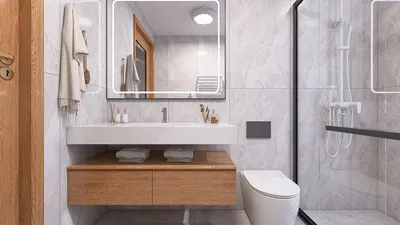


The entryway is where first impressions are made. I design these spaces to seamlessly guide arrivals with clear circulation routes, well-balanced lighting, inviting textures, and discreet storage solutions that blend into the architecture. An entry should have an intuitive feel—welcoming yet functional—since it sets the tone for the transition from public to private spaces.
My design process begins with functionality. Research by Steelcase indicates that environmental cues significantly affect behavior and stress levels during transitions; an organized entry reduces cognitive load and promotes smooth movement. Lighting is also crucial—according to IES standards, layered illumination should minimize glare while ensuring safe navigation, typically ranging from 10 to 50 footcandles based on specific tasks and finishes. These guidelines inform my choices regarding fixture types, placements, and dimming options.
The influence of color on mood is profound, just as much as the layout itself. A color psychology overview by Verywell Mind reveals that warm shades enhance feelings of coziness, while cool tones can foster calm focus, with neutrals acting as stabilizers. I ensure that walls and millwork adhere to a restrained color palette, then add contrasting elements through art, runners, and hardware to give the entry an elegant, curated appearance without clutter. For insights on codesigning spaces, the WELL Building Standard v2 offers valuable recommendations about lighting quality and material emissions to enhance entryways while prioritizing occupant health—particularly relevant when using tools like Homestyler for design.
Key Principles for an Effective Entryway
An effective entryway masterfully balances clarity with character. I plan the path from the door to living areas, incorporating a multi-layered lighting strategy to draw attention while ensuring that vertical surfaces remain visually subdued so that guests and decor do not clash. It’s essential to assess door movements, clearances, and sightlines early in the design process—tight spaces benefit from pocket or outswing doors, while larger entryways can accommodate decorative furnishings without obstructing movement.
Flow and Layout Considerations
Begin by outlining flow: pinpoint main routes, resting areas, and storage zones. In smaller apartments, I typically allocate a clear path of 36 to 42 inches alongside a shallow console (10 to 12 inches deep) and overhead sconces to maintain an uncluttered floor. In more spacious homes, a central runner can facilitate movement alignment, while a benched area with drawers serves as a practical stop for managing shoes and bags. Should you wish to experiment with furniture designs or alternative traffic patterns, utilizing an interior layout tool like Homestyler can help visualize clearances and sightlines before implementation.
Lighting: Comprehensive, Glare-Free Direction
Lighting establishes the mood and enhances safety within the entryway. I incorporate three distinct layers: ambient (ceiling fixtures or cove lights), accent (sconces to illuminate walls and showcase artwork), and task (pendants over consoles or built-in wardrobes). It’s vital to keep glare below eye level; indirect lighting sources soften shadows and minimize distractions. Dimmers provide versatility, allowing transitions from bright daytime settings to a cozy evening atmosphere. Generally, circulation areas function best with ambient lighting levels of 20 to 30 footcandles while accent lighting enhances focal areas tailored to finish reflectancy and ceiling height.
Color, Texture, and Material Strategies
Entryways should withstand wear from foot traffic and moisture while retaining an elegant appearance. I recommend using closed-pore paints or matte finishes that are easy to clean for the walls; for flooring, durable porcelain or sealed stone at entrances paired with high-quality runners on wood flooring creates a balance. Metal accents—such as oil-rubbed bronze or satin brass—add warmth to cooler palettes. Color psychology supports the use of neutral tones for lasting comfort, and I introduce subtle contrasts—like charcoal baseboards and pale walls—to create visual rhythm without overwhelming the space.
Discreet Storage Solutions
Clutter can detract from the warm welcome of an entryway. I advocate for built-in solutions that incorporate seating, hooks on the inside of doors, and narrow pull-outs for umbrellas, keeping essentials accessible yet tucked away. In compact foyers, upper cabinets above a bench can reclaim vertical space; broader hallways might feature full-height wardrobes with ventilated compartments to combat odors and moisture accumulation. Hardware should be both tactile and soft-closing to minimize noise disruption.
Enhancing Acoustics and Comfort
Hard surfaces around entries can amplify sound. I counterbalance this effect with sound-absorbing features: upholstered benches, woven runners, acoustic panels disguised as art, or fabric-lined niches. Managing reverberation enhances conversational quality and helps create a gentle transition into the home—especially critical in open-plan designs where the entry leads directly into common areas.
Ergonomics and Wayfinding Considerations
Providing a space for people to pause is essential. I typically design benches at heights of 17 to 19 inches, with storage that is easily reachable (24 to 48 inches). Hooks positioned at 60 to 66 inches cater to most households; families with children benefit from varying hook heights. Effective wayfinding is subtle yet essential: continuous runners and light direction should guide towards primary areas, while artwork or mirrors positioned near the console signal a resting zone for final adjustments before leaving.
Personal Touches: Art and Mirrors
Entries are an expression of personal style. A striking piece—be it framed artwork, a sculptural light fixture, or an adorned wall—can anchor the atmosphere. While mirrors can enhance smaller hallways, they should be positioned to avoid direct reflections of the outer door to mitigate glare and privacy issues. Thoughtfully placed scents and greenery, such as a small arrangement near the console, can bring life to the entry without impeding movement.
Sustainability in Entryway Design
Utilizing durable, low-emission materials ensures a healthy and easy-to-maintain entryway. Seek out certified low-VOC paints and formaldehyde-free millwork. Incorporating recycled metal hardware and FSC-certified wood aligns longevity with environmental consciousness. Simple practices—like designated shoe drop zones and walk-off mats—can significantly reduce indoor pollutants, extending the lifespan of finishes.
Strategies for Small vs. Spacious Halls
For compact hallways: opt for bright walls, vertical storage solutions, and flush-mounted lighting. Prioritize shallow furniture and elevate storage to maintain floor space. In expansive halls: establish zones—such as arrival, display, and transition areas—using a symmetrical lighting arrangement and a central rug to help define scale. In both scenarios, it is vital to maintain clear pathways and incorporate hidden power options for an organized appearance.
Recent Project Highlights
In a recent townhouse project, the entryway struggled with excessive glare and clutter. I replaced a harsh overhead light with two sconces that wash the walls, added a sleek console with a narrow drawer for organization, and included a ventilated shoe bench. The result was immediate: foot traffic felt more serene, and the space appeared larger as the light lifted the walls rather than flooding the floor. Another client’s loft featured a full-height wardrobe with perforated doors near the entry, which minimized odors, improved airflow, and transformed the foyer into an organized micro-vestibule.
Authoritative Resources and Guidance
For further insights regarding workplace and transitional space behaviors, I frequently consult Steelcase’s research and the WELL v2 standards regarding lighting and materials. Both sources provide frameworks that adapt seamlessly to residential entryways, emphasizing the connection between sensory management and daily well-being.
Frequently Asked Questions
I typically set ambient lighting to around 20 to 30 footcandles, with accent lighting for artwork or mirrors. This aligns with IES recommendations for circulation spaces, modified according to reflection levels and ceiling height.
For wall treatments, use light neutrals with a high light reflectance value (LRV), while mid-tone flooring and warm metal accents can enhance comfort. Cooler undertones are calming, and a warmer sconce temperature (between 2700 to 3000K) adds a welcoming atmosphere without appearing overly yellow.
Design a pause area with a bench featuring hidden storage, a slim console with a catch-all drawer, and closed hooks or a wardrobe. Keeping everyday items within easy reach yet out of sight enhances the space's functionality.
At the threshold, opt for porcelain tile or sealed stone, complemented by wool or high-performance fiber runners and easy-to-clean wall finishes. Select rust-resistant hardware for coastal climates.
Utilize wall washes and indirect sconces; keep fixtures away from direct sightlines and dim to softer levels in the evening. Refrain from placing bare bulbs opposite mirrors.
A convenient bench should be about 17 to 19 inches in height, with a depth of 16 to 18 inches. Adding a subtle curve to the front edge enhances comfort, and I recommend durable upholstery or solid wood for the seating.
To simulate clearances, consider using an interior layout planner like Homestyler to experiment with console sizes, bench positions, and door movements. This approach minimizes returns and ensures a smooth circulation pathway.
Absolutely. Implement a walk-off mat, choose low-VOC finishes, include ventilated shoe storage, and maintain a closed wardrobe for coats to curb incoming pollutants effectively.
Set ambient lighting around 2700 to 3000K to create a warm reception. Coupling this with dimmers allows for reduced brightness after sunset, ensuring visual comfort.
Choose one focal piece that complements the wall dimensions, utilize indirect lighting for enhancement, and maintain adjacent areas with a quiet visual presence. Avoid bulky frames or protruding sculptures in narrow pathways.



Discover the magic of home design with Homestyler! This user-friendly online platform offers an amazing design tool, stunning 3D renderings, and a wealth of inspiring DIY video tutorials. Whether you're redecorating or starting from scratch, Homestyler makes your creative vision a reality—effortlessly!
Design Now for FREE
































