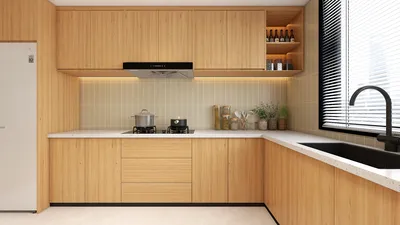


Having crafted numerous east-facing kitchens in various homes, I find that one aspect consistently attracts clients: the uplifting morning sunlight that not only brightens the space but also enhances mood and concentration, transforming the early hours into something special. However, it's crucial to recognize that in the afternoon, the light tends to cool and flatten out, particularly in winter when the area may seem colder than anticipated. To design an effective east-facing kitchen, it is essential to harmonize light, color, materials, and ergonomics according to the sun's behavior throughout the day. The WELL v2 Light principle emphasizes that access to natural light and effective glare management are essential for comfort and overall well-being, particularly in the morning, which is conveniently in line with the performance of an east-facing setup.
The quality of light influences our behavior and perception just as much as its intensity. The invigorating effect of cool morning daylight contrasts with the relaxing effect of warm light in the evenings, supporting findings from Verywell Mind regarding color psychology. For optimal task performance at counter spaces, my goal is to achieve an illumination level of 300–500 lux as a standard, with adjustments to 500–750 lux in designated prep areas using dimmable under-cabinet lighting to minimize glare.
Design Intent: Make the Most of Morning Sunlight While Reducing Afternoon Chill
East-facing kitchens capture vibrant morning light that gradually softens throughout the day; therefore, the design must reflect this natural rhythm. I opt for reflective yet low-gloss finishes near window walls to enhance the reach of daylight without creating harsh reflections. Utilizing matte or satin cabinet fronts, honed stone backsplashes, and a light-value ceiling (ideally above an LRV of 80) can meaningfully extend the morning light's effect. Around midday, I allow layered artificial lighting to take over with warm-dim fixtures adjusting from 3500K in the morning to 2700–3000K in the evening, providing a gentle transition into the night.
Layout Adjustments to Optimize Light Utilization
Positioning the main prep area between the sink and cooktop in places that receive indirect morning light, rather than direct beams, effectively reduces glare on reflective counters and prevents shadows while preparing food. For those in the planning phase, employing a layout simulation tool like Homestyler can assist in visualizing how morning sunlight interacts with your workspace. I avoid placing tall pantry cabinets at the window line, which would block incoming light, and instead prefer lower storage solutions on the radiant wall while moving height to the dimmer corners. Ideally, kitchen islands should be oriented perpendicular to the window to ensure one long side captures light, creating an appealing gradient instead of concentrated hotspots.
Countertops, Cabinets, and Finishes Optimized for Natural Light
To utilize east-facing light effectively, selecting mid-to-light toned countertops in honed quartz or matte porcelain allows for effective diffusion without the glare that polished surfaces often produce. Wooden tones ranging between 20-50 LRV provide a solid presence under the cool morning light, maintaining warmth as daylight flattens later in the day; consider options like white oak, rift-cut ash, or walnut veneers in a matte finish. For cabinets, light neutrals such as warm gray, bone, or putty keep the atmosphere airy; utilize deeper shades for base cabinets or islands where the light is less direct.
Managing Glare with Smart Window Choices
Glare during breakfast hours is a common challenge in east-facing kitchens. I recommend dual-layer window treatments: a solar screen with 3-5% openness to diminish direct sunlight while preserving the view, complemented by a soft Roman shade or light-diffusing fabric. For urban environments, a low-e coating adjusted for visible light transmission can be advantageous, especially when paired with insulating blinds to mitigate winter chill. It is essential to maintain clear sills and opt for narrow-profile mullions to maximize visible sky and lateral daylight distribution.
Lighting Strategy: From Morning to Evening Meals
A resilient lighting plan must incorporate three layers of illumination:
Incorporating dimmers for all lighting circuits allows for adjustable ambiance; lowering ambient light while amplifying task lighting can significantly enhance comfort and aligns with WELL v2 recommendations for circadian adjustment.
Ergonomics and Workflow in an East-Facing Kitchen
Optimal lighting fuels efficient movement. I position the working triangle towards the brightest area in the mornings—placing the sink near the window or island perimeter—ensuring breakfast preparation is carried out in clear light. Keeping the primary prep zone within a 4-7 ft range between the sink and cooktop, with the refrigerator just a couple of steps away fosters minimal reach and cuts down on foot traffic. A counter height of 36 in usually accommodates most users, and I recommend a 33-34 in baking zone for those who frequently knead or roll dough. For clearances, a layout simulation using an interior planner can validate that 42 in aisles (or 48 in for couples who cook together) is ideal.
Color Psychology: Bright Mornings, Warm Evenings
Cool daylight can make icy white surfaces appear sterile by noon in an east-facing room. To counterbalance this, I introduce warm neutrals along with a carefully controlled accent palette. Soft greens, muted terracotta, and wheat tones impart a sense of calm in morning light while still being cozy at night. Use bold colors on vertical surfaces that catch slanting sunlight momentarily—like pantry doors or accent walls—allowing for vibrancy at breakfast without overwhelming the space later on.
Acoustic Comfort and Material Selections
Hard, reflective finishes can make kitchens feel lively, but a busy breakfast rush could lead to excessive noise. To subtly ensure sound absorption, I incorporate upholstered counter stools, a washable flat-weave runner, felt cabinet bumpers, and potentially micro-perforated wood ceiling panels during renovations. These minor adjustments will help maintain clear communication and decrease fatigue on busy mornings.
Sustainability and Thermal Efficiency
East-facing rooms warm up quickly but can also cool down just as fast; incorporating insulation and thermal mass can help stabilize temperatures. A robust porcelain floor over suitable underlayment will store gentle warmth post-sunrise without the extreme heat fluctuations seen in west-facing areas. Induction cooktops promote lower wasted heat and improve air quality. Opting for FSC-certified wood, low-VOC finishes, and LED fixtures with replaceable components extends their longevity and sustainability.
Storage Solutions for Maximizing Light
While ultraviolet exposure is modest in the morning light, it's still prudent to store oils and spices in drawers or shaded pull-outs instead of on open shelves. Glass-front upper cabinets should be positioned away from direct sunlight to avoid glare and optical distortion; instead, place them on walls where they can catch softer lateral light.
Compact Kitchens: Strategies for Depth and Harmony
In small east-facing kitchens, I accentuate vertical lines—stacking open shelves near the windows while keeping closed storage deeper within the design. A mirrored or brushed stainless backsplash on a short return wall can reflect light sideways effectively without creating glare, provided it's maintained in a matte finish. Slim-profile islands (24–27 in) can accommodate 42 in aisles; waterfall edges in light stone provide the illusion of space without necessitating high gloss finishes.
Renovation Guide for East-Facing Kitchens
Case Study: Morning-Inspired, All-Day Functionality
In a recent project for a 12 ft x 15 ft east-facing kitchen, relocating a full-height pantry 4 ft away from the window line significantly brightened the prep area by approximately one full stop. We integrated honed quartz countertops alongside 3500K ambient light for mornings and 2700K lighting for evening scenes. A 5% solar shade helped control breakfast glare while brushed nickel hardware provided a serene look under morning sunlight. The final result: a vibrant area that invigorates at 7 a.m. and softens after dinner without feeling flat.
Frequently Asked Questions
Utilize a 3–5% solar shade to diminish direct sunlight while retaining the view, in conjunction with light-diffusing fabric for a balanced effect. Matte surfaces and brushed fixtures also help reduce glaring reflections.
Set ambient lighting around 3500K in the morning to synchronize with cooler daylight; dim to 2700–3000K in the evening for relaxing ambiance. Ensure the CRI stays at 90+ to accurately reflect food and material colors.
Opt for honed quartz or matte porcelain to minimize glare. Avoid polished surfaces directly opposite the windows to maintain a comfortable atmosphere.
Incorporate warm neutral colors (like bone, putty, and warm gray), wood tones featuring visible grain, and warm-dim lighting that adjusts to 2700–3000K as the day progresses.
Avoid placing them directly on the window wall. Concentrate height in the deeper sections of the kitchen, utilizing lower storage options near the brightest spots to facilitate deeper light penetration.
Aim for 500–750 lux at prep zones with under-cabinet lighting, maintaining general counter lighting at 300–500 lux; this adheres to commonly referenced IES task lighting standards.
Maintain 48 in aisles, provide two separate prep areas with their own task lighting, and keep the areas for trash and the sink distanced from the cooktop to minimize overlap.
Morning light is soft but should be mindful of light-sensitive items. Store oils and spices in drawers or shaded cabinets and reserve open shelves for ceramics or glassware.
Yes, use deeper colors on base cabinets or islands where light is less direct. Balance this with lighter walls and ceilings to keep the space feeling bright and open.
Solar screens paired with soft Roman shades provide adjustable control: reducing glare during breakfast, softening midday light, and ensuring privacy during evening hours.
Utilize a digital room design visualization tool such as Homestyler to experiment with layouts, cabinet heights, and daylit space distribution before making commitments.
Incorporate washable runners, upholstered seating, and soft-closing hardware; consider installing micro-perforated wood panels during ceiling renovations for additional sound control.
Homestyler is your go-to online platform for transforming your home design ideas into reality. With its user-friendly design tool, stunning 3D renderings, and a wealth of DIY video tutorials, you can effortlessly explore and execute your creative vision, making home design accessible and enjoyable for everyone!
Zaprojektuj teraz za darmo
































