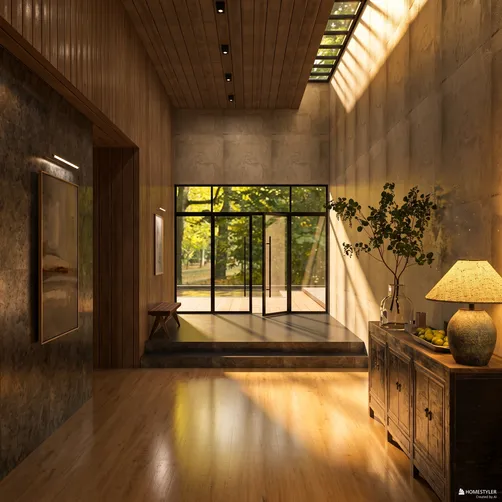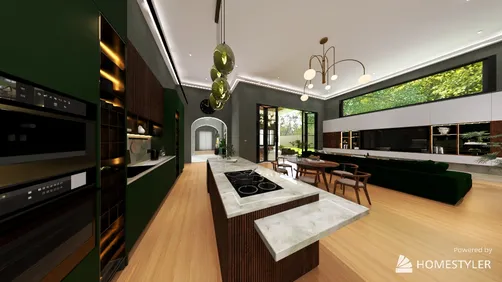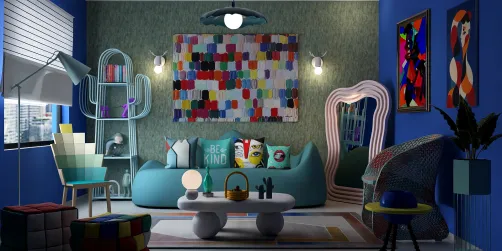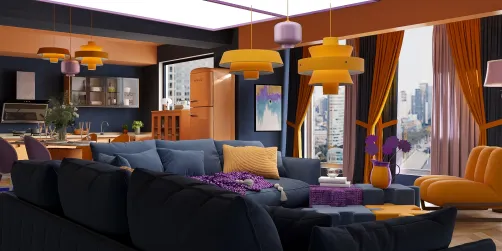



I've crafted whiskey tasting spaces in various settings, from cozy urban apartments to expansive rural homes. Effective whiskey environments always meld sensory comfort with genuine personal narratives. Your DIY whiskey room doesn’t need to be large or costly; what matters is a deliberate layout, appropriate lighting, and materials that enhance the ritual and aroma. Begin by clarifying the room's purpose: whether it's for intimate tastings alone, lively gatherings with friends, or an archive showcasing your prized collections. This intent will influence everything from seating arrangements and acoustics to storage options and the flow of movement within the space.
The lighting is crucial in setting the ambiance and protecting your collection. The IES recommends that residential ambient lighting be around 10–20 footcandles (approximately 100–200 lux) for relaxation, while task areas—like where you pour or cut—should have 30–50 footcandles (approximately 300–500 lux) to ensure safety and clarity when reading labels. Combining this with guidance from the WELL Building Standard focuses on glare reduction and visual wellbeing through layered lighting and consistent color temperatures. I prefer using warm 2700–3000K LED lights with a high Color Rendering Index (90+) on display shelves to keep labels vibrant while preventing UV damage, positioning accent lights slightly forward of the bottles to eliminate glare hotspots.
Establish Your Tasting Ritual
Your tasting ritual should dictate how the space is organized. If you often entertain, aim for a simple triangular layout that includes a prep counter equipped with a sink and bar tools, a tasting table set at a comfortable height (28–30 inches for seated tastings), and a library for your bottles that’s easily accessible. For solitary reflection, anchor the room with a plush lounge chair paired with a side table positioned 18–22 inches from the seat to ensure glass stability. In designing compact areas, I utilize the Homestyler tool to simulate layouts and test clearances, aisle widths, and sightlines—especially beneficial for confined apartments.
Light, Color, and Atmosphere
Creating warmth is essential. Research on color psychology by Verywell Mind indicates that warm tones like amber and deep browns can enhance feelings of comfort and coziness, fostering a better tasting experience. I steer clear of overly vibrant reds, as these can skew the perception of whiskey colors. Maintain a consistent color temperature between 2700–3000K and incorporate dimming options for late-night tastings. Layer your lighting into three categories: ambient (cove or ceiling lights), task (under-shelf or directional lamps), and accent (backlighting or spotlighting prized bottles). Ensuring good glare control is a must; using frosted diffusers and soft lighting ensures a pleasant experience.
Ergonomics and Storage Solutions
Effective storage keeps your bottles secure and within reach. Shelving at heights of 36–60 inches is ideal for your most frequently accessed bottles, while heavier decanters should be situated 24–36 inches high. Allow for a 30–36 inch pathway for ease of movement. A label-forward display enables easy selection, while adjustable shelving accommodates bottles of varying heights. I prefer to use closed cabinets for rare bottles to minimize light exposure and maintain their integrity. A pull-out tray for glassware also eases access and reduces noise during use.
Acoustic Comfort for Tastings
A well-balanced acoustic environment enhances flavor perception by minimizing distractions. Soft materials—like wool rugs, upholstered furniture, and textured wall panels—can significantly lower sound reverberation in smaller rooms. Aim for a soothing sound atmosphere with a low volume of light jazz, cork pads under decanters, and felt-lined drawers. If entertaining, position speakers away from the tasting area to provide ambient sound without direct interference.
Choosing Materials: Authentic, Durable, and Sensory
The materials you select should enrich the olfactory experience without off-gassing. Solid woods such as oak or walnut reflect whiskey's rustic charm and improve with age. Leather contributes a tactile richness; consider semi-aniline finishes for durability and a beautiful patina. For your bar counter, opt for honed stone or treated wood to prevent glare and residue. Prioritize sustainable options—such as FSC-certified woods and low-VOC finishes—that help maintain air quality during extended tasting sessions.
Temperature and Bottle Preservation
While whiskey does not require the same sensitivity as wine, consistency in storage conditions is crucial. Aim to maintain a temperature range between 60–70°F (15–21°C) and a humidity level of 40–50% to safeguard cork integrity and labels. Keep bottles away from direct sunlight, as UV can degrade labels and certain bottle closures. For long-term cellar storage, bottles should remain upright when capped with corks, and it’s wise to periodically inspect seals. A small, quiet fan can help circulate air without causing drafts over your tasting space.
Seating and Spatial Layout
For space-conscious rooms, a 60/40 ratio, dedicating 60% to displays and storage and 40% to seating and preparation, generally works well. In larger setups, you might reverse this for socialization purposes. Ensure seating heights are consistent: counter stools should be 24–26 inches for 36-inch counters, while bar stools need to be 28–30 inches for 42-inch bars. Maintain at least 24 inches of space per guest at the tasting table, allowing for comfortable elbow room and proper glass placement, and consider using a subtle centerline to align placemats, drams, and water carafes to create a harmonious visual flow.
Showcasing and Narrative Creation
The most captivating whiskey rooms narrate a personal tale. Curate your collection by region, cask finish, or vintage, and enhance this display with context—handwritten notes, distillery maps, and your tasting journals. Consider employing shadow boxes for special corks and labels, and ensure that the lighting gently illuminates your displays rather than overwhelming them; angle your fixtures 30–45 degrees to mitigate glare. Dedicate a shelf for your glassware—such as Glencairns, copitas, and rocks glasses—alongside a tray for droppers and pipettes.
Bar Tools and Workflow Optimization
Adopt a minimalist toolkit consisting of a jigger, bar spoon, mixing glass, citrus peeler, fine strainer, and a dependable corkscrew for experimenting with diverse finishes. Organize your drawers by task—prep, pouring, and cleanup. Ensure that a small waste basket and towel drawer is conveniently located near the sink. If cocktails are included in your rituals, reserve an 18-inch prep area adjacent to the sink and set up an ice station just a step away, ideally in an undercounter freezer or insulated drawer.
Ensuring Safety, Ventilation, and Compliance
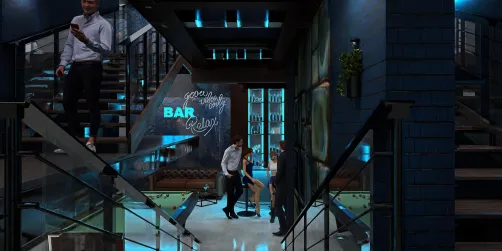
Even compact whiskey tasting spaces greatly benefit from effective ventilation. Employ a quiet, low-sone exhaust fan or a specialized air return system to refresh the area after gatherings. Have a Class B fire extinguisher accessible, and steer clear of open flames near spirits. Electrical outlets should be GFCI-protected, especially in wet zones. If you’re aiming for a speakeasy feel with dim lighting, incorporate step lighting to aid safe movement throughout the room.
Affordable DIY Enhancements
Fresh paint and thoughtful lighting can significantly transform your space. Choose subdued hues like tobacco brown, soot black, or moss green, and incorporate dimmable warm LED lights. Set up simple picture ledges for displaying bottles, replace regular switches with dimmers, and add cork coasters for a touch of warmth. Utilize framed prints—like distillery sketches or barrel diagrams—to decorate walls without heavy frameworks.
Simulating Layouts for Smaller Spaces
In smaller dwellings such as apartments and attics, the layout is paramount. Use an interior layout planner like Homestyler to visualize arrangements that optimize flow and minimize congested areas around the bar. Ensure doorways remain unobstructed, avoid deep shelves that could block main circulation paths, and angle seating so that conversation lines don't intersect your preparation zone.
Key Design Trends for 2024–2025
Trends worth incorporating include layered warm lighting with unobtrusive smart dimming options, mixed wood finishes for added visual interest, and acoustic textiles that also serve as artistic decor. Integrating micro-sinks, compact ice drawers, and concealed storage keeps surfaces tidy. Utilize digital tasting logs on tablets or e-ink displays to monitor flights without cluttering your space.
Quick Room Checklist
- Warm 2700–3000K lighting with a high CRI
- Adjustable shelves placed at heights of 36–60 inches
- Dimmable lighting layers for ambient, task, and accent purposes
- 30–36 inch pathways to ensure comfortable movement
- Textured materials such as wood, leather, and wool
- Adequate ventilation and a compact fire extinguisher
- Clear 18-inch preparation zone adjacent to the sink
- Displays organized with a focus on storytelling and labels prominently featured
FAQ Section
Q1: What lighting levels are ideal for a whiskey room?
A1:ambient lighting should be around 100–200 lux, while task lighting should be within 300–500 lux, consistent with IES recommendations for residential comfort and effective handling. Utilize 2700–3000K LEDs with high CRI to accurately reflect both the label and liquid colors.
Q2: How can I prevent glare on my bottle labels?
A2: Position accent lights at an angle of 30–45 degrees, employ diffusers, and place the lights slightly forward of the bottles. Opt for matte finishes on walls and surfaces to reduce reflections.
Q3: Which colors improve focus during tastings?
A3: Warm but muted tones such as amber, tobacco brown, and deep greens foster a cozy embrace. Studies in color psychology indicate that warm shades enhance comfort, which aids concentration and enjoyment.
Q4: Is controlling humidity essential for my whiskey?
A4: Target a relative humidity of 40–50% to protect cork integrity and labels. Too dry conditions may lead to cracked labels, while excessive moisture can promote mold growth. Further, maintaining a stable temperature between 60–70°F is crucial.
Q5: What materials are safest for preserving aroma?
A5: Solid woods, leather, low-VOC finishes, and honed stone minimize off-gassing and undesirable odors, contributing to a clean tasting environment.
Q6: How much space should I allocate per guest at the tasting table?
A6: Ensure at least 24 inches of space per person for easy access to water and droppers. Also, maintain circulation pathways of 30–36 inches around the table.
Q7: What’s the best approach to organizing a growing collection?
A7: Group items by region or cask type, and use label-forward shelving. Store rare bottles in closed cabinets away from light. Adjustable shelving is beneficial for accommodating bottles of varying sizes.
Q8: Is specialized ventilation required?
A8: Yes, employing a quiet exhaust fan or a dedicated return system keeps the air fresh after tastings. Avoid strong scents, such as candles, near glassware; gentle ventilation preserves aroma accuracy.
Q9: Can smart controls enhance my tasting experience?
A9: Absolutely—smart dimmers allow for customizable scenes during tastings as well as cleaning time. Keep consistent color temperatures throughout fixtures to avoid visual strain.
Q10: What types of seating are ideal?
A10: Consider upholstered lounge chairs for focused tastings, or counter-height stools that match your bar. Ensure side tables are placed 18–22 inches from the seats for optimal glass placement and stability.
Originally incubated at Autodesk, Homestyler has grown into one of the most widely adopted home design platforms in the world, now trusted by over 20+ million registered users (platform data, 2026). Whether you're a homeowner exploring ideas or a professional designer delivering client-ready renders, Homestyler brings industry-leading 3D technology to your fingertips — no experience required.
Homestyler is your go-to online home design platform! With its user-friendly design tool, stunning 3D renderings, and a wealth of DIY video tutorials, you can effortlessly create and visualize your dream space. Transform your ideas into reality today!
立即免费设计