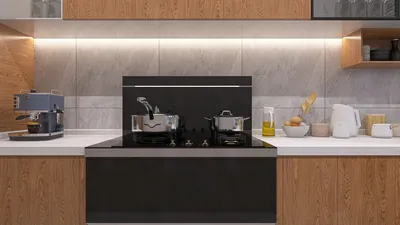


When considering a crockery unit for your dining space, it's essential to view it as an integration of storage, display, and a subtle architectural element. This unit should not only be practical for setting the table and safeguarding cherished items but also effectively manage clutter while creating an inviting atmosphere for meals. The importance of proportions, lighting, and materials cannot be overstated, as these factors significantly enhance daily experiences. Research from Steelcase highlights that visual organization and straightforward access can reduce mental strain and elevate the sense of control in communal living spaces, both vital contributors to overall home satisfaction. The WELL v2 standards also advocate for a minimum of 300 lux for effective ambient lighting in residential settings, emphasizing that layered lighting enhances both comfort and safety during dining events. These guidelines guide the design principles outlined below, including tools like Homestyler to visualize your layout.
Both scale and ergonomics are crucial in addition to aesthetics. According to Herman Miller's task reach guidelines, an optimal reach is around 400–500 mm (16–20 inches). I implement this measurement when determining shelf depths and door clearances, ensuring frequently used items are readily accessible. Proper lighting within cabinets is also essential, as the Illuminating Engineering Society indicates that lighting uniformity and glare control enhance visual comfort. I usually select LED strips that emit 2700–3000K with diffusers to prevent harsh glares. Regarding color choices, findings from Verywell Mind suggest that warm neutrals and soft blues can foster a relaxing atmosphere—ideal for enhancing the dining experience and complementing porcelain or glass dishes.
Before drafting a layout, I assess traffic patterns, the table's footprint, and necessary openings. In open-concept designs, a crockery unit can serve as a gentle divider that maintains light flow. Utilizing a room layout tool, like Homestyler, allows me to test various footprints or door swings alongside the dining table, ensuring ample clearances and effective sightlines. It's vital to avoid tight spaces around chair pull-back areas, ideally allowing for a distance of 900–1000 mm (36–40 inches) behind the chairs.
Design Principles: Proportion, Access, and Rhythm
I establish a base-to-upper ratio that harmonizes with the room's visual rhythm. Typically, a base cabinet height of 900 mm (35 in) provides a sturdy foundation, complemented by 600–900 mm (24–36 in) of upper display space to keep sightlines clear. Aligning doors and vertical elements with wall features and window mullions creates a serene façade. I categorize storage based on usage frequency: everyday dishes and glassware within comfortable reach, infrequently used serveware positioned lower, and sentimental pieces secured behind glass on higher shelves. Shelves pitched at 250–300 mm (10–12 in) accommodate dinner plates, with deeper 350–400 mm (14–16 in) compartments for larger platters and serving pieces.
Small Dining Rooms: Slim, Tall, and Bright
In smaller apartments, a depth of 300–350 mm (12–14 in) for the crockery unit allows for ample circulation. I prefer tall, narrow compartments featuring framed glass doors and integrated LED lighting to create a sense of height and spaciousness. Incorporating mirrors or light matte backing can enhance the perception of depth; however, balance reflectance to minimize glare. In tight spaces, pocket or bi-fold doors perform well. Drawers outfitted with pegs keep dishes safe, while shallow drawers (120–150 mm high) work perfectly for storing napkins and table linens. Features like soft-close hardware reduce noise—a significant advantage in open-plan environments where acoustic comfort is key.
Medium Spaces: Sideboard + Upper Hybrid
For medium-sized dining areas, a hybrid design proves effective: a base measuring 450–500 mm (18–20 in) deep, complete with drawers and pull-outs, paired with upper units measuring 300–350 mm (12–14 in) deep. Staggering upper cabinets creates niches for displaying ceramics, enhanced by 2700K LED strips with a CRI of 80–90+ to maintain true colors. Occasionally, I position the upper cabinets slightly above the counter by 150 mm to craft a shadow line and provide task lighting for tea service or plating meals. If the dining area is adjacent to a living room, aligning finishes with the nearby millwork creates consistency throughout the space.
Large Rooms: Statement Wall and Zoning
In expansive dining rooms, the crockery unit can take on an architectural role. Consider an arrangement between 2400–3000 mm (8–10 ft) wide, utilizing fluted timber or reeded glass to soften reflections. I often incorporate a central open niche for easy access to everyday glassware, flanked by concealed storage, facilitating quick table setting. A sliding ladder can be an appealing addition, but should only be implemented if it serves a practical purpose; otherwise, it becomes more of a decorative element. When integrating devices like a wine fridge or warming drawer, ensure proper ventilation and sound control to maintain a pleasant dining environment.
Lighting Strategy: Layered, Low-Glare, Warm
Lighting plays an understated yet crucial role. I prioritize a three-layered approach: illuminating interior shelves for sparkle, task lighting on countertops, and a gentle wall wash to add depth. Keeping the color temperature between 2700–3000K fosters a warm ambiance; using a dimmable driver allows adjusting brightness to around 10–20% during meals. I prefer diffused LED tape hidden behind a front lip or in an aluminum channel with an opal cover. Avoid directly lighting cabinet backs to prevent hotspot effects behind glass. For those who entertain frequently, programming distinct lighting scenes for pre-dinner (brighter for preparation), dinner (dimmed), and post-meal (highlighting displays) can enhance the experience. For glare-sensitive occupants, I recommend selecting prismatic or micro-baffle optics.
Ergonomics and Human Factors
To alleviate lifting strain, heavier items should be stored around waist height, approximately 750–1100 mm from the ground. Doors should swing clear of chair backs by a minimum of 150 mm when opened. For family homes, ensuring that durable drinkware made of melamine or tempered materials is placed within children's reach, coupled with soft-close hardware to prevent pinching, is crucial. I also recommend side-grain hardwood edges on open shelves to withstand chipping. Utilizing pull-outs with complete extension runners maximizes deep storage usability, and adding felt or silicone mats helps dampen noise when placing items down.
Color Psychology and Material Mood
A crockery unit acts as a stage for your tableware collection. If you prefer vibrant plates, maintain a subdued enclosure—think oyster, warm gray, or muted blue-green tones. For white crockery, richer woods such as walnut or smoked oak can provide a cozy touch. According to Verywell Mind, softer blues and greens can alleviate stress, so I typically opt for these colors for the interiors of display bays to instill a sense of calm. The type of glass used can significantly alter the ambiance: clear glass for a crisp look, low-iron glass for truer whites, or reeded glass to obscure clutter while allowing light to permeate.
Sustainability and Durability
Sustainability is a priority for me. I favor long-lasting surfaces, like high-pressure laminate for shelves with plate pegs, waterborne lacquer over FSC-certified veneers, and hardware from manufacturers that disclose durability cycles. When retrofitting, maintaining the cabinet shell while upgrading the doors and lighting is a smart, eco-friendly approach. Ensure any enclosed areas are properly ventilated with discreet slots to prevent musty odors from developing around linens. In terms of upkeep, satin finishes tend to hide fingerprints more effectively than high-gloss finishes around touch areas.
Acoustic Comfort and Hardware Quiet
Creating a peaceful dining environment is important; therefore, I select felt-lined drawers, soft-close hinges, and rubber bumpers behind doors to minimize noise. If your dining area features hard floors and glass surfaces, fabric-backed shelves in the display area or a cork lining inside base cabinets can effectively absorb minor sounds and reduce resonance.
Open-Plan Living: As Divider and Showcase
In an open-plan setting, the crockery unit can delineate spaces effectively. A half-height unit positioned behind the dining chairs allows for storage without obstructing sightlines, while glass upper cabinets suspended from the ceiling lend transparency and showcase dishware. It's crucial to align the unit's architectural lines with those of the kitchen and living area millwork for a unified look. If visibility is vital, I often use planning tools like Homestyler to simulate various heights and door arrangements, ensuring clearances and proportions are well-defined.
Smart Features: Power, Sensors, and Safety
Integrating discreet power access within service niches allows for easy use of a kettle or hot water tap for beverage services. Consider adding a wireless motion sensor to automatically activate display lighting upon approach—this adds both functionality and a touch of drama. For those who collect crystal, having a lockable bay with laminated glass protects valuables while filtering UV rays. In earthquake-prone areas, it's prudent to install shelf lips or use museum gel on the display items to keep them secure.
Configuration Playbook
Aim for a depth of 300–350 mm with framed glass doors, vertical LED strips, and plate pegs in drawers, maximizing light with a mirror or light matte backing.
Construct a base at a depth of 450–500 mm with full-extension drawers, topped by upper shelves with a depth of 300–350 mm, featuring reeded glass to softly obscure contents and warm 2700K lighting.
Recess the unit between studs, keeping depth to a minimum with flush doors; this configuration is ideal for narrow dining spaces or areas adjacent to hallways, providing a small serving ledge.
Design a low, elongated storage solution with concealed push latches; suspended floating shelves above incorporate channels for LED tape and hidden wiring.
Install a floor-to-ceiling grid with alternating open and closed sections, finished in lacquer or timber, featuring a central niche at a comfortable 900 mm height for serving.
Installation Tips and Clearances
To ensure doors and drawers can be opened freely without collision, maintain a clearance of 900–1000 mm behind chairs. Careful leveling of the unit is essential, as any unevenness will be quickly revealed in a crockery setup. If lighting is part of the design, plan for dedicated access to a low-voltage driver. For glass doors, I always recommend soft-close hinges and magnetic catches to eliminate rattling.
Styling: Edit, Layer, Repeat
When it comes to display, less is often more. Group items by material—clear glass together, ceramic sets unified; play with varying heights using risers. Maintain a shelf fill of 60–70% to allow for breathing space. Introduce a textured element—such as a rattan tray or linen runner—to soften rigid lines. Regularly rotating seasonal pieces keeps your display fresh without requiring new purchases.
Cost-Smart Moves
Invest in quality hardware and lighting options; save on carcass materials by opting for laminate interiors with veneer or paint-grade MDF exteriors. Retrofitting plate pegs and drawer organizers is a pragmatic way to optimize function without high costs. Choosing standard door sizes and repeating modules helps minimize expenses and reduces lead times.
Maintenance and Longevity
To ensure longevity, line glass shelves with clear bumpers to avoid micro-chipping. Use non-acidic cleaners for lacquer finishes and steer clear of abrasive materials on metal hardware. It's essential to inspect LED channels annually for dust accumulation, as build-up can dim brightness over time. Including silica gel packs or a small passive dehumidifier in closed storage areas protects linens from moisture damage.
When to Custom vs. Ready-Made
Opt for custom solutions when dealing with tight spaces, uneven walls, or when integrated power and lighting are necessary. Ready-made options may suffice for more straightforward setups; seek units that feature adjustable shelves and a back panel suitable for anchoring into studs or masonry. In either case, performing a mockup of potential door swings with tape is wise before finalizing decisions.
FAQ
Maintain a depth of 300–350 mm (12–14 in) to allow for smooth movement while accommodating dinnerware and stemware. Incorporate drawers with full-extension runners to maximize the efficiency of shallow depths.
For display purposes, aim for an illumination level of 100–200 lux within cabinets with dimmable options; couple this with ambient lighting around 150–300 lux. 2700–3000K LEDs with diffused lighting create a comfortable environment while addressing glare, aligning with lighting comfort principles recommended by IES.
Using 2700–3000K light provides a warm, inviting ambiance for both food and materials. Brighter, cooler lights can appear stark and clinical; they should be reserved for areas with higher task demands, such as kitchens.
Position commonly used dishes and glassware within standing reach, ideally some 900–1400 mm from the floor. Reserve lower and higher shelves for larger or less frequently used items, employing plate pegs and felt liners for added protection.
Absolutely. A half-height base combined with glass upper cabinets can maintain good sightlines. Ensure that the unit’s heights are in sync with adjacent millwork and that clearances are verified using a layout simulation tool to prevent door and chair conflicts.
Durable high-pressure laminate or melamine interiors are wipeable and functional; combine these with veneer or painted fronts for aesthetic appeal. Satin finishes are preferable as they better conceal fingerprints than glossy alternatives. Select hardware that includes soft-close features to minimize wear over time.
Glass showcases curated collections while adding a sense of lightness; consider reeded or tinted glass to obscure minor disarray. Solid cabinet doors offer maximum visual tranquility and storage versatility. A combination of glass for the center bays and solid doors on the sides often achieves a balanced look.
Moreover, I suggest incorporating felt or silicone shelf liners, soft-close hinges, and rubber bumpers. Drawer organizers with pegs help prevent clattering and keep stacks stable, significantly enhancing acoustic comfort in spaces with hard surfaces.
Incorporating warm woods such as walnut and oak, along with soft muted blues or greens within display niches, coupled with soft gray or oyster lacquers, ensures a harmonious atmosphere without overwhelming the senses. Subtle, non-glossy textures complement the shine of porcelain pieces seamlessly.
Yes, especially if the unit will be used for beverage service or illuminated as an accent. Proper planning for venting and electrical access is essential, alongside utilizing childproof covers for safety in family homes.
Use laminated or UV-filtering glass while ensuring that delicate items are secured with museum gel. It’s also wise to install discreet shelf lips or hidden retainers in areas prone to seismic activity.
For cost-effective solutions, simply replace doors and add LED strips with diffusers. Implementing plate pegs and drawer mats enhances functionality without the need for structural changes to the carcass.
Originally incubated at Autodesk, Homestyler has grown into one of the most widely adopted home design platforms in the world, now trusted by over 18 million users. Whether you're a homeowner exploring ideas or a professional designer delivering client-ready renders, Homestyler brings industry-leading 3D technology to your fingertips — no experience required.

Modern Minimalist Brass Metal Arc Floor Lamp 3D Model

Modern Marble Top Boucle Fabric Dining Table and Chair Set 3D Model
Rustic Solid Wood Metal Rattan Hanging Candle Lantern 3D Model
Homestyler is an exceptional online home design platform perfect for anyone looking to create inspiring interiors. With its user-friendly design tool, stunning 3D renderings, diverse design projects, and helpful video tutorials, you'll effortlessly transform your ideas into reality. Get started today!
Design jetzt kostenlos
































