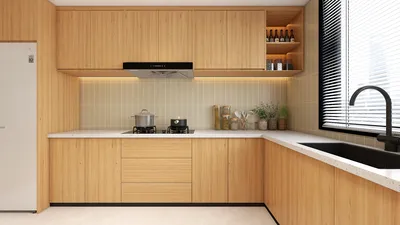


Conference rooms hold greater significance than their size might imply. My approach to designing these spaces focuses on enhancing decision-making quality, expediting collaboration, and minimizing fatigue. By carefully adjusting factors like lighting, acoustics, layout, and materials, teams can engage more effectively and think more clearly. Supporting evidence from Steelcase indicates that rooms designed for diverse collaborative modes—such as presentation, co-creation, and hybrid setups—experience increased participation and fewer interruptions. Furthermore, I integrate WELL v2 standards to ensure optimal light, air, comfort, and mental focus, tailoring environments to foster human-centric experiences using tools like Homestyler for design visualization.
My initial focus is on lighting. I adhere to IES recommendations for illumination levels in meeting spaces, targeting between 300 and 500 lux for general activities, and adjusting to 150-300 lux for screen usage. I maintain a correlated color temperature around 3500–4000K to promote alertness without causing glare. The WELL v2 Light concept underscores the necessity of circadian-friendly environments, managing brightness and glare effectively, which helps attendees stay attentive during extended discussions. Color choices are informed by insights from VerywellMind regarding color psychology; I opt for muted blues and greens to foster tranquility and cognitive endurance, steering clear of vibrant reds behind speakers to keep heart rates stable and maintain focus on content.
Plan for Intent, Not Just Space
The dimensions of rooms align with expected meeting dynamics. For sessions requiring significant decision-making with groups of six to eight, I prefer using rectangular tables (900–1000 mm wide) to accommodate laptops and documents while preserving sightlines. For workshops, a versatile table system can be reconfigured into various setups, like U-shape or grouped pods, in a matter of minutes, facilitating collaborative activities and rapid breakouts. My planning process includes testing several seating arrangements and camera placements using a room layout tool to visualize sightlines and ensure unobstructed views.
Comfortable seating is essential. Research from Herman Miller indicates that varying posture is crucial for prolonged concentration. I select chairs featuring synchronized tilt, adjustable lumbar support, and various seat depths for accommodating both taller and shorter team members, ensuring neutral spine alignment during meetings lasting from 60 to 120 minutes. Armrests are designed to clear table edges to prevent shoulder strain, with table heights optimally set between 680 and 730 mm based on chair specifications.
Technology and Visibility for Hybrid Meetings
Hybrid meetings require careful placement of cameras. A single front-facing camera can diminish presence, which is why I employ dual cameras—one positioned at eye level in the center and another angled at 45° to capture discussions and whiteboard interactions effectively. Displays should be set with their top third at the eye level of seated participants. For rooms catering to 8-10 attendees, I recommend utilizing screens ranging from 75 to 86 inches and maintaining an optimal viewing distance of 1.4–1.7 times the screen size to reduce eye fatigue. Effective cable management is pivotal; hiding cables under tables and using floor boxes keeps pathways clear and minimizes tripping hazards.
Microphone systems with beamforming assist in isolating voices; although ceiling microphones can be effective, table microphones generally provide better sound amplification for quieter speakers. I enhance audio quality by pairing these systems with acoustic panels positioned at first reflection points, along with a low-noise HVAC system maintaining levels of NC 25–30 in meeting areas to avoid overwhelming voices. For enhanced privacy, laminated glass with acoustic interlayers is utilized, while solid partitions achieving STC 50+ are preferred where confidentiality is paramount.
Sound Control: Minimizing Echo and Disruption
I aim for a reverberation time of 0.4–0.6 seconds in mid-sized rooms, which involves balancing ceiling absorption (NRC ≥ 0.70), wall panels, and textile elements. Although rugs contribute, they seldom suffice on their own. I vary the thickness of acoustic panels to target speech frequencies (250–4000 Hz) and use slatted wood or micro-perforated surfaces to create diffusion while preserving the room's character. Sound masking solutions placed outside the room help shield conversations from being overheard in corridors, maintaining confidentiality.
Material Selections That Perform Well
I prioritize durable, low-VOC materials that promote air quality and overall wellbeing (aligned with WELL v2 guidelines). Matte laminate or super-matte finishes like FENIX on tabletops help reduce glare and minimize fingerprints. Chairs made with high-performance textiles enduring over 100,000 double rubs are ideal for spaces with frequent turnover. I opt for neutral wall colors with a single accent panel to highlight the presenter area; an excess of contrasts can elevate cognitive load. Sustainability considerations are crucial—acoustics made from recycled materials and FSC-certified wood are integral to brand messaging while ensuring performance doesn't suffer.
Light Layering: Flexibility for Diverse Workflows
I employ three lighting types: general ambient, task lighting around the table, and vertical illumination for participants' faces. Vertical lighting enhances image quality and visual appeal—approximately 150–250 lux on faces ensures natural skin tones are rendered accurately. The ability to dim lights and adjust color temperatures allows transitions from focus-driven sessions (4000K) to client evaluations (3500K) and brainstorming (3700K with elevated ambient light). Controlling glare is imperative; hence, I use indirect lighting fixtures positioned strategically above or linear lights with shielding angles greater than 30°, supplemented by wall washers to accommodate camera requirements.
Design Flow and Aesthetic Appeal
The rhythm of space influences attention. I orient the long side of tables towards primary displays and align chairs with sightlines, ensuring no seat is directly facing obstacles like columns or doors. Storage units, credenzas, and boards are strategically placed along secondary axes. For spaces intended for workshops, I pre-design circulation paths wide enough for two individuals to pass (minimum 1000–1200 mm) while ensuring whiteboards remain accessible without obstructing camera lines. In scenarios requiring flexibility, utilizing a layout planner such as Homestyler aids in simulating traffic flow and accessibility before finalizing furniture orders.
Understanding Behavior and Meeting Dynamics
Team dynamics are influenced by spatial arrangements. A narrow tabletop fosters linear discussions, while a boat-shaped table alleviates hierarchical impressions and enhances peripheral visibility. Color choices subtly impact cognition: cooler shades on the perimeter impart calmness, and a warm accent near collaboration spaces ignites energy. Keeping visual distractions minimal behind presentational areas maintains cognitive focus on content. Incorporating quiet zones adjacent to conference rooms facilitates pre-meeting preparations and provides decompression areas afterward.
Consideration for Accessibility and Human Factors
Maintaining proper clearance is essential for dignity and access. I allow at least 900 mm between table edges and walls for comfortable movement, increasing this to 1200 mm when frequent catering or equipment setups are anticipated. Cable access points should be easily reachable without excessive stretching, ideally within the 500–750 mm reach range. Contrast on floor transitions aids those with visual impairments, while lever handles are preferred over knobs to reduce strain. Implementing silent door closers mitigates acoustic disturbances during calls.
Emerging Trends for 2024-2025
Three significant trends are shaping my designs: 1) Rooms engineered for hybrid environments equipped with multi-camera setups and vertical face lighting; 2) softer, residential-style finishes that offer emotional comfort without sacrificing professionalism; 3) transparency in sustainable practices, as clients increasingly seek upfront documentation of VOC levels and acoustic performance. Modular setups that can transition swiftly from formal meetings to workshops in less than five minutes are becoming the norm, supported by quick-release connectors and stackable mobile whiteboards.
Testing and Refinement Processes
Prior to committing to designs, I prototype key meeting spaces. Using a room design visualization tool like Homestyler, I can validate critical aspects such as sightlines, seating arrangements, and lens distortions. Throughout pilot evaluations, I actively collect participant feedback regarding speech clarity and screen visibility, making minor adjustments—whether it’s repositioning a light source by 300 mm, altering chair upholstery, or adding a single diffuser—often results in significant improvements. The overarching aim is straightforward: to facilitate smoother interactions and a trustworthy environment for high-stakes conversations.
Frequently Asked Questions
For blended tasks, I aim for ambient illumination levels between 300–500 lux and 150–300 lux focused on screens. Maintaining facial illuminance at around 150–250 lux is crucial for compatibility with camera setups, following guidance from IES and WELL v2 standards.
Rectangular tables are best suited for presentation-centric sessions, while boat-shaped designs promote a more egalitarian atmosphere and enhance visibility. For workshops, modular tables flexible enough to form U-shapes or clusters provide the most versatility.
Target a reverberation time (RT60) of 0.4–0.6 seconds. Utilize a combination of absorptive ceiling materials (NRC ≥ 0.70), wall panels, and diffusive features like slatted wood to ensure a balanced acoustical environment, retaining some reflective qualities for speech clarity.
In terms of seating, features like adjustable lumbar support, synchronized tilt, seat depth customization, and proper armrest elevation under tables are vital for accommodating posture differences and minimizing shoulder strain during extended meetings.
For optimal hybrid meeting experiences, I recommend dual cameras (one at eye-level and another at a 45° angle), ensuring good vertical face illumination, positioning microphones in proximity to speakers, and placing display screens so the top third aligns with eye level. Thoughtful cable management enhances both safety and visual coherence.
Utilizing laminated glass with acoustic interlayers greatly enhances sound isolation. For highly confidential meetings, partitions with STC ratings of 50 or higher are essential, along with considering external sound masking to maintain discretion.
Incorporating muted blues and greens promotes calmness and focus. High-saturation reds should be avoided in presenter backdrops as they can lead to increased physiological arousal. Warm accents are best reserved for stimulating collaboration zones.
Design spaces that allow for a minimum of 1000–1200 mm between pathways in preparation for workshops while maintaining 900 mm around table edges for comfortable movement during regular use.
For settings accommodating 8-10 individuals, screens measuring 75-86 inches are typically effective. Maintain a viewing distance that is 1.4 to 1.7 times the diagonal measurement of the screen to minimize eye strain and ensure readability.
I favor indirect pendant lights, shielded linear fixtures with angles greater than 30°, matte finishes on tables, and wall washers to mitigate contrast issues. Dimmer switches significantly enhance adaptability of lighting in relation to various content types.
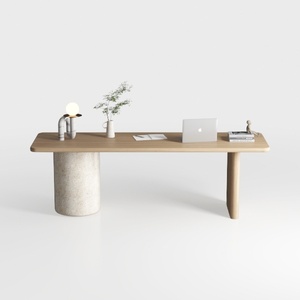
LITTLE TREE 62-Inch Home Office Computer Desk, Lar


Ergonomic Gaming Task Chair High Back Executive Of
Homestyler is your go-to online home design platform, perfect for creating stunning spaces. Its user-friendly design tool, impressive 3D rendering capabilities, and a wealth of DIY video tutorials make it easy to visualize and execute your interior design dreams. Start creating today!
Design Now for FREE
































