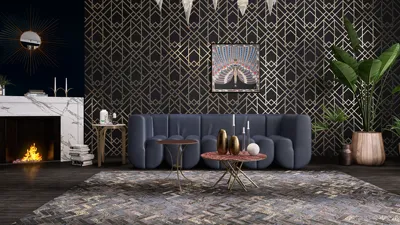


I have constructed numerous small tables, including coffee stands, laptop workstations, and breakfast spots—each designed to fit snug spaces and accommodate daily activities. A successful compact table combines sturdy craftsmanship with dimensions that prioritize human use. Research from Herman Miller suggests that furniture with proper proportions can reduce physical strain and enhance comfort; for most adults, desk heights around 28–30 inches foster a neutral posture, which is ideal for small tables used for various purposes. Additionally, Steelcase has found that appropriately sized surfaces, typically 18–24 inches in depth for lighter tasks, can lessen strain and back pressure, particularly in limited spaces.
Besides comfort, the selection of materials and lighting also plays a crucial role. The WELL Building Standard v2 highlights the importance of visual comfort and glare management, advocating for light levels between 300–500 lux in work areas. Warmer color temperatures around 2700–3500K contribute to a homely feel in residential environments. A compact table positioned by a window, combined with a matte finish, will help manage glare and reduce visual fatigue. In my designs for multi-functional tables, I generally adhere to dimensions of 20–24 inches in depth, 28–30 inches in height, and 24–36 inches in width to maintain a slim profile while ensuring adequate knee space and surface usability.
Designing the Table: Dimensions, Purpose, and Proportions
Begin with purpose. Will this table serve for laptop use, coffee, or solitary dining? A compact surface typically measures between 20–24 inches deep. For a coffee table at perch height, aim for 16–18 inches tall; for a small dining table or workstation, 28–30 inches is preferable. Achieving visual harmony involves consistent leg-to-top ratios; legs generally appear balanced at 1.25–1.75 inches thick for wood constructions of this size, with aprons measuring 2–3 inches. To visualize effective movement in a compact room, utilizing room planning tools like Homestyler can facilitate circulation design before you start cutting your materials.
Material Selection: Timber Types, Finishes, and Eco-Friendliness
For robust construction and seamless joinery, opt for stable hardwoods such as ash, oak, or maple. Plywood with a hardwood veneer is also suitable if finished with solid wood edges. Choose finishes that are resistant to cup rings and wear: waterborne polyurethane or hardwax oil offers a low-VOC option that results in a tactile satin appearance. Steer clear of high-gloss finishes, as they can exacerbate glare under lighting conditions. For those prioritizing eco-friendliness, look for FSC-certified materials and implement water-based adhesives. The choice of material can also affect acoustics—softer finishes and open-grain woods can help absorb sound in smaller areas.
Ergonomics and User Considerations
Comfort derives from adequate legroom and thoughtful edge design. Ensure a minimum of 24 inches of knee clearance and 18 inches of depth beneath the table for seated use. A subtle rounding of 1/8–1/4 inch on the edges can alleviate pressure on forearms during laptop tasks. If a stool will accompany the table, confirm that the seating height (usually 17–19 inches) works well with the table height, including an allowance of 10–12 inches of clearance. In settings designed for multiple users, plan for at least 24 inches of linear space per individual.
Joinery: Strong, Straightforward, and Repeatable
Small tables don’t necessitate intricate joinery to maintain sturdiness. Four dependable methods include pocket screws combined with glue for apron and leg connections, dowel joinery for a hidden connection, mortise-and-tenon for heirloom quality, and threaded inserts for disassemblable legs. Personally, I prefer using glued pocket screws along with corner blocks; it is efficient, precise, and adequately strong for this size. If relocation or access through tight stairways is a concern, opting for inserts and machine bolts simplifies disassembly.
Cut List and Dimensions (Reference)
Use this template as a guideline for a small table measuring 24W x 20D x 29H:
- Tabletop: 24 x 20 x 3/4 inch (solid wood or veneered plywood with edging)
- Long Aprons: 20 x 3 x 3/4 inch (subtract leg thickness for correct fitting)
- Short Aprons: 17 x 3 x 3/4 inch
- Legs: 1.5 x 1.5 x 28.25 inch (including top thickness)
- Corner Blocks: 3 x 3 x 1 inch, beveled
Adjust dimensions according to your space and seating needs; maintain a consistent inset for aprons (usually 1/8–1/4 inch from the leg faces) to prevent misalignment issues.
Tools and Preparation
You will require a saw (circular or miter), drill/driver, pocket-hole jig or doweling jig, clamps, square, sander, and safety gear. Sand components to a 120-grit finish; lightly ease edges to prevent splintering. Perform a dry fit of the frame to ensure aprons are properly flush at leg connections. If you intend for a flat-pack construction, pre-drill for inserts.
Construction Steps: From Frame Assembly to Final Finish
1) Mill and cut materials to specified dimensions. Check for squareness on all sections, especially the lengths of the aprons.
2) Assemble the base. Connect aprons to legs utilizing your selected joinery method with wood glue; verify diagonals to ensure square alignment.
3) Add corner blocks. These enhance the rigidity of the frame and prevent twisting, especially beneficial in narrow tables.
4) Secure the tabletop. Use figure-eight fasteners or elongated screw holes to allow for wood movement; do not glue a solid top directly to the frame.
5) Sand and finish the surface. Progress from 180 to 220-grit; apply two to three coats of waterborne polyurethane or hardwax oil. If glare is a concern, perform a de-glossing rub at the end.
6) Level the table and add protective pads. Attach felt pads to avoid damaging floors and offer minor adjustments to leg lengths in case the surface is uneven.
Lighting and Visual Comfort
Position the table in a way that soft ambient light is paired with focused task lighting. Aim for a light level of 300 to 500 lux for reading or laptop tasks, delivered by a diffuse fixture or adjustable lamp that stays clear of direct eyelines. A matte table finish and low-contrast edges can help minimize glare. Cooler light temperatures (around 4000K) can enhance alertness during focused tasks, whereas warmer light (2700–3000K) encourages relaxation. I adhere to WELL v2 guidelines for glare reduction and lighting uniformity, making sure that light fixtures are dimmable for flexibility.
Color Psychology and Finishing Choices
Color can subtly influence behavior. Muted hues like greens and blues create a tranquil atmosphere, ideal for a reading table. Warm natural wood tones impart comfort and domestic ease. If the table acts as a focus area, a light-neutral color on the top reduces visual distraction while a darker base brings stability. Resources on color psychology emphasize the relationship between blue tones and stability plus focus, while warmer shades encourage sociability—these insights guide the functional design of your table within the home.
Spatial Arrangement: Fit and Traffic Flow
In smaller rooms, circulation remains as critical as the table itself. Ensure a minimum of 30–36 inches between seating for comfortable movement, and avoid placing the table where task lighting may create harsh shadows. If you're experimenting with different dimensions, an interior space designer like Homestyler can aid in visualizing widths and clearance thoroughly before making final decisions.
Acoustic Comfort and Surface Behavior
In smaller, hard-surface environments, noise can echo prominently. A table constructed with a wooden top and soft edge profiling mitigates sharp impact sounds. Consider combining it with a small rug or felt chair movers to soften the acoustical experience. If designating it for laptop usage, a thin desk pad can provide a pleasant tactile sensation while typing.
Care and Durability
Always keep coasters nearby, address spills promptly, and renew oil finishes each year or polyurethane every few years based on wear. Be sure to retighten screws or inserts seasonally, as wood movement can loosen fastenings during dry months. If edges develop minor dings, a gentle sanding followed by a touch-up with oil can seamlessly blend them away.
Trusted References
Current research on ergonomic furniture and workspaces is continuously updated by entities like Steelcase and Herman Miller. Guidelines for lighting are framed by WELL v2, emphasizing visual comfort and glare control. These sources contribute to the dimensional specifications, lighting goals, and functionality insights embedded throughout this guide.
Quick Variation Suggestions
- Nesting tables: Create two tables at heights of 18 and 22 inches with offset tops; ideal for modular living areas.
- Drop-leaf design: Incorporate a 6-inch hinged flap on one side for occasional dining without expanding the table's everyday footprint.
- Slim storage solution: Include a shallow apron drawer (1.5–2 inches in height) to store remotes or stationery neatly.
Budget and Tool Alternatives
- Lacking a router? Utilize sanding blocks for edge rounding and a chamfer plane for neat finishes.
- For a plywood top: Add a 3/4 x 3/4 inch solid edge to enhance durability and appearance.
- Economical finishes: Two coats of waterborne polyurethane over a dewaxed shellac sealer provide strong protection on a budget.
Frequently Asked Questions
Q1: What is the best height for a small table intended for light laptop tasks?
A: Aim for heights between 28 and 30 inches, which aligns with ergonomic recommendations for facilitating neutral wrist and elbow positions as established by workplace studies from Herman Miller and Steelcase.
Q2: What is the optimal depth for designs in compact spaces?
A: A depth of 20–24 inches strikes a balance between reach, stability, and circulation. Depths less than 18 inches may feel constricted; anything deeper than 24 inches could hinder movement pathways in smaller rooms.
Q3: Which finish offers resistance against rings and glare?
A: Waterborne polyurethane or hardwax oil with a satin finish effectively resists moisture and wear. Opt for matte finishes to control glare from overhead lights.
Q4: What joinery techniques are best for beginners looking for strength?
A: A robust approach using pocket screws with adhesive and corner blocks is straightforward and durable. For a more refined finish, dowels or mortise-and-tenon techniques can add lasting stability with a sleeker appearance.
Q5: How can I prevent table tops from cupping or cracking?
A: Whenever possible, select quarter-sawn materials and secure tops using figure-eight fasteners or elongated holes to accommodate seasonal changes. Avoid the direct gluing of solid wood tops onto the frame.
Q6: What lighting standards should I aim for?
A: Target approximately 300-500 lux for reading or laptop tasks, adhering to WELL v2 guidelines regarding visual comfort. Keep lamps dimmable and appropriately positioned to minimize glare.
Q7: What clearance is recommended around seating areas?
A: Ensure at least 30–36 inches of space for comfortable movement. In particularly tight areas, a minimum of 24 inches may suffice for occasional use, but exceeding 30 inches improves comfort significantly.
Q8: Are sustainable material options available for projects?
A: Consider FSC-certified hardwoods, water-based adhesives, and low-VOC finishes. Plywood incorporating responsibly sourced veneer and solid edging can lower waste while remaining cost-effective.
Q9: Is it possible to design the table for easy relocation?
A: Absolutely, utilizing threaded inserts and machine bolts for joining the legs and aprons allows for structural integrity yet enables disassembly without compromising wood integrity.
Q10: How do different color schemes affect focus or relaxation?
A: Cool neutrals and shades of blue are beneficial for enhancing focus, whereas warm wood tones and amber accents facilitate relaxation, aligning with established principles of color psychology.
Discover the joy of home design with Homestyler! This user-friendly online platform offers a powerful design tool, stunning 3D renderings, and a wealth of design projects and video tutorials. Whether you're a novice or a pro, bring your creative vision to life effortlessly!
Zaprojektuj teraz za darmo
































