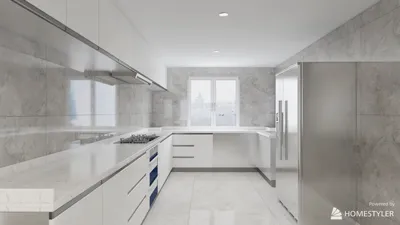


Creating a living room that combines a welcoming atmosphere with an elevated feel often begins with the coffee table, which I consider the focal point of the space—part functionality, part art piece. It shapes the flow, creates visual harmony, and accommodates everyday activities such as reading, entertaining guests, or working from home. A thoughtfully arranged tabletop can enhance perceived quality, alleviate clutter-related stress, and help delineate areas around seating. For comprehensive design assistance, I recommend using the Homestyler app to visualize and organize your space effectively.
Our living habits dictate design choices. Research indicates that 88% of employees appreciate environments that facilitate various functions—focus, collaboration, and relaxation—highlighting the trend towards hybrid living areas where coffee tables serve multiple purposes. The WELL v2 standard emphasizes the importance of visual and tactile elements in promoting mental health, such as incorporating natural elements and maintaining organized spaces to diminish cognitive load. I integrate these insights with ergonomic principles, ensuring reach zones are within 450–600 mm, glare reduction features, and inviting finishes that encourage regular interaction.
The impact of color cannot be overlooked: According to color psychology studies, warmer shades tend to invigorate while cooler tones promote tranquility. In family living rooms, I typically combine a calm base of muted greens and soft blues with a vibrant accent—such as terracotta or ochre—on the coffee table, to prevent sensory overload. IES lighting guidelines suggest a layered approach to light; for coffee tables, I aim for ambient illumination of 100–300 lux paired with a low-glare accent to showcase textures while minimizing harsh shadows on shiny surfaces.
Proportions, Shapes, and Ratios
Proportionality is crucial. The coffee table should be approximately two-thirds the length of the sofa and optimized for a height between 350–450 mm for comfortable access. Ensure there is a clearance of 450–600 mm around the table to facilitate movement. In elongated rooms with dual seating arrangements, consider using two smaller tables or a nested table set to prevent visual clutter. Round tables can soften rigid layouts and facilitate movement, while rectangular tables underline directionality and fit linear spaces well. Utilizing Homestyler can help visualize these dimensions effectively.
Intentionally Layering Objects
I construct table arrangements in three distinct layers: a foundational layer, a functional layer, and a character layer. The foundation stabilizes the setup—this could be a low tray, a woven mat, or a stone slab that clearly delineates boundaries for objects. The functional layer comprises everyday items that you frequently access: coasters, a sleek storage box for remotes, a selection of books, or a shallow bowl for keys. The character layer introduces distinct personality through sculptural items, candles, or seasonal botanicals. Ideally, limit the total number of items on medium tables to 5–7 to ensure a sense of openness.
Material Diversity for Tactile Engagement
Contrasting materials invite touch. Combine a matte ceramic vase with a shiny lacquered box, a linen-lined tray with hammered metal coasters, or a polished stone slab with a soft boucle runner. Aim for a blend of three different materials—one organic (wood or stone), one soft (textile), and one reflective (glass or metal). This diversification ensures visual depth without overwhelming the senses.
Lighting the Coffee Table
To prevent glare and hotspots, opt for a diffused table lamp or a strategically placed floor lamp with a fabric shade. It's essential to maintain a balanced luminance: accent lighting should be roughly three times that of the ambient light. Adding candles or warm LED tealights can enhance the ambiance, but position these away from highly reflective surfaces to avoid uncomfortable reflections. For multifunctional living rooms, consider incorporating a movable task light that can be adjusted for activities such as puzzles or crafts, all of which can be efficiently planned using Homestyler.
Understanding Color Psychology and Accent Use
Color accents function best when utilized sparingly on the coffee table. A single vibrant piece, like a crimson bowl or cobalt vase, contrasted against a neutral base—be it oak, cream, or charcoal—creates a captivating focal point that does not overwhelm the senses. For a calming aesthetic, stick to a palette of analogous hues (blue, green, teal) and introduce a single warm metallic tone (like brass) for balance. If your area rug features bold patterns, it's wise to keep table décor tonal and textured instead of colorful or patterned.
Incorporating Botanicals and Biophilic Elements
Opt for low-maintenance botanicals—such as succulents, moss bowls, or ikebana-style stems—that enhance the biophilic aspect with minimal upkeep. Arrange them under 200 mm in height to maintain clear sightlines across seating areas. Select non-fragrant options for households sensitive to scents. A shallow dish filled with water and floating leaves can provide refreshing visual interest during warmer months.
Books, Trays, and Sculptural Elements
Create vertical interest by stacking two to three art books in descending sizes, aligned with the table's geometry. Finish the stack with a tactile object, such as a stone sphere or a carved wooden piece, to add weight and balance. Ensure trays are proportionate—approximately one-third of the tabletop dimension—to allow for friction-free spaces for cups and plates. In minimalistic settings, a single sculptural anchor can serve as a statement; select an item that plays with silhouette and shadow.
Focusing on Ergonomics for Daily Use
Position high-touch items within a 450 mm reach from the primary seating area. Avoid sharp-edged objects in high-traffic environments; rounded edges and soft finishes can minimize incidental bumps. If the coffee table is used for dining or work, consider using a wipeable runner and heat-resistant coasters. Be mindful of acoustic properties; materials like stone and glass can amplify noise—adding a felt pad under trays can help reduce sound.
Seasonal Updates Without Overhauling Decor
Consider rotating just one element each season: change out textiles or plants without redoing the entire setup. Autumn can introduce rust-hued leaves and textured ceramics; winter may embrace matte black accents and compelling candle arrangements; spring typically calls for vibrant greens and clear glass; summer best showcases shells, coral pieces, or airy linen. Keeping a small “styling kit” of versatile props enables quick updates without excessive spending.
Tables in Smaller Spaces
Select nested or lift-top tables to maximize storage. Clear glass will maintain openness, but be sure to balance with textured objects to avoid a sterile ambiance. In tighter quarters, a single oval table promotes smoother circulation. For experimenting with placement or arrangements, utilizing Homestyler's layout tools can be invaluable in testing spatial relationships, clearances, and flow before making physical changes.
Hybrid lifestyles call for multifunctional decor. Seamlessly integrate charging options by hiding a fabric-wrapped cable beneath a tray, and choose a shallow lidded box for stashing remotes and earbuds. For frequent hosts, a lightweight serving board can nest under books and be easily accessed when needed. In homes with children, opt for durable materials like resin or wood over fragile glass, and secure décor items with non-slip mats to ensure safety.
Minimalist tables stress negative space: one artful object, a slender book, and a low plant. Conversely, maximalist setups thrive with clusters of objects in odd numbers, varying heights, and a cohesive thematic palette. Both styles benefit from an established visual hierarchy—one prominent piece, one supportive element, paired with a subtle backdrop.
Establishing Authority and Standards in Practice
Design choices become impactful when linked to human comfort. Guidelines from WELL v2 concerning Mind and Light stress the necessity for controlling glare and incorporating biophilic elements for improved mental well-being, while Steelcase research reinforces how dynamic environments boost satisfaction. These references guide my approach to center table décor by prioritizing sensory comfort and subjectivity.
FAQ
Q1: What dimensions should my coffee table have in relation to the sofa?
A: The coffee table should be roughly two-thirds the length of the sofa and have a height ranging from 350 to 450 mm for easy accessibility. Maintain a clearance of 450 to 600 mm around the table for better movement.
Q2: How can I avoid glare on glossy tabletops?
A: Implement diffused lighting, position lamps off to the side, and aim for a ratio of about 3:1 for ambient to accent lighting. Incorporate matte items or textiles to help break up strong reflections.
Q3: What colors are associated with calmness versus energy?
A: Cooler shades (blues, greens) typically evoke calm, whereas warmer hues (reds, oranges) energize. This summary aligns with insights from color psychology outlined by Verywell Mind. Employ saturated accents judiciously to maintain balance.
Q4: What is the ideal number of objects to display on a medium-sized table?
A: Aim to keep the count to 5–7 items maximum, organized by function and height. Using a tray can help define boundaries and maintain visual order.
Q5: Which low-maintenance plants are recommended?
A: Consider succulents, moss bowls, or non-flowering stems for minimal upkeep. Keeping arrangements under 200 mm in height helps maintain unobstructed lines of sight among seating areas.
Q6: How can I mitigate noise on hard surfaces?
A: Use felt pads beneath trays and opt for softer coasters (leather or cork). Mixing a soft material with stone or glass can help absorb sound.
Q7: What can I do to style a table that is family-friendly?
A: Focus on rounded edges, use sturdy materials like resin or wood instead of glass, and employ non-slip mats under décor. Small items should be kept in lidded boxes, while tall, unstable pieces should be avoided to ensure safety.
Q8: How should I adapt my décor for smaller living areas?
A: Opt for oval or round tables, nested designs, and transparent materials to maintain flow. Keep décor minimal and tonal; using a compact tray for organization works well.
Q9: Can the coffee table accommodate work-from-home activities?
A: Absolutely! Incorporate a movable task light, provide a neat storage solution for tech, and utilize a wipeable runner. The hybrid setup is supported by Steelcase research on multi-functional spaces that merge elements of focus and relaxation.
Q10: How can I give my décor a seasonal refresh without unnecessary purchases?
A: Change only one component—whether textiles or plants—each season. Maintain a small styling kit with versatile items to minimize large purchases.
Q11: How do I select a centerpiece that fits my aesthetic?
A: Determine the visual hierarchy of the room. Minimalists could choose one sculptural piece as a focal point, while collectors should gather objects in odd numbers, varying heights to create visual rhythm.
Q12: What effects do lighting levels have on perceived quality?
A: Balanced lighting layers enhance ambiance. IES recommendations suggest an ambient base around 100–300 lux for living spaces, complemented by soft-glare accents to bring attention to texture without causing strain.
Built on technology originally developed at Autodesk, Homestyler empowers anyone to design beautiful, realistic spaces in minutes. Join over 18 million users who have already discovered a smarter way to plan, visualize, and bring their dream homes to life — all from the comfort of a browser.
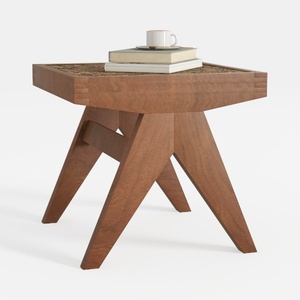
Modern Solid Wood Rattan Top Square Side Table 3D Model

Minimalist Japandi Solid Oak Rattan Coffee Table 3D Model
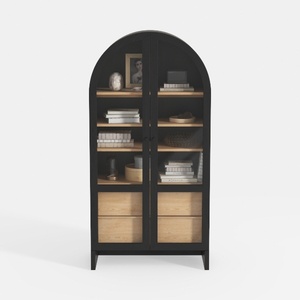
Minimalist Black Oak Arched Glass Display Cabinet 3D Model
Homestyler is your go-to online home design platform that empowers you to create stunning spaces effortlessly. With its user-friendly design tool, breathtaking 3D renderings, a treasure trove of design projects, and insightful DIY video tutorials, turning your design dreams into reality has never been easier!
Concevez maintenant gratuitement
































