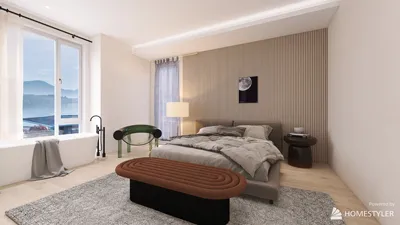


A thoughtfully designed quad hotel room effectively separates four individual zones for sleeping, preparing, and relaxing while maintaining a spacious feel. Through my experience with renovating family suites and rooms for group travel, I've recognized that the rhythm of space and layered lighting plays a crucial role, often more significant than the room's square footage. According to Gensler’s research for 2024, 48% of guests emphasize the importance of functional layouts that facilitate various activities at once, which is essential for a quad room where sleeping, dressing, working, and unwinding must coexist smoothly. The WELL v2 lighting standards advocate for circadian-supporting light with warm tones between 2700-3000K in the evenings and increased vertical brightness during the day to minimize fatigue and enhance comfort.
Factors like acoustics, sightlines, and micro-privacy greatly influence overall comfort. Steelcase's research indicates that having control over environmental factors—light, noise, and temperature—can significantly enhance satisfaction and reduce stress in shared spaces. In quad rooms, this control is achieved through movable screens, layered lighting options, and sound-absorbing fabrics. I typically aim for an absorption coefficient of 0.5 to 0.7 across soft elements such as curtains and rugs to create a calming effect and minimize disturbances. For smooth circulation, maintaining a clear path of 36 inches (915 mm) around beds and toward the bathroom ensures ease of movement even with luggage nearby.
Plan the Core: Four Sleep Zones Without Visual Clutter
Begin with either two queen beds or four twin beds, and then create soft boundaries to define personal spaces. Upholstered walls and staggered bedside shelves can help delineate these zones without extensive millwork. If there's room for adjustment, orient the beds to eliminate direct sightlines; this can minimize social fatigue during extended stays. Instead of shared nightstands, opt for individual narrow ledges equipped with personal sconces, wireless chargers, and small shelves for glasses or phones. While considering arrangements, utilizing a room layout tool like Homestyler can swiftly evaluate bed placements and traffic flow.
Light Layers: Task, Ambient, and Wind-Down Modes
I aim for three distinct layers of light. Ambient lighting should provide 20-30 foot-candles with cove or ceiling washes for general illumination. Task lighting should be brighter, providing 35-50 foot-candles at desk and vanity areas, while wind-down lighting can be softer at 5-10 foot-candles through warm sconces (2700K) by each bed that are dimmable. Following IES guidelines, task areas require higher vertical brightness to alleviate eye strain. Ensure that bedside lighting is controlled by individual switches, and implement night-light paths leading to the bathroom. For grooming areas, it’s advisable to maintain a CRI of 90 or higher.
Acoustic Comfort: Quiet Rooms Feel Larger
Adopt a layered approach to acoustics with an upholstered headboard wall, full-height blackout curtains over sheer layers, soft area rugs beside the beds, and fabric-backed wall panels to absorb noise from the hallway. If the ceilings are hard, consider adding felt baffles or micro-perforated panels in the entry areas. Implementing door seals and using a heavier core door to the corridor can greatly improve sleep quality.
Micro-Privacy: Screens, Curtains, and Sightline Tricks
Employ folding screens, ceiling-mounted curtains, or slatted partitions to create privacy for dressing areas without sacrificing natural light. A half-height divider between beds and the entryway can shield initial impressions and keep luggage from being visible. Utilizing frosted glass or reed panels at the bathroom entrance allows light to enter while maintaining modesty. The aim is to create partial opacity for social comfort without complete isolation.
Smart Storage: Four People, One Closet Wall
Design storage solutions with a minimum of two luggage zones: a bench near the entrance and a slide-under platform at the beds' foot. Provide four separate cubbies or lockers with hooks and ventilated doors for shoes and small belongings. A split closet design, with double hanging and open shelving, can prevent clutter. Open, illuminated shelves deter guests from spreading belongings onto beds. Incorporating a slim drawer unit near the vanity for shared toiletries can also streamline storage, particularly when items are labeled with icons for international appeal.
Bath Strategy: Stacked Functions, Faster Mornings
For group accommodations, separate functions; use a compartment for the toilet, a dedicated shower room with its own door, and an external double-sink vanity in the primary area or antechamber. Frosted sliding doors save space compared to traditional swinging doors. Equip the area with four towel hooks and two rods to prevent damp clutter. Utilize non-slip tiles (with DCOF ≥ 0.42 when wet) and linear drains for safety and upkeep. Adding a backlit mirror with a CRI of 90 or above, along with a color temperature of 3500-4000K, enhances grooming without distorting colors.
Work + Lounge: Hybrid Nook That Converts
Incorporate a wall-mounted drop-leaf desk that can transform into a snack bar. Pair it with two lightweight stackable chairs and an ottoman that discreetly stores a blanket. Position this setup near a window to maximize natural light; WELL v2 guidelines stress the importance of light access for better alertness. Make sure to include two power outlets, one at desk height and another at ottoman level, both equipped with USB-C ports. A compact media shelf placed in front of the beds keeps screens off the walls and hides cables along with a travel router.
Color and Material Psychology: Calm the Mix
Start with a desaturated color base (such as warm gray or muted sand) complemented by a cohesive accent found throughout textiles and artwork. High contrasts can lead to a chaotic sensation for the inhabitants; instead, moderate contrast schemes mitigate visual disturbance. Select soft textures—like bouclé throws, wool-blend rugs, and acoustic felt—that provide comfort as well as sound reduction. For durability, choose performance fabrics rated for over 100,000 double rubs and ensure rounded edges on furniture pieces to withstand impacts from luggage.
Lighting Controls: Personal Agency for Each Guest
Establish at least four dimmer switches: two for the beds, one for ambient lighting, and another for task or vanity areas. Incorporate motion-activated night lights that emit 1-3 lux along the baseboards for safe navigation during night trips without disturbing others. Include blackout shades and a sheer layer for controlling glare during daytime. If a tunable white option isn’t possible, specify ambient lighting at 3000K and bedside lights at 2700K.
Ergonomics and Flow: Clearances That Actually Work
Ensure circulation paths remain at 36 inches (915 mm), with 18-24 inches (455-610 mm) between the wall and bed edge for bed-making, and maintain 30 inches (760 mm) in front of luggage benches. Install reading sconces 42-46 inches (1065-1170 mm) above the mattress top, enhancing comfort while reducing glare. Desk heights should be around 28-29 inches (710-735 mm), with chairs that provide lumbar support; if space is limited, a small task stool with a footrest can be specified.
Housekeeping-Friendly Details
Choose platform beds with a foot clearance of 5-6 inches (125-150 mm) to facilitate cleaning. Integrated headboard power sources can eliminate floor cords. Opt for wipeable wall surfaces in high-contact areas (such as around switches and entry points). Use removable, washable pillow shams and stain-resistant duvet covers to extend the life of bedding and reduce turnaround times.
Safety, Accessibility, and Inclusivity
Utilize contrasting edges on steps or transitions to enhance visibility. Consider at least one bed height positioned between 20-23 inches (510-585 mm) to simplify transfers. Hooks should be placed within reach (48 inches/1220 mm AFF) as well as a lower closet rod to accommodate all guests. Position the safe at a reachable height rather than on the floor. Label key switches using icons for universal understanding.
Sustainable Choices That Don’t Sacrifice Comfort
Select low-VOC paints and adhesives, use FSC-certified wood, and install high-efficiency LED lighting. Consider implementing refillable amenity dispensers and fabric headboards with replaceable covers. Using durable finishes can reduce replacement needs, keeping the room fresh and within budget constraints.
• Two queens plus a sleeper ottoman: ideal for families seeking a comfortable setup. Enhance comfort with a privacy curtain around the vanity. • Four twin beds arranged in an L + L configuration: perfect for friends while avoiding face-to-face setups. • A bunk bed and queen hybrid: offering compact footprints; consider adding acoustic felt on the bunk wall. Utilize interior layout planners or tools like Homestyler to quickly assess clearances and circulation through various layout options.
Details Guests Notice
• Four clearly marked charging spots near beds plus additional outlets at the desk. • Small trays for each guest to keep keys and cards organized. • A strategically placed mirror outside of the bath to minimize morning waiting times. • Hooks positioned close to the entrance for coats and daypacks. • Offering a compact white-noise device or fan for guests who benefit from ambient sound.
Trusted Resources
For a more in-depth understanding of the connection between workplace control and guest satisfaction, refer to research done by Steelcase. For health-centered lighting strategies and the principles of daylight accessibility that can be applied to hospitality, investigate WELL v2.
FAQ
Q1: What bed configuration suits a quad room best?
A: Two queen beds work well for families; four twin beds are more suitable for adult groups. If space is constrained, consider a queen plus a quality sleeper or bunk bed, ensuring each sleeping area has independent reading lights and outlets.
Q2: How can I reduce noise in a shared room?
A: Utilize layered drapery, upholstered headboard walls, runners, and effective door seals. Soft materials at the entry can help absorb noise from the hallway, and white-noise options can assist light sleepers.
Q3: What lighting temperature is most comfortable at night?
A: A color temperature of 2700K at bedside with dimming features aids in winding down. Task areas should be brighter and slightly cooler (3000-3500K), coupled with motion-activated night lights for safe navigation.
Q4: How can four guests store luggage without clutter?
A: Plan for at least two luggage zones and assign each guest a specific cubby or locker. Incorporate under-bed storage platforms and open but well-lit shelves to prevent spreading belongings onto beds.
Q5: Can a quad room include a workspace?
A: Absolutely. A drop-leaf desk with stackable chairs can also serve as a snack area. Ensure there are power outlets at both desk height and lower for convenience, placing it close to windows for daylight.
Q6: What bathroom layout expedites morning routines?
A: Separate the toilet from the shower and have an external double-sink vanity area. Provide adequate hooks and non-slip flooring with effective drainage to improve accessibility.
Q7: What color schemes mitigate visual chaos for four guests?
A: Choose a desaturated base color, complemented by a singular, cohesive accent. Moderate contrast schemes, combined with soft textures, foster a calming environment while also improving acoustic properties.
Q8: What clearances ensure comfortable movement?
A: Aim for 36 inches of circulation space, with 18-24 inches between the bed and wall for making the beds, and 30 inches in front of luggage areas. Position sconces at a height of 42-46 inches above the mattress to avoid glare.
Q9: How can I maintain privacy without compromising openness?
A: Utilize partial-height barriers, slatted screens, or ceiling-mounted curtains to create privacy for dressing or vanity zones, while still allowing daylight and airflow.
Q10: Are there sustainable practices that guests will notice?
A: Implementing low-VOC finishes for improved air quality, warm LED lighting, refillable amenities, and resilient, soft-touch materials create environments that not only feel better but also stand the test of time.
Q11: What’s the quickest way to test different room layouts?
A: Utilize visualization tools or layout planners like Homestyler to experiment with various bed placements and storage options, ensuring compliance with clearance requirements before finalizing.
Q12: How many outlets should a quad room provide?
A: At least one dedicated charging outlet per bed, in addition to two at the desk or lounge area. Including both USB-C and standard power outlets will cater to a range of global devices.


Homestyler is the ultimate online home design platform for anyone looking to transform their space. With its user-friendly design tool, stunning 3D renderings, and a wealth of DIY video tutorials, you can effortlessly bring your vision to life—whether you're a beginner or a seasoned designer!
Design Now for FREE
































