

Having designed numerous banquet halls, I’ve identified three key features that distinguish the most successful spaces: adaptable layouts, harmonious acoustics, and dynamic lighting. A banquet hall serves not merely as a space but as a versatile venue for weddings, conferences, and galas, each requiring tailored spatial designs. The WELL v2 Light concept emphasizes the importance of appropriate lighting levels to enhance visual comfort and minimize glare, which greatly influences guests’ focus and their sense of welcome. Additionally, WELL promotes strategies that support circadian rhythms, ensuring guests remain alert during daytime events while fostering relaxation in the evening. Research by Steelcase also links environmental comfort to noteworthy enhancements in human performance, showcasing how ergonomic seating and clear spatial design alleviate cognitive load and exhaustion.
My approach to design is grounded in data-driven decisions. According to the Illuminating Engineering Society (IES), a horizontal illuminance of approximately 200–300 lux for dining and 300–500 lux for presentation areas is ideal for ensuring visibility without overpowering faces or screens. Insights from color psychology, as noted by Verywell Mind, reveal that warm tones create an intimate atmosphere, while cooler shades promote calmness and clarity—elements that are particularly beneficial during keynotes or corporate gatherings. These guidelines shape the lighting layers, finishes, and seating arrangements that define the ambiance of venues like Shreyas, especially when complemented by tools such as Homestyler that visualize layouts.
Design Vision and Spatial Ratios
Initially, I focus on sightlines, avoiding obstruction from columns, and ensuring proper proportions. A well-balanced banquet space typically thrives with width-to-length ratios ranging from 1:1.5 to 1:2, enabling central focus areas (stage, mandap, podium) while ensuring the back row remains engaged. It's crucial to maintain clear passageways, with at least 1.5–1.8 m for major flows and 1.2 m for secondary pathways, facilitating efficient service and ADA-compliant access. Create visual interest by alternating solid wall surfaces with sound-absorptive elements and softly lit niches to counter a monotonous appearance.
Flexible Layouts for Diverse Events
I implement movable features such as retractable partitions, portable stages, and stackable chairs. For wedding banquets, round tables with diameters of 1.5–1.8 m and center-to-center spacing of 1.8–2.1 m ensure comfortable service pathways. In conference settings, utilizing theater-style seating with 0.5–0.55 m per chair and 0.9–1.1 m between rows supports comfort and quick exits. To pre-visualize traffic flow and table arrangements, tools like a room layout simulator, such as Homestyler, can be invaluable in testing different scenarios before finalizing a design.
Lighting Layers and Scene Management
I adopt a three-layer lighting strategy: ambient, accent, and task. For dining, ambient lighting aims for 200–300 lux; accent lighting, which spotlights floral displays and artworks, reaches 300–500 lux, while task lighting at the stage or podium should achieve 500–750 lux for clarity on camera. A gradual transition from a warm dim environment (3000K down to 2200K) allows for a smooth shift from keynote presentations to intimate dinners. Prioritizing glare control through baffles, diffusers, and strategic aiming angles maintains balanced illumination throughout the venue. Incorporate perimeter cove lighting or wall grazing to enhance depth, and integrate smart controls featuring versatile scenes: Ceremony, Dinner, Dance, Presentation. The WELL v2 standards emphasize both glare reduction and spectral tuning for optimizing comfort and circadian well-being; this is where tunable white or layered warm-dim systems prove their value.
Acoustic Comfort and Speech Clarity
I strive for a comprehensive noise reduction plan using absorptive ceiling tiles (NRC ≥ 0.70), upholstered wall panels at key reflection points, and soft flooring in pathways. By utilizing area rugs or carpet sections on hard dining floors, noise from foot traffic can be minimized. For effective speech clarity, I monitor the Speech Transmission Index (STI) by controlling reverb times around 0.8–1.2 seconds for multifunctional spaces, possibly incorporating bass traps in corners if music is a primary concern. A distributed ceiling speaker arrangement can enhance clarity for the audience at the back without overwhelming those closer to the front.
Ergonomics, Seating, and User Experience
Prioritizing comfort leads to longer engagement times. Chairs should feature splayed legs with supportive foam and breathable textiles to mitigate fatigue during extended events. For dining configurations, allocate 600–760 mm per guest at rectangular tables, while maintaining 450–500 mm of chair depth clearance from the table edge. In buffet setups, ensure a queue width of 1.2–1.5 m to prevent congestion. Accessibility is key: at least 5% of seats must accommodate mobility devices and provide straightforward routes to exits and restrooms.
Stage, Dance Floor, and Focal Elements
For events hosting 250–300 guests, I recommend a stage size of approximately 6–9 m wide by 3–5 m deep, with adjustable risers suitable for bands or panels. Dance floor space is typically calculated at 0.3–0.4 m² per dancing guest, so for approximately 100 dancers, aim for 30–40 m² positioned centrally near the DJ or band to maintain energy within the space. Plan for cable trenches or floor boxes to avoid tripping hazards. If catering for Indian weddings, it’s essential to ensure the mandap allows for 360° camera visibility and features dimmable spotlighting that flatters various skin tones; a lighting setting of 3000K with high color rendering is advisable.
Color Psychology and Material Choices
I favor a neutral foundation of materials—like stone, light oak, and champagne metal accents—upon which I layer event or brand colors through textiles and lighting. Warm neutrals are ideal for dining and family gatherings, while subdued cool bases work best for corporate events. According to research summarized by Verywell Mind, red tones can be stimulating but may overstimulate, while blue shades foster calmness and promote a sense of trust, and green promotes balance. When selecting colors, use these insights deliberately as accent elements rather than dominating features. Choose finishes that boast high durability and are resistant to stains, in conjunction with low-VOC paints to enhance guest welfare and simplify event turnarounds.
Catering Logistics and Back-of-House Efficiency
The success of an event is heavily reliant on effective service logistics. I position pantries near main entrances with double-swing doors and vision panels. Aspiring for a minimum of 1.5 m of clearance to facilitate behind-the-scenes movement, I strategically place pass windows close to the service routes to maintain operational fluidity. Allocating spaces for trash and a designated service exit helps reduce guest and staff cross-traffic. Ensure separation of hot and cold food stations, including pre-wiring for mobile warming cabinets and induction cooking surfaces to mitigate fire hazards.
Navigational Safety and Building Code Compliance
Effective signage, braille indicators, and emergency lighting at exits contribute to seamless navigation. Ensure exits are visible from all seating zones, and incorporate at least 10% extra capacity beyond calculated egress to accommodate peak moments. Non-slip flooring, especially in bar and buffet areas, along with safeguarded changes in level and consistent 2700–3000K lighting in corridors, helps to promote a safe environment and minimize accident risks.
Sustainability Practices and Operational Efficiency
Energy-efficient LED fixtures equipped with dimming capabilities not only reduce costs but also allow for versatile event scenes. Utilizing low-VOC materials, sustainably sourced woods, and durable textiles contributes to longer lifespans and improved indoor air quality. Implementing demand-controlled ventilation systems optimizes energy usage by adjusting based on occupancy, thus ensuring both comfort and sustainability. Choosing induction-ready catering equipment and water-efficient fixtures also aids in lowering operational overheads.
Integrating Technology and Ensuring Future-Proofing
I proactively plan rigging points for lighting and decor, ensuring ceiling raceways for audiovisual setups and floor boxes at expected stage and DJ sites. Providing robust Wi-Fi connectivity and concealing cable pathways supports hybrid event configurations. Using a DMX or DALI lighting scheme allows for quick scene resets, transitioning smoothly from corporate luncheons to lively evening events. Keeping a dedicated equipment alcove with silent cooling facilitates easy access for technicians in front-of-house areas.
Simulating Your Design Prior to Implementation
Before finalizing furniture selections, I simulate various layouts—banquets, theater, classroom—and conduct counts, analyze aisle widths, and assess sightlines. Utilizing an interior layout planner, such as the Homestyler room design visualization tool, allows for testing arrival sequences, buffet arrangements, and dance floor placements, enabling realistic establishment of service standards and identification of potential dead zones.
Sample Capacity Guidelines
- For wedding banquets with 1.5 m round tables: approximately 1.8–2.1 m spacing, seating 8–10 guests per table, complemented by 1.5–1.8 m primary aisles.
- Theater-style seating for presentations: 0.5–0.55 m chair width, with 0.9–1.1 m spacing between rows, including center and side aisles per code requirements.
- Cocktail setups should allocate 0.6–0.8 m² per guest, positioning high-top clusters near the bar and quieter areas by exits for smooth circulation.
Memorable Final Touches for Guests
Incorporate subtle scent elements near entrances, ensuring thermal comfort remains consistent while avoiding excessive cooling drafts over seating areas. Utilize focal floral arrangements or sculptural displays to anchor the design. Create photo-friendly spaces with flattering vertical lighting and neutral backgrounds. Establish a straightforward protocol for resetting the venue with labeled carts and proper cable management, enabling staff to quickly transform the room in under an hour.
Sources for Design Choices
- The WELL v2 Light and Comfort concepts (v2.wellcertified.com) emphasize glare control, adequate illumination, and health-conscious materials.
- IES guidelines assist in planning appropriate task illuminance and glare reduction strategies (ies.org/standards).
- Insights from Steelcase illustrate the connection between environmental quality and human performance (steelcase.com/research).
- Interpretations of color psychology provided by Verywell Mind give practical suggestions for palette design (verywellmind.com/color-psychology).
Frequently Asked Questions
Q1: What lighting levels are optimal for a banquet hall hosting both conferences and weddings?
A1: Target 300–500 lux on stage for presentations, maintain 200–300 lux ambient light during dining, and ensure warm dim functionality (3000K to 2200K) for evening settings. Use layered controls for quick scene transitions.
Q2: How can I enhance speech clarity without excessive amplification?
A2: Minimize reverberation by using absorptive ceiling materials (NRC ≥ 0.70), install upholstered panels where sound reflects, and evenly distribute speakers in the ceiling to avoid overwhelming sound for those in the front.
Q3: What spacing is necessary for efficient service during plated meals?
A3: Ensure 1.8–2.1 m center-to-center spacing for 1.5–1.8 m round tables, offering at least 1.5 m of primary aisles for both servers and guests.
Q4: How much area should I allocate for a dance floor?
A4: Plan for approximately 0.3–0.4 m² per dancing guest; for about 100 dancers, set aside 30–40 m² to maintain lively movement without overcrowding.
Q5: Which colors are versatile for corporate and social events?
A5: Establish a neutral core (warm woods, light stone) and integrate colors relevant to the event through textiles and lighting. Warm elements suit celebrations, while cooler tones are favorable for corporate settings.
Q6: What is the recommended stage size for medium-sized events?
A6: For 250–300 guest events, a stage measuring 6–9 m wide by 3–5 m deep is appropriate for accommodating DJs, small bands, or panel discussions. Ensure proper cable management and floor boxes are included for keeping surfaces unobstructed.
Q7: How can I prevent glare affecting cameras and guests?
A7: Utilize lenses and baffles to direct light; avoid direct downlights aimed at faces, incorporate soft perimeter lighting for balance, and ensure uniform vertical illumination at the stage.
Q8: What ergonomic features are crucial for extended programs?
A8: Use chairs with supportive foam and breathable materials, along with stable frameworks to alleviate fatigue. Provide 0.9–1.1 m row spacing in theater setups and guarantee accessible seating zones with clear exits.
Q9: How can I ensure AV and lighting adaptability for the future?
A9: Set up ceiling raceways, flexible rigging points, DMX/DALI networks, and strategically placed floor boxes. A dedicated equipment alcove with silent cooling options simplifies access for technicians.
Q10: How can I enhance catering logistics without disturbing guests?
A10: Position the service pantry in proximity to the main hall, equipped with double-swing doors, and ensure 1.5 m of unobstructed back-of-house corridors, while keeping waste disposal routes separate from guest paths.
Q11: Which sustainability measures yield the most significant benefits?
A11: Utilizing energy-efficient LED lighting with dimming options, applying low-VOC finishes, selecting sustainably sourced wood, using durable fabrics, and implementing demand-controlled ventilation can substantially reduce energy consumption while enhancing indoor air quality during events.
Q12: How can I evaluate capacity and flow before making commitments?
A12: Use an interior layout planner to simulate various seating arrangements, analyze buffet routes, and verify aisle clearances, then confirm furniture quantities and service stations accordingly before finalizing choices.
Originally incubated at Autodesk, Homestyler has grown into one of the most widely adopted home design platforms in the world, now trusted by over 18 million users. Whether you're a homeowner exploring ideas or a professional designer delivering client-ready renders, Homestyler brings industry-leading 3D technology to your fingertips — no experience required.
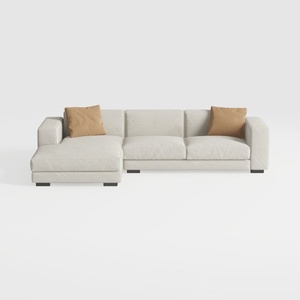
Minimalist Fabric L Shape Sectional Sofa with Throw Pillows 3D Model

Vintage Brown Leather Modern Sofa With Contrast Stitching 3D Model
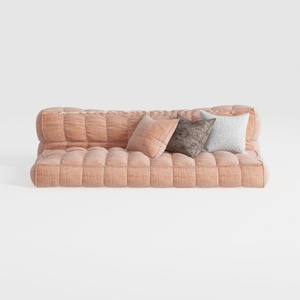

Minimalist Blush Fabric Tufted Contemporary Sofa 3D Model
Homestyler is your go-to online home design platform, perfect for both novices and pros. With its user-friendly design tool, stunning 3D renderings, and inspiring DIY video tutorials, you can effortlessly transform your design ideas into reality. Start your creative journey today!
Design Now for FREE
































