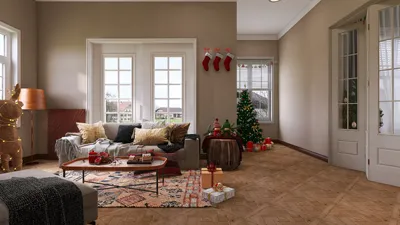


I create pooja rooms that embody a timeless yet functional aesthetic, serving as serene sanctuaries within modern residences. A thoughtfully designed slab or ceiling feature positioned above the shrine plays a pivotal role: it highlights the deity, mitigates glare, and seamlessly integrates lighting, acoustics, and storage while maintaining a clutter-free environment. In my residential projects, I've observed that effective illumination and tactile materials greatly enhance the usage of these spiritual spaces, making rituals feel natural instead of choreographed. Utilizing tools like Homestyler can significantly aid in visualizing and perfecting these designs.
Proper lighting is essential. According to the Illuminating Engineering Society (IES), optimal task lighting ranges from 300 to 500 lux for reading scriptures and prayer texts, while accent lighting for focal pieces is typically around 150 to 300 lux—this creates a soft ambiance without diluting detail. I often employ warm light at 2700–3000K during evening aarti, and a slightly cooler light at 3000–3500K for daytime to ensure clarity. To maintain a low Unified Glare Rating, I recommend using recessed fixtures or diffusing lighting with textured glass. The WELL Building Standard's focus on circadian-friendly lighting and glare mitigation aligns perfectly with the calming rhythms that pooja rooms should embody, especially when using platforms like Homestyler for effective planning.
The layout is crucial to the overall experience. In homes where space is restricted, a shallow overhead slab of 200 to 250 mm can cleverly integrate concealed downlights and a slim acoustic liner to minimize echoes during prayers. In compact apartments, I frequently align the slab with a wall-mounted shrine, incorporating a hidden drawer below for convenient storage of incense and matches, thus promoting neatness. When designing alcoves, leveraging a simple room layout tool can help visualize sightlines, ensure sufficient kneeling space, and accommodate door swings to ensure the slab feels at home rather than intrusive.
Fundamental Concepts for a Pooja Room Slab
I begin by analyzing spatial proportions. A well-balanced slab generally extends the width of the shrine plus an additional 100 to 150 mm on each side; for a mandir measuring 900 mm wide, a slab of 1100 to 1200 mm appears harmonious. The depth is determined by ceiling height: with ceilings set at 2.6 to 2.8 m, a depth of 200 to 300 mm provides ample area for lighting without compromising visual comfort. For higher ceilings, I prefer using layered trays spaced at intervals of 80 to 120 mm, as they add rhythm without heaviness, enabling tools like Homestyler to visualize these spatial arrangements effectively.
Material choice is another crucial pillar. Options such as laminated wood (like American walnut shades), matte-finish stone composites, or microcement help to minimize reflections. High-gloss surfaces can create problematic glare; a finish rating between 10 and 30 GU offers a calmer aesthetic. For families that burn incense regularly, I specify heat-resistant trims for recessed fixtures and select neutral sealants to prevent unpleasant odors from interfering with puja scents. When sustainability is a priority, I encourage the use of low-VOC finishes and FSC-certified wood for healthy indoor air quality.
Lighting Design: Devotional, Not Dramatic
In my designs, I incorporate three types of lighting: soft ambient, focused accent, and task lighting. For ambient light, I suggest a concealed cove within the slab, set at 2700-3000K, dimmable, creating a background of approximately 100–150 lux. Accent lighting involves small beam spots aimed at the deity, keeping the light spill minimal on reflective frames; the focal plane should reach 200 to 300 lux to enhance detail without flattening the image. Task lighting includes under-shelf linear strips at 3000K for reading and arranging offerings, aiming for the 300 to 500 lux range specified by IES for task areas. I avoid placing harsh downlights directly above the shrine to prevent creating hard shadows on worshippers.
Controlling glare is an important yet subtle consideration. When incorporating brass or mirrored elements, I recommend angling the lights to graze surfaces instead of direct hits. Eggcrate diffusers or prismatic lenses are effective for softening point sources of light, while maintaining a power density ratio of 0.6 to 0.8 between ambient and accent lighting ensures a restful visual contrast. Mornings can benefit from tunable LED settings at 3500K for text clarity, while evenings are best with warmer tones around 2700K to relax the visual senses—consistent with the WELL standards on circadian-friendly lighting adjustments, making Homestyler design ideas even more applicable.
Acoustic and Ritual Comfort
Rituals can get lively in smaller homes, leading to potential noise issues. A thin layer of acoustic fleece hidden beneath the slab or a micro-perforated panel on the underside (with an open area of 8 to 12%) can temper high-frequency sounds without dulling the ambiance. If the slab features a light niche, wrapping it with felt returns or cork edging can enhance sound absorption. I also keep surfaces that may contact a bell slightly padded; for example, employing silent rubber feet under the thali to avoid rattling noise.
Ensuring ergonomic design is vital for daily use. Clear space of 600 to 750 mm in front of the shrine is needed for kneeling and sitting, with 900 to 1000 mm being ideal for two people. Shelf heights at 900 to 1000 mm accommodate most adults comfortably for placing offerings without straining their shoulders. If the aarti involves movements, it's essential to ensure the slab edge is rounded (between R5 to R10) to prevent snagging clothing or hitting heads.
Color Psychology for Serenity
I prefer soft and calming color palettes—creamy whites, gentle sands, and muted greens—to lessen visual distractions. Insights from color psychology suggest that warm hues increase feelings of comfort, while shades of green promote balance and restoration; hence, I often pair warm ambient light to highlight wooden surfaces alongside one accent color—typically marigold or deep saffron—in textiles or flower arrangements. It’s also important for the slab to recede visually: opting for a tone that is either darker or lighter than the walls ensures the deity remains the focal point in the room.
Contemporary Slab Concepts That Work
A floating ribbed wood slab creates a 220 mm deep element, featuring linear grooves that cleverly mask lighting seams. A warm cove at 2700K casts a halo effect, avoiding harsh hotspots.
Tiered tray ceiling: Multiple concentric trays at intervals of 80–100 mm above the shrine, integrating hidden micro-spots that softly illuminate the backdrop, enhancing the ceremonial feel even in compact areas.
A stone-composite cap with a brass shadow line provides a matte stone composite slab featuring a recessed brass reveal of 6-10 mm, adding a sophisticated, temple-inspired detail while diffusing light from a concealed strip.
Perforated acoustic canopy: A micro-perforated panel beneath the structure, lined with felt backing; discreet pin spots shine through these perforations, offering measured accent lighting along with sound control during bhajans.
Layout Integration and Safety
For wall-mounted shrines, I ensure the slab is aligned to avoid interference from door swings and HVAC drafts. If incense is frequently used, it’s crucial to keep combustibles clear from fixture openings, specify LED strips that can handle up to 90°C, and include a venting solution that minimizes flicker risk. In larger pooja rooms, I prefer to align the slab's centerline with the shrine plinth; utilizing an interior layout planner proves beneficial for trialing circulation, kneeling zones, and cabinet access before finalizing millwork, which tools like Homestyler can facilitate seamlessly.
Concealed storage is optimal. A shallow drawer positioned under the plinth is perfect for holding agarbatti, matches, and ghee; a side niche provides space for bells and conch. I avoid overcrowding the slab with decor—using a single focal jana shila or a toran creates an intentional atmosphere.
Materials, Maintenance, and Longevity
Daily rituals can lead to smoke, oil, and the occasional wax buildup. Matte finishes are forgiving, while closed-grain woods maintain their appearance over time. Stone composites and microcement are easily cleaned with pH-neutral solutions. Although brass develops a beautiful patina, you may prefer a consistent look; in that case, I recommend clear lacquer for warm environments, necessitating a recoat every 2 to 3 years. Features such as accessible LED drivers and removable light trays simplify upkeep.
Harmonizing Tradition with Contemporary Living
The slab serves not only as an overhead canopy but also as an assurance that the pooja area is well-maintained. It ought to maintain calm proportions, gentle lighting, soft sounds, and inviting textures. Thoughtful design details ensure that the pooja room resonates with the home's overall ambiance, supported beautifully by tools like Homestyler for coherent design integration.
Authority and Research
Established lighting practices, guided by IES recommendations for task and accent levels, enhance clarity and comfort. The principles outlined in the WELL Building Standard regarding glare management and circadian lighting are well-suited to the layered and dimmable scenes that accommodate ritual schedules. Both frameworks offer useful guidelines without restricting aesthetic choices.
Frequently Asked Questions
For optimal reading and offering arrangement, target a lighting level of 300 to 500 lux at the surface, and 150 to 300 lux for highlighting the deity. Use warm tones ranging from 2700 to 3000K during evening rituals and slightly neutral tones between 3000 to 3500K for daylight clarity.
Maintain a depth of 200 to 250 mm to accommodate hidden lighting while preserving headspace. If the ceiling height is under 2.6 m, prioritize thinner floating edges and avoid bulky coffer details.
Select matte stone composites, microcement, and closed-grain hardwoods treated with low-VOC sealers for convenience in cleaning. Avoid high-gloss finishes that highlight fingerprints and increase glare.
Enhance acoustics by including a micro-perforated panel beneath the slab with felt backing, adding a soft rug, and utilizing gentle textiles. A hidden acoustic fleece above the slab can also help reduce noise.
Yes, you can adjust settings to 3500K in the morning for clarity and transition to 2700K in the evening for a warmer ambiance. Dimming further refines the mood without requiring fixture changes.
Employ heat-resistant trims, maintain space from fixture openings, and select LED strips with high-temperature ratings (approximately 90°C). Ensure a proper ventilation path that eliminates flicker risk.
For visual balance, span the shrine width plus 100 to 150 mm on either side; depth at 200 to 300 mm is suitable for standard ceilings of 2.6 to 2.8 m. Align the centerline with the plinth for a cohesive appearance.
Soft neutral tones and muted green shades are calming to the eye; a singular warm accent in textiles or floral arrangements keeps the ritual ceremonial in feel. Utilize warm ambient light to enhance the character of wood and brass without causing glare.
Absolutely. A slender floating slab complemented by sophisticated linear lighting and a compact plinth performs beautifully. Verify kneeling space and door swings using layout simulation tools before actual fabrication, such as Homestyler.
Incorporate a discreet drawer for incense and matches, alongside a side niche for holding the bell and conch. Limit decorative elements to one or two focal points to maintain intentionality.
Clean with pH-neutral products, apply clear lacquer to brass every 2-3 years for consistency, and ensure easy access to LED drivers and removable light trays for straightforward maintenance.
Lighting can indeed be subtle. By angling lights to graze surfaces, using diffusers, and avoiding direct sources, you can create balanced contrasts that keep the deity subtly highlighted.
What began as an Autodesk innovation has evolved into a design platform used by more than 18 million people around the globe. Homestyler combines powerful rendering, an intuitive editor, and a vast furniture library to help you turn inspiration into photorealistic designs — whether you're redesigning a single room or planning an entire home.
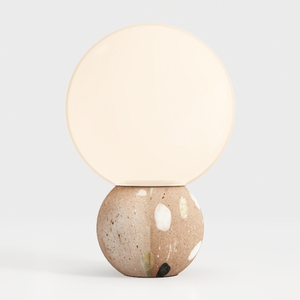


Minimalist Japandi Solid Wood Sideboard with Textured Doors 3D Model
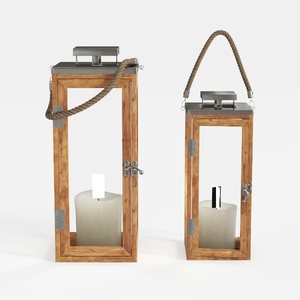
Rustic Solid Wood Metal Rattan Hanging Candle Lantern 3D Model
Homestyler is an exceptional online home design platform, perfect for all your decorating needs. With its user-friendly design tool, stunning 3D renderings, inspiring design projects, and easy-to-follow video tutorials, you can effortlessly create and visualize your dream space today!
지금 무료로 디자인하세요
































