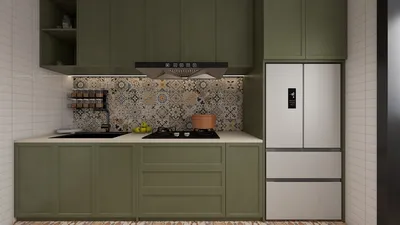


I view guest rooms as holistic environments that engage multiple senses: they serve as a peaceful retreat after travel, a cozy temporary residence for families, and a versatile getaway for friends. Color plays a crucial role in setting the ambiance, but its effectiveness is amplified when harmonized with lighting, sound, comfort, and the subtle customs of hospitality. My design projects demonstrate that the most effective guest rooms successfully combine calming shades, inviting light, and tactile materials to alleviate stress and facilitate easy navigation.
Two significant insights influence my decisions regarding color and lighting. Recommendations from the WELL v2 standard suggest maintaining ambient light levels of approximately 150–300 lux in lounges and bedrooms, which ensures visual comfort while avoiding overstimulation; warmer color temperatures (2700–3000K) are conducive to relaxation. Research by Steelcase indicates that excessive visual complexity can cause fatigue, hence employing simplified, low-saturation color palettes can enable guests to focus on relaxation rather than their surroundings. These principles consistently lead to calmer and more navigable spaces following lengthy travels. For a comprehensive view, refer to the lighting guidelines from WELL v2.
The realm of color psychology holds practical implications as well: Verywell Mind outlines that certain shades of blue can lower heart rate and perception of blood pressure, while green tones foster a sense of balance and tranquility. I advocate for using low to moderate levels of saturation; softer blues coupled with gentle greens are more adaptable to varying lighting conditions, minimizing the risk of nighttime glare. Utilizing muted neutrals—such as warm greige, oatmeal, or delicate taupe—creates a steady foundation, grounding linens, artwork, and personal items effectively.
Anchor Colors: Soft Blues, Gentle Greens, and Warm Neutrals
Soft blue (think of a light mist, not deep navy) promotes tranquility and pairs beautifully with crisp white accents, creating a fresh and hotel-like ambiance. Gentle greens—such as sage, eucalyptus, or celery—introduce a biophilic essence of calmness without appearing overly rustic. Warm neutrals, particularly greige and mushroom hues, adjust seamlessly to different lighting intensities throughout the day; they maintain a welcoming atmosphere in both early morning brilliance and evening coziness. Typically, I apply a nearly neutral color on the walls and ceiling while reserving blue or green for an accent wall, headboard niche, or fabric features.
Light Environment: Color Temperature, Lux, and Glare Control
Colors respond uniquely to different light sources. For guest rooms, I typically recommend warm-white LEDs with a color temperature of 2700–3000K, while keeping ambient light levels around 150–300 lux; for task lighting, a brighter range of 400–600 lux is ideal for desks or reading areas. I implement layered lighting strategies that include ceiling ambient lights, bedside sconces with shielding to minimize glare, and low-glare desk lamps to avoid stark contrasts. When faced with strong afternoon sunlight, opting for matte finishes lessens the impact of glare and maintains consistent color perception.
Human Factors: Wayfinding and Sleep Hygiene
Guests benefit from intuitive visual cues. A slightly darker neutral shade behind the bed immediately clarifies orientation. A clear contrast between wall colors, flooring, and door trims enhances wayfinding during the night. I generally steer clear of high-chroma reds and vivid violets near sleeping areas, as they can increase arousal levels. Near the entrance, I incorporate a subtle, brighter accent (like pale terracotta or honey) to aid alertness during key-finding and unpacking, transitioning to cooler, softer hues at the bed to signal rest.
Acoustic Comfort: Quiet Colors and Soft Materials
While color itself isn't a sound, it affects guests' perception of quietness. A color palette that visually softens edges—featuring matte paints, textured linens, and wool rugs—works well with acoustic designs that include upholstered headboards, fabric draperies, and soft-close hardware. Warm neutrals paired with muted tones tend to feel quieter than stark whites. In situations where external noise is a concern, deeper, desaturated colors (like storm blue or olive-gray) visually absorb sound, aligning visual perception with acoustic comfort.
Material Selection and Sustainability
Selecting low-VOC paints is advisable to minimize odor and irritation. Opting for natural fibers like cotton, linen, and wool ensures durability and elegance, accepting muted dyes that read sophisticated. A textured wall covering made of grasscloth or recycled fibers introduces micro-shadowing, adding depth to the color without high saturation. Choosing sustainable materials (FSC wood and rugs with recycled content) enhances the guest’s perception of care and quality, even if not explicitly articulated.
Spatial Ratios and Visual Balance
I adhere to a 60–30–10 rule: 60% calm base (walls and expansive surfaces), 30% secondary tones (like headboards, curtains, or rugs), and 10% accents (artworks, throws, or cushions). For smaller rooms, I shrink the accent to about 5% and increase the base to 65% to maintain a clutter-free visual. In elongated or narrow rooms, a deeper color on the short wall behind the headboard creates a sense of visual shortening, while lighter side walls maintain an airy feel. Utilizing a room layout tool can aid in visualizing color and furniture placement interactions before finalizing paint decisions.
Guest Profiles and Behavioral Patterns
Frequent travelers appreciate predictable serenity: soft blue tones, warm-white lights, and clearly defined contrasts around switches and outlets. Families benefit from mid-tone neutrals that are durable and forgiving—crumbs and smudges are less noticeable on shades like mushroom or warm gray. For creative visitors, subtle complexity is often more appealing, achieved through layered textures and patterns alongside restrained accents (like ochre, rust, or muted teal) that convey a curated rather than themed feel.
Accent Strategy: Restraint Over Saturation
Accents should be easily removable: think throw blankets, cushions, or small art pieces. If there’s a love for bold colors, limit usage to about 10%—a mustard-yellow cushion or coral print—ensuring the primary palette remains inviting for everyone. Metallic accents are best to keep warm (like brushed brass or champagne) to harmonize with soft neutrals and warm lighting.
Daylight, Orientation, and Paint Finish
Rooms facing north can benefit from warmer neutrals (such as light caramel or wheat) to offset cooler daylight. Those facing south often do well with cooler primary tones (like pale blue-gray or light sage) to counterbalance the warm sunlight. I generally prefer matte or eggshell finishes for walls, satin for trims, and a flat ceiling to maintain visual calm. It's vital to test large paint swatches across different times of day; the same greige can appear either pink or green depending on surrounding light and elements.
Textiles and Layering
Create a tactile centerpiece with the bed. Crisp white bedding paired with a soft-hued duvet (like dusty blue, sage, or oatmeal) provides a fresh and adaptable feel for diverse guest preferences. Layer this with a mid-weight throw and two different pattern scales (like micro stripes and solid fabrics). Curtains in a hue slightly deeper than the walls frame natural light and reduce glare; blackout linings or double-layer sheers promote sleep quality.
Small Room and Rental-Friendly Moves
In compact guest rooms, maintaining lighter envelope colors while adding depth through a single mid-tone element—such as a headboard wall or rug—works well. For rental spaces, choose color-safe neutrals and infuse character using replaceable accents and art; this approach minimizes the need for repainting between stays while still ensuring a cohesive aesthetic for listing photographs.
Color Pairings That Consistently Work
- Mist blue + warm white + natural oak
- Sage green + oatmeal + brushed brass
- Greige + mushroom + dusty rose accent
- Pale blue-gray + linen + charcoal trim (light contrast)
- Eucalyptus + ivory + blackened bronze (minimalist)
Final Touches Guests Notice
Dim-to-warm bedside lighting, a small water carafe, a discreet clock, and conveniently visible outlets near the nightstand all reinforce the serene environment initiated by your chosen palette. Keep fragrances subtle, opting for herbal or citrus notes, and avoid any visual clutter. Establishing a cohesive color narrative serves as the foundation; the thoughtful hospitality details transform it into an inviting haven.
FAQ
Q1: What wall color is the safest choice for a mixed-use guest room?
A soft, warm greige or oatmeal is the most accommodating; it pairs seamlessly with both cool and warm accents and remains steady under 2700–3000K lighting and fluctuating daylight.
Q2: Are blues always better for sleep?
Soft and desaturated blues often create a calming atmosphere, but it’s important to keep saturation low and lighting warm. Steer clear of high-chroma or very dark blues in small or poorly lit rooms.
Q3: How bright should a guest room be?
The ambient light level should be around 150–300 lux with warm-white LEDs, complemented by task lighting that offers 400–600 lux for reading purposes. These specifications align well with the WELL v2 guidelines for spaces focused on restfulness.
Q4: Which paint finish minimizes glare?
Opting for matte or eggshell finishes on walls reduces specular highlights, allowing colors to appear softly under both evening and bright daylight.
Q5: What accent colors work without overpowering?
Accent colors such as mustard, rust, dusty rose, and muted teal in small quantities (around 10%) introduce personality while maintaining a restful base palette.
Q6: How do I choose colors for a north-facing guest room?
Lean towards warmer tones such as wheat, light caramel, or warm greige to counteract the cool daylight. It’s advisable to test large samples in both morning and evening light to confirm the undertones.
Q7: What about acoustics—can color help?
While color doesn't absorb sound, choosing deeper, desaturated hues paired with soft materials like rugs, draperies, and upholstered headboards enhances the perception of quiet in the room.
Q8: Are there data-backed guidelines for lighting?
Indeed. The WELL v2 standards advocate for warm color temperatures (around 2700–3000K) and ambient levels of approximately 150–300 lux for restful environments. Steelcase research emphasizes that reducing visual complexity can lighten cognitive load, creating more serene settings.
Q9: How do I avoid a sterile look with neutrals?
Incorporating texture—through materials like linen, wool, matte paint, and natural wood—along with a gentle secondary tone (like sage or mist blue) can create visual depth without creating clutter.
Q10: Can darker colors work in guest rooms?
They can be effectively utilized, especially for accent walls or trim, but should be balanced with warm lighting and lighter fabrics to avoid a cave-like atmosphere.
Q11: What is a simple color plan I can trust?
Adopt a 60–30–10 balance: assign 60% to a calm base, 30% to secondary tones, and 10% to accents. Ensure consistency in undertones (stick to either warm or cool tones) for visual coherence.
Q12: How do I plan color with furniture layout?
Test placements virtually, considering sightlines from the entrance to the bed. A room layout tool can be beneficial in visualizing how color and furniture interactions will play out prior to painting.


Homestyler is your go-to online home design platform! Its user-friendly design tool allows you to effortlessly create stunning interior spaces. With impressive 3D rendering, a variety of design projects, and informative video tutorials, you can unleash your creativity and transform your home into a masterpiece.
Diseño ahora GRATIS
































