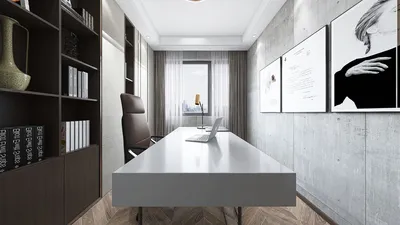


I view each wedding venue as a dynamic ecosystem that must harmonize aspects like guests, lighting, sound, and services without any friction. A well-structured space not only radiates beauty but also functions seamlessly during critical moments. In large gatherings, aspects such as movement, acoustics, and comfort significantly enhance guest experience, often surpassing the importance of aesthetics alone. Thus, my design strategy focuses on preempting essential moments: arrivals, ceremonies, dining, dancing, photography, and quick cleanups. A fantastic tool for planning these layouts is Homestyler, which allows for intricate simulations.
Two main data insights shape my foundational spatial framework. First, the flow of traffic and wayfinding is crucial: Research from Gensler shows a direct relationship between intuitive navigation and guest satisfaction, promoting smoother movement and reducing crowding (source: gensler.com/research). Second, maintaining environmental comfort is essential for sustaining energy during lengthy functions. Recommendations from WELL v2 suggest that ambient lighting should be around 300-500 lux for social activities, along with specific sound levels to ensure clear communication—guidelines that I adopt and customize for both ballrooms and adjoining areas (source: v2.wellcertified.com).
Designing the framework: Guest Arrival, Prefunction, and Ceremony Flow
I create a straightforward pathway from guest drop-off to welcome, through the prefunction area, and into the ceremony space. The valet or rideshare drop-off zone should be at least 12-14 feet wide, accommodating two vehicles with a sheltered canopy and a direct route for individuals with disabilities. To enhance comfort, I allocate 8-10 square feet per guest in the prefunction area if hors d’oeuvres are being served; I increase this by 15-20% if there are bars or photo booths present. Signage should be strategically placed: overhead labels at key decision points, eye-level indications for event details, and floor markings at entrances. For testing alternate seating arrangements or aisle configurations, I rely on layout simulation tools like Homestyler to assess movement during ceremony transitions.
Effective Seating Ratios and Sightlines
When it comes to banquet seating, room to maneuver is necessary for quick service and to keep attire safe. I typically assign tables for 8-10 guests with a spacing of 5 feet between them, and maintain 48 inches from the table edge to the nearest wall for smooth movement. For theater-style seating during ceremonies, a width of 20-22 inches per seat along with a row pitch of 36-42 inches ensures clear aisles; main aisles should be no less than 6 feet wide to accommodate processions. Stage heights should be set between 18-24 inches to ensure visibility while preserving an intimate atmosphere; a height of 30 inches is warranted only if the furthest guest is 80-100 feet back. I also meticulously position camera lines in the back corners to maintain clear sightlines for all guests.
Flattering Lighting for Guests and Photographs
Lighting is crucial to enhance the ambiance, energize the dance floor, and ensure great video captures while minimizing glare. My goal is to have 300-400 lux of ambient lighting during meals, ramping up to 500-600 lux for setup and down to 150-200 lux during dancing, with focused lighting on bars, floral arrangements, and the couple’s table. Using warm-white (2700-3000K) for dining fosters a cozy atmosphere, while 3200-3500K neutral-white lighting supports clarity during ceremonies. Aiming for a low Unified Glare Rating with diffused light sources, I also maintain vertical illuminance around 150-250 lux on faces to aid photography. Dimming controls should be smooth; using systems like DMX or DALI enables adaptability. I refer to illuminance levels from IES standards (ies.org/standards) and modify them for specific event needs with dedicated circuits for stage lighting, dance areas, and ambient settings.
Acoustic Environment for Every Moment
Ballrooms often have concerns related to hard surfaces and sound absorption, so I strategically blend material absorption with diffusion. I aim for a reverberation time of approximately 0.8–1.2 seconds during ceremonies and 1.0–1.4 seconds during receptions by incorporating drapes, upholstered seating, and acoustic ceiling tiles (NRC 0.70+). Speakers should be installed above audience head height and positioned away from corners to avoid echo. Additionally, I create a quiet space accommodating at least 10% of the total guest count for toddlers and senior visitors, using partitions and area rugs to lower noise levels by 5-8 dB. DJs and bands need to be provided with designated 20 A circuits, ensuring all cables are routed neatly out of sight.
Back-of-House Operations for Seamless Events
Even if guests can't see the logistics, they are acutely aware of them. I typically allocate 8-12 square feet per guest for the kitchen and staging areas, ensuring double-door access to the ballroom and a minimum 6-foot wide service corridor. Utilizing a dual-bar setup (main plus satellite) helps to minimize waiting times by placing bars diagonally opposite each other to manage crowds more effectively. Plate-up lines should be designed with 30-36 inch work aisles and 48 inches of clear space toward dining areas. Quickly transitioning between setups can be achieved through the use of rolling risers and portable dance floors, stored conveniently within 100 feet to save 20-30 minutes in setup time.
Prioritizing Guest Comfort: Ergonomics and Accessibility
For events where high heels and formal wear are expected, it's important to have even flooring, ramps with gradients no greater than 1:12, and handrails wherever level changes occur. An adequate restroom ratio ensures one fixture per 40-50 guests during peak intermissions. Chairs should have a seat height of 17-19 inches and soft edges for long ceremonies. A clear line-of-sight to key figures such as the couple and MC keeps guests engaged—therefore, I avoid the placement of structural columns obstructing head tables and utilize staggered seating arrangements when necessary. Additionally, the psychology of color will also subtly influence guest moods: warm neutrals and soft blushes can ease nerves before the ceremony, while vibrant colors on the dance floor can enhance energy; insights on these effects are available at verywellmind.com/color-psychology.
Versatile Space Design for Various Events
I typically opt for a three-zone approach: Ceremony/Stage, Dining, and Dance/Entertainment, each area equipped with tailored lighting and audio setups. After the ceremony, the stage backdrop can transform into a photo opportunity as staff convert the aisle area into a dance floor. Movable partitions and sheer curtains allow adjustments to the space according to the guest count, while portable bars can be repositioned based on crowd density. Utilizing Homestyler for capacity testing, I can quickly evaluate setups from 120 to 450 guests, ensuring sufficient egress and buffet arrangements.
Choosing Materials with Sustainability in Mind
Opt for materials that appear luxurious on camera while also being practical. Matte surfaces for tables and backgrounds can reduce glare, and using satin-finish metals means cleaner photos. Durable luxury vinyl tile (LVT) or engineered wood flooring is preferred over softer wood options for events that see a lot of heel traffic. To advocate for sustainability, incorporating LED lights with a color rendering index (CRI) of 90+ along with dimmable controls and adaptable draping setups minimizes waste. Planning linens and floral arrangements for reuse—such as using neutral base linens with seasonal accent table runners—can greatly reduce the need for one-time-use items.
Infrastructure for Power, Rigging, and Technology
Establish a power plan from the outset, designating power for stage left and right (20 A each), DJ/band setups (two 20 A), catering specifically, and house lighting on dedicated circuits to avoid interruptions. Ensure rigging points have safe working loads authenticated by a professional to support chandeliers and other structural setups. Wi-Fi should be capable of supporting 2-3 devices per guest during peak sharing times, utilizing venue-managed guest networks equipped for bandwidth management to ensure reliability.
Safety, Egress, and Compliance with Codes
Maintain a minimum of 36 inches for aisles leading to exits, expanding to 72 inches near main entrances. Make sure exit signs remain visible even after décor installations. Open flame regulations need to include glass coverings and sufficient distances from flammable materials. For outdoor areas, choose non-slip surfaces with edge lighting and create operational plans for inclement weather, accounting for wind and rain load.
Design Trends for 2024-2025 That Guests Notice
Guests will remember iconic, Instagram-worthy details: features like sculptural ceilings equipped with soft acoustic elements, dynamic lighting sequences that transition from ceremony to reception, and lounge areas that mix comfortable seating with café tables so guests can enjoy watching special moments like the first dance. Adaptive lighting coordinated with the couple’s color palette creates a glamorous yet cost-effective transformation without a need for extensive infrastructure changes.
Guest Count Planning and Space Budgeting
- 120–180 guests: 3,500–5,000 sq ft ballroom space, 800–1,200 sq ft prefunction area, 600–900 sq ft back-of-house staging area.
- 200–300 guests: 6,000–8,000 sq ft ballroom, 1,500–2,000 sq ft prefunction space, 1,000–1,500 sq ft back-of-house.
- 350–450 guests: 9,000–12,000 sq ft ballroom, 2,500–3,500 sq ft prefunction, and 1,800–2,500 sq ft back-of-house.
Be prepared to adjust for substantial live band stages, elaborate setups, or immersive backdrops that can occupy an additional 400–900 sq ft.
Coordinating Vendors and Timelines Efficiently
I arrange a site visit with all vendors—including planners, photographers, AV teams, florists, and caterers—about four weeks prior to the event to finalize logistics such as cable management, rigging, and staging details. A cue-to-cue rehearsal is organized to sync lighting with the planned schedule. I allocate 60-90 minutes between the ceremony and dinner for photography and room turnovers, utilizing prefunction bars and lounge setups to keep guests engaged while they wait.
Frequently Asked Questions
Q1. How much space should I allocate per guest for a seated dinner?
A1. Aim for 10-12 square feet per guest for round table setups, increasing to 12-14 square feet if buffets, large centerpieces, or wide aisles are required for dresses and formal attire.
Q2. What lighting levels should be targeted?
A2. For dining, aim for 300-400 lux ambient light, reduce to 150-200 lux with accent lighting for dancing, and 500-600 lux for setup phases. Ensure that vertical illumination on faces is around 150-250 lux for photography, using IES and WELL v2 guidelines for reference.
Q3. How can I prevent long waits at the bar?
A3. Implement a dual-bar system positioned diagonally to share the demand, ensuring clear queue pathways, and consider supplying a mobile beverage cart to circulate in high-traffic areas during the first 30 minutes after the ceremony.
Q4. What’s the appropriate size for a dance floor?
A4. Anticipate that 35-45% of guests will be dancing at the same time and plan for 4.5-5 square feet per dancer. For around 300 guests, a 20 ft × 24 ft dance floor (approximately 480 sq ft) serves as a good starting point; increase accordingly if a live band is involved.
Q5. How can I optimize acoustics in a hall with hard surfaces?
A5. Incorporate drapery along at least one long wall, specify ceiling panels with an NRC of 0.70+, and place speakers away from the corners. Adding a soft backdrop behind the stage can improve intelligibility for vows and speeches.
Q6. What accessibility features should be prioritized?
A6. Ensure that all routes to the stage and dining areas are step-free, with ramps no steeper than 1:12, provide companion seating with unobstructed sightlines, and include accessible restrooms at the same level as the ballroom.
Q7. Is warm or cool lighting preferable for ceremonies?
A7. Warm-white lighting in the 2700–3000K range is best for flattering skin tones and fostering intimacy. For brighter visuals down the aisle, include neutral whites (3200–3500K) from the front lights while keeping backlights warm.
Q8. How should I plan for power requirements for bands and DJs?
A8. It's essential to provide dedicated 20 A circuits for the DJ and an additional 20 A for lighting. Bands may require two or more circuits depending on their power needs; it's important to verify this on their technical rider while ensuring cables are routed cleanly.
Q9. What color schemes are best for photography?
A9. Matte neutrals paired with a few vibrant accents offer attractive visuals in photos. Steer clear of high-gloss white backgrounds that might create glare; opting for satin finishes and soft fabrics will enhance depth in images.
Q10. What are best practices for managing a swift room turnaround?
A10. Pre-arranging linens and centerpieces on rolling racks, utilizing modular dance floor panels, and engaging dedicated teams for décor, audio-visual, and food/beverage services can allow for a realistic 60-90 minute turnover if circulation routes and storage are well planned within 100 feet.
Q11. What’s a reasonable restroom fixture ratio?
A11. A practical target is one fixture per 40-50 attendees to prevent queues during intermissions, supplemented with clearly signed secondary facilities, if available.
Q12. What essential technology should be included?
A12. Consider integrating dimmable LED house lights, advanced DMX control systems, ceiling rigging points certified for various loads, strong guest Wi-Fi capabilities, and floor outlets at key locations like stages and dance floors for efficient power and connectivity.

Discover the beauty of your home with Homestyler! This user-friendly online design platform offers an innovative design tool, stunning 3D renderings, and a wealth of DIY video tutorials. Whether you're a beginner or a seasoned designer, Homestyler helps you turn your creative visions into reality effortlessly.
Design jetzt kostenlos
































