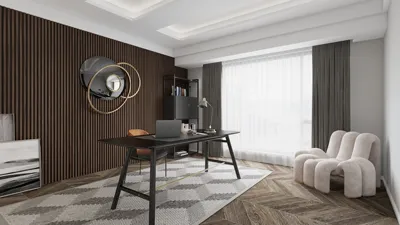


A premium hospital room should offer more than just an attractive appearance; it must significantly enhance patient recovery, minimize stress, and facilitate efficient care. In my design projects, I focus on aspects such as restorative lighting, soundproofing for uninterrupted sleep, intuitive room layouts, and furniture that honors both medical efficiency and patient dignity. One innovative tool that complements this design process is Homestyler, which allows for effective visualization of space and layout.
Using data to validate these design choices is essential. The WELL Building Standard v2 highlights the importance of natural light, circadian-friendly lighting, and sound insulation as core elements impacting health outcomes. Research conducted by Steelcase indicates that noise, glare, and confusing designs are significant contributors to stress in healthcare settings, while findings from Herman Miller link ergonomic access and clear visibility to reduced staff fatigue and enhanced patient experiences. The following priorities are illustrated, along with a reference to the WELL framework for further exploration: WELL v2 (Lighting, Mind, Sound).
On a quantitative level, I aim for 300–500 lux of ambient light in patient rooms, with task lighting reaching up to 1,000 lux at the headwall during clinical activities, in line with IES guidelines for patient care. For acoustics, it's important to keep nighttime noise at or below 35 dBA, managing short sound peaks—these benchmarks are informed by best practices aimed at enhancing sleep quality. Varying color temperatures from approximately 3500 K during the day to 2700 K at night also help support circadian rhythms, utilizing dimming features and low-glare optics to prevent discomfort from reflections.
Creating a Calm and Clear Room Zoning
The finest deluxe hospital rooms function like small suites, comprising distinct zones for patient wellness, family engagement, and discreet clinical services. This clear delineation of spaces reduces cognitive burdens and simplifies daily routines, guiding where to sit, how to store items, and fostering meaningful conversations without intruding on medical care. When designing these layouts, tools such as Homestyler can aid in visualizing spatial relations and ensuring adequate clearances.
Strategizing the Patient Bed Wall and Headwall
Begin with the headwall: integrate essential medical gas supplies, electricity, data connectivity, and indirect uplighting to minimize glare while still allowing for exam-level task lighting when required. Ensure nurse call and lighting controls are easily accessible within a 20–30 inch range from the bed’s centerline; ergonomic design principles, including those from Herman Miller, indicate that having primary controls within neutral reach reduces strain and promotes quicker response times. From the bed, curate a view featuring a focal wall painted in warm, neutral tones such as pale moss and muted blues, which contribute to lowering anxiety as supported by color psychology research. Avoid using high-saturation reds that could elevate heart rate.
Creating a Family Zone: Blending Comfort with Functionality
Recognizing that families play a crucial role in patient recovery, I recommend including a loveseat or sleeper chair within 24–30 inches of circulation space between seating and furniture. A small dining surface that’s easy to clean, along with integrated charging ports, personal lighting, and acoustic barriers, allows family members to visit without overwhelming the patient. Upholstery should sustain the healthcare environment, being bleach-cleanable or made of high-grade polyurethane to withstand wear. Radius edges on millwork help reduce risk of injury and enhance cleanability.
Clinical Service Zone: As Discreet as Possible yet Immediate When Needed
Designate a storage area for portable medical equipment like IV poles and vital sign carts, ensuring the room maintains a residential feel when such items are not in use. Sliding panels or tambour doors should conceal medical devices but open with one hand. Allow for 5-foot turning diameters for beds and wheelchairs, with color-matched guards protecting wall corners.
Lighting Solutions for Wellness and Procedures
Incorporating layered lighting is essential: ambient illumination should range from 300–500 lux, diffuse and low-glare; bedside task lighting must be adjustable up to around 1,000 lux for reading or procedures; and nighttime lighting should be ≤5 lux to ensure safe navigation without disturbing the patient. Tunable white lighting systems can follow a soft 24-hour schedule; the WELL v2 guidelines promote strategies that synchronize lighting to support restful sleep and recovery. To ensure accurate skin tone assessment, employ lighting with a CRI of 90 or above, and use fixtures that limit discomfort glare by maintaining UGR ≤19.
Ensuring Acoustic Comfort and Privacy
Acoustic design is often what distinguishes a room that merely looks luxurious from one that provides genuine healing. Aim for wall sound transmission classifications (STC) of 50 or higher for walls adjacent to corridors or other rooms, and install drop seals on doors. Utilize acoustical ceiling tiles boasting an NRC of 0.75 or greater, supplemented with soft materials near the family area, such as textiles and wall panels. Relying on white noise should be a last resort; instead, prioritize thoughtful sound isolation and absorption techniques. Additionally, design door closers for a controlled, gentle closure, and specify soft-close mechanisms for all cabinetry.
Color, Materials, and Infection Control Considerations
Employ evidence-based color palettes: nature-inspired hues with a light reflectance value (LRV) of 20–50 help maintain brightness while minimizing glare. Ensure a contrasting LRV of 30 between the floor and wall base to support navigation for those with low vision. For floors, seamless sheet vinyl with heat-welded seams or poured resin systems are preferable in clinical areas; soft rugs should be avoided for infection control reasons. Countertops should be solid surface or compact laminate with integral coved backsplashes, and utilize antimicrobial copper alloys for frequently touched hardware where possible. Choose finishes that can endure hospital-grade disinfectants without degradation.
Focusing on Ergonomics and Human Factors
Implement cabinet pulls that are operable with a closed fist, and faucets that function via lever or sensor activation. Bedside controls should feature high-contrast icons and tactile differences. Adjustable-height overbed tables should be set between 26 and 42 inches, with visitor seating at 18–19 inches to facilitate easy exits. A sit-stand staff perch located next to the headwall will help reduce strain and enhance nurse responsiveness. Walk-off mats at entry points serve to limit contaminants and improve slip resistance.
Bathroom Design: Merging Safety and Spa-Like Comfort
Plan for a 60-inch turning radius, a curbless shower that features a gentle slope between 1–2%, and flooring with a slip-resistance coefficient (DCOF) of at least 0.42 wet. Position grab bars at heights of 33–36 inches, ensuring both vertical and horizontal configurations are accessible near the toilet and shower. Use thermostatic mixing valves with anti-scald limits, and consider including a dim nightlight as well as a warm 2700 K setting for evening shower use; glare-free lighting is essential. Shelves and dispensers must be within easy reach, avoiding the need for overreaching or twisting.
Integrating Technology and Intuitive Controls
Incorporate bedside tablets or pillow speakers that facilitate nurse calls, lighting controls, and entertainment options, equipped with multilingual interfaces and high-contrast settings. Ensure that cable management is discreet yet accessible for maintenance needs. Offer secure storage for personal devices and small safes. Smart glass or motorized shades provide patients with control over daylight from their beds, allowing them privacy while supporting rest without requiring staff assistance.
Designing for Cleanliness and Maintenance
Every edge should be designed for ease of cleaning: coved bases, minimized seams, removable cushion covers, and protective wall bump zones. Opt for finishes known to resist quaternary ammonium compounds and bleach. For a wood aesthetic, specify high-pressure laminate or vinyl planks approved for healthcare settings, incorporating transition strips that prevent tripping hazards.
Sustainability Choices Without Compromising Quality
Employ low-VOC adhesives and finishes to safeguard sensitive patients. LED lighting systems equipped with occupancy and daylight sensors not only save energy but also align with circadian design principles. Selecting durable, repairable furniture can reduce lifecycle costs and maintenance disruptions. Choose materials that are vetted by credible sustainability databases and standardize components to feed into long-term replaceability plans.
Strategizing the Layout
Before finalizing designs, it's important to prototype various layouts using a trusted interior planning tool, such as Homestyler, to assess door swings, gurney pathways, and sightlines from both corridors and nurse stations. Rapid iterations can highlight potential pinch points—especially around bathrooms and family resting areas—allowing for early resolutions so that the design is both functional and efficient.
Enhancing Patient Experience with Service Details
Include a small hospitality bar with filtered water and a hidden minibar, fragrance-free linens, coat storage at the entrance, and a dedicated spot for flowers to maintain an orderly room. Biophilic artwork and dimmable lighting fixtures contribute to a residential ambiance. Ensure that signage is calm, consistent, and legible from the patient's bed, enhancing ease of navigation.
Frequently Asked Questions (FAQ)
Q1. What are the optimal lighting levels for a premium hospital room?
A1. Aim for ambient lighting between 300–500 lux, task lighting up to ~1,000 lux at the bedside for medical examinations, and ≤5 lux for nighttime navigation. Utilize 90+ CRI light sources and warmer 2700–3000 K lighting for the evening, ensuring glare management is prioritized.
Q2. How do acoustics impact patient recovery?
A2. Reducing nighttime noise levels significantly enhances sleep quality, directly affecting healing. High STC ratings for walls, sealed doors, and high NRC ceilings minimize sound transmission and reverberation while using soft-close hardware can eliminate impulsive noise.
Q3. What colors are effective in reducing stress within patient rooms?
A3. Muted shades of blues and greens, calm grays, and nature-inspired neutrals are often effective in lowering arousal levels. Strive for moderate saturation while avoiding vast expanses of high-chroma reds or oranges in close proximity to the bed.
Q4. Which type of furnishings are suitable for a family area?
A4. Opt for a sleeper chair or loveseat with durable upholstery suited for healthcare, accompanied by a compact dining surface, dedicated task lighting, integrated charging options, and acoustic barriers to allow family members to be present without disrupting the care process.
Q5. How should the bathroom be designed to ensure safety and dignity?
A5. Provide a curbless shower, a minimum of 60 inches in turning clearance, DCOF flooring rating of ≥0.42 when wet, thoughtfully positioned grab bars, thermostatic valves for temperature control, and glare-free lighting accompanied by a nightlight to aid orientation.
Q6. How can one balance aesthetic appeal with infection control in the room?
A6. Choosing finishes that exhibit a residential feel yet meet healthcare standards is critical: seamless or heat-welded flooring, solid-surface counters, coved bases, and moisture-repelling fabrics are all essential components that can withstand hospital-grade disinfectants.
Q7. What technologies can heighten patient comfort without adding burden to staff?
A7. Implement bedside interfaces that control lighting, shades, and entertainment; consider motorized roller shades and clear, multilingual user interfaces. Ensure cable management remains concealed yet functional, and provide intuitive physical overrides for users as needed.
Q8. How to maintain clear pathways for beds and other equipment?
A8. Ensure a minimum 5-foot turning radius, take precautions to protect corners, and verify gurney routes and door swings using a layout simulation tool before construction to eliminate any potential bottlenecks.
Q9. Are tunable white lighting systems beneficial in patient rooms?
A9. When programmed effectively, tunable systems align light color with the time of day—brighter, cooler light during the day; softer, warmer tones in the evening; thus assisting in the minimization of sleep disturbances and stress levels.
Q10. Which subtle elements enhance the feeling of luxury in a hospital room?
A10. Features such as concealed storage for equipment, soft-close cabinetry, nature-themed artwork, high-quality linens, filtered water stations, and consistent signage that is easily read from bed all contribute to elevating the patient experience.
Q11. How can staff ergonomics be improved within a deluxe hospital room?
A11. Include a sit-stand workstation at the headwall, ensure neutral-reach storage solutions, provide wrist-friendly pulls, and establish clear sightlines. These improvements help alleviate strain while enhancing care efficiency without clutter.
Q12. What sustainable practices align with healthcare requirements?
A12. Employ low-VOC finishes, high-performance LED options with controls, and select durable, repairable furnishings to minimize waste and downtime, thereby maintaining safety standards without compromise.

Homestyler is an ideal platform for anyone looking to transform their home. With its user-friendly online design tool, stunning 3D renderings, extensive design projects, and helpful video tutorials, you can effortlessly create and visualize your dream space—no experience needed!
Design Now for FREE
































