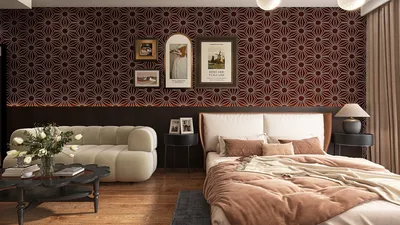


I see prayer rooms as personal sanctuaries where elements like light, proportions, and calming materials harmonize to foster ritual and reflection. In modern homes—often compact and versatile—design must embody a timeless essence, remain uncluttered, and promote a soothing acoustic environment while harmonizing with contemporary lifestyles, making tools like Homestyler invaluable for effective planning.
Research consistently demonstrates that surroundings influence wellbeing and concentration, both vital for prayer practices. The WELL v2 Light framework advises on optimal lighting levels and low glare to promote circadian rhythms, while IES standards assist in setting task and ambient lighting parameters for enhanced visual comfort. Additionally, color psychology, as distilled by Verywell Mind, indicates that tranquil colors such as soft blues and muted greens can alleviate stress, supporting a more centered mindset. These principles inform the subsequent design considerations.
The layout of a home plays a critical role in how effectively a room facilitates regular practices. Insights from Steelcase highlight that visual and acoustic separations can enhance sustained focus, which is equally beneficial for devotional activities. In compact living spaces, a dedicated niche that controls light and sound can often outperform larger, multifunctional areas. When arranging a room, I frequently utilize Homestyler to experiment with design configurations, ensuring adequate clearances, sightlines, and ergonomic seating.
Foundations: Proportions, Orientation, and Flow
Spatial proportions are essential for comfort. For most residences, a footprint of 3–6 m², alongside a clear 900 mm circulation route around central elements like prayer mats or benches, offers a generous feel without excess. If rituals necessitate specific directional orientation, position the room to minimize distractions along the primary sightline, using neutral walls or soft focal points. The entryway should be subtle—using sliding doors or soft-close mechanisms can diminish noise while maintaining serenity at the threshold.
Lighting Strategy: Daylight, Dimming, and Glare Management
Lighting should be layered effectively. For peaceful reflection, aim for ambient levels of around 100–200 lux, while task lighting may ascend to 300–500 lux for reading. Employ warm white LEDs (2700–3000K) for evening rituals to signal relaxation; during the day, indirect sunlight or sheer-filtered windows will help reduce harsh contrasts. Install baffle fixtures to guard against glare on shiny surfaces. Implementing a two-circuit lighting system—one for ambient light and one for tasks—along with a low-range dimmer allows nuanced control of lighting without visual clutter. Following IES standards fine-tunes illuminance and uniformity, while the WELL v2 framework emphasizes glare metrics and visual comfort particularly in smaller spaces.
Color and Material: Attaining Serenity without Sterility
Color psychology advocates for soft, muted palettes for tranquility. I typically utilize warm neutrals such as sand, mushroom, and light taupe, pairing them with cooler shades like sage and muted blue-gray, striking a balance between warmth and clarity. Choose tactile, matte materials with low VOCs: limewash or mineral paints for walls, oiled wood for cabinetry, and natural fabrics. Establish a sensory hierarchy—the texture of a woven rug, the sleek feel of a kneeling bench, the gentle grains of ash or oak. When displaying symbolic items, frame them within simple joinery to prevent a cluttered appearance.
Acoustic Comfort: Implementing Soft Boundaries and Silent Hardware
Prayer requires focus, thus minimizing reverberation is crucial. Incorporate absorptive finishes like a wool rug, an upholstered bench, and fabric-wrapped panels behind the focal wall to reduce echoes. Seal door edges with soft gaskets, choose quiet hardware, and avoid buzzing LED driver components. If the space opens to a lively area, a double-layered gypsum installation combined with resilient channels can reduce noise transmission by 8–10 dB, effectively minimizing typical household distractions.
Storage and Display: Curated Spaces over Cluttered Ones
Devotional items deserve respect and organization. Create a shallow niche (150–200 mm deep) equipped with concealed LED strips for a subtle, indirect glow. Utilize closed storage for books or accessories to maintain visual ease; limit open displays to one or two key items. Incorporate a slender drawer for storing incense, candles, or prayer beads, lining it with natural felt to prevent chaos from smaller objects.
Ergonomics: Enhancing Seating, Posture, and Accessibility
Human factors are essential. If kneeling or seated reading is part of rituals, ensure bench height is around 430–460 mm, featuring gently rounded edges. Offer a supportive floor cushion with firm foam to facilitate proper spinal alignment. For individuals with limited mobility, a sturdy armrest or wall-mounted grab rail in a fitting finish can be beneficial. Keep a clear pathway of 800–900 mm to the main position, with switches installed between 900–1100 mm AFF for comfortable access.
Fragrance, Air Quality, and Overall Wellness
A mild fragrance can signal the start of a ritual, but proper ventilation remains pivotal. Use natural incense sparingly and ensure a dedicated operable window or a silent, low-sone exhaust system is in place to eliminate particulates. Opt for unscented candles or beeswax to minimize soot. Introducing two small low-maintenance plants can provide a biophilic calm without introducing clutter. If the home employs mechanical ventilation, utilizing MERV 11–13 filters can assist in capturing fine particles from occasional incense.
Seamless Integration of Modern Technology
Technology should enhance, not overshadow, the space. A small shelf for devices like phones or e-readers, accompanied by a concealed wireless charger, prevents technology from becoming intrusive. Utilize an app-controlled dimmer to set preset scenes (Morning, Midday, Evening) while eliminating notifications during prayer. For audio integration, consider a compact speaker with a fabric grille, ensuring volume limits are in place.
Layout Solutions for Compact Homes
In smaller apartments, I often create a prayer niche from underutilized circulation areas: a 1.2–1.5 m wide alcove with a pocket door and full-height storage on one side. Position the focal wall centrally, employing indirect lighting to maintain confidentiality in adjacent spaces. For multi-faith families, a flexible layout accommodating various rituals—movable floor cushions, a folding kneeler, adjustable shelves—can be incredibly useful. Employing a room layout tool, like Homestyler, helps validate proportions and privacy aspects prior to making any construction commitments.
Material Sustainability and Care
Choose materials designed for longevity: solid wood, mineral paints, and natural textiles. Steer clear of high-gloss plastics that amplify glare and attract dust. If the flooring accommodates a prayer mat, select low-pile rugs for straightforward maintenance and stability. Incorporate a non-flammable tray made from stone or ceramic under candles to capture wax and protect the floor from damage.
Focal Points: Artifacts, Displays, and Lighting
Instead of overcrowding walls, celebrate a singular focal element using balance and symmetry. Center it along the primary sightline, ensure adequate space around it, and illuminate it with soft lighting set around 200–250 lux. When incorporating reflective metals, maintain shallow angles to minimize glare. Any artwork should encourage contemplation, utilizing muted colors, simple forms, and materials that resonate with the overall room palette.
Routine and Ritual: Crafting for Daily Practice
Design gains momentum through routine. Establish an arrival cue—a welcome rug, a gentle lamp setting, or a discreet scent—that indicates the shift from daily distractions to serene practice. Store items based on usage frequency; frequently used items should remain at hand height, while occasional pieces can be elevated or hidden behind doors. A small journal or intention card can reside in the main drawer, reinforcing mindfulness without cluttering the visual space.
Trustworthy References
The WELL Building Standard (v2) provides recommendations for lighting comfort and circadian rhythm support; IES lighting guidelines offer practical targets for illuminance and glare management. For calming color suggestions, Verywell Mind’s summaries on color psychology offer accessible and research-based insights. I rely on these resources to ensure design decisions are evidence-based while respecting individual traditions.
Explore the guidelines provided by WELL Building at WELL v2. Review lighting principles through IES standards.
FAQs
For ambient reflection, aim for lighting levels of 100–200 lux; for reading purposes, strive for 300–500 lux with dimming capabilities. Maintain low glare through indirect fixtures and matte finishes, as recommended by IES guidelines.
Opt for soft neutrals (sand, taupe) combined with muted cool hues (sage, blue-gray) to minimize visual strain. Research into color psychology compiled by Verywell Mind indicates these shades correlate with reduced stress levels.
Incorporate a wool rug, upholstered benches, and fabric panels on the focal wall for better acoustics. Ensure door seals are tight and select silent dimming systems and drivers to limit mechanical noise.
Select matte, natural materials like oiled wood, mineral paint, and natural textiles. Avoid high-gloss plastics that enhance glare and invoke a sterile environment.
Utilize scene-based dimmers, concealed wireless charging options, and ‘do-not-disturb’ modes. Ensure devices are positioned away from the main line of sight and minimize auditory alerts.
A well-organized alcove (approximately 1.2–1.5 m wide) with acoustic buffer zones and managed lighting can perform just as effectively as a larger room, especially in smaller dwellings.
Employ closed storage for books and other accessories, while showcasing a single focal niche illuminated by hidden LEDs. Position everyday items within easy reach for a sense of order.
Design benches with a height of 430–460 mm featuring soft edges for enhanced comfort. Additionally, include a firm cushion for support during seated practices.
Install an operable window or a quiet exhaust fan. Select beeswax or unscented candles and use a non-flammable tray for safety and ease of cleanup.
Testing sightlines, accessibility, and adjacency with a room layout tool or layout simulation software helps confirm proportions and privacy prior to the construction phase.
What began as an Autodesk innovation has evolved into a design platform used by more than 18 million people around the globe. Homestyler combines powerful rendering, an intuitive editor, and a vast furniture library to help you turn inspiration into photorealistic designs — whether you're redesigning a single room or planning an entire home.

Minimalist Solid Wood Rattan Double Tier Coffee Table 3D Model

Meridian Furniture 77054Natural Everson Collection
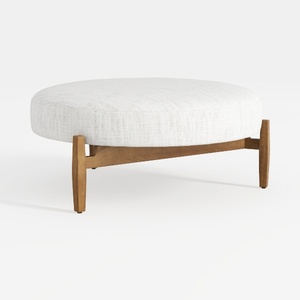

Minimalist Mid Century Fabric Round Ottoman 3D Model
Homestyler is your go-to platform for effortless home design. With its user-friendly online design tool, stunning 3D renderings, and rich library of DIY video tutorials, transforming your space has never been easier. Explore countless design projects and unleash your creativity today!
Design Now for FREE
































