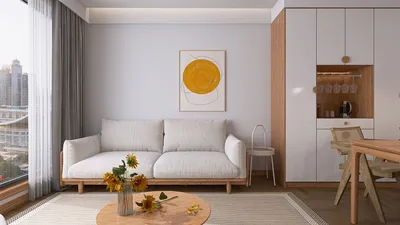


Throughout my career, I’ve transformed numerous multi-functional venues, discovering that the secret lies in meticulous planning coupled with bold design choices. When designing spaces like the Naveen Function Hall, the essence of elegance begins with optimal proportions, effective light management, and seamless flow. In venues that excel, thoughtfully arranged seating and movement pathways can enhance the feeling of spaciousness and elevate guest satisfaction. Research from Gensler indicates that environments conducive to diverse work modes can enhance productivity by as much as 14%, a principle that is equally essential in creating multi-zone event spaces where individuals can dine, interact, and present concurrently. Furthermore, lighting plays a critical role—following IES guidelines, maintaining a general ambient light level between 100–300 lux for dining and 300–500 lux in presentation areas strikes a balance between comfort and visibility, while allowing room for spectacular highlights.
Designing for human comfort is paramount to both the overall design and the guest experience. Research by Herman Miller illustrates the link between supportive seating and increased concentration, which emphasizes the need for event seating that marries comfort with aesthetics. Items such as padded chairs, designed with suitable seat heights (17–19 inches) and lumbar support, enhance comfort throughout lengthy events like ceremonies and conferences. The WELL v2 standards advise on managing glare, optimizing color rendering, and reducing noise, as strategies like smart dimming, indirect lighting, and sound treatments can alleviate sensory overload and keep participants engaged. Every design principle applied at Naveen Function Hall transitions it from being merely a pleasant setting to a memorable venue that guests are eager to revisit. For an in-depth examination of how quality lighting contributes to health and comfort, consider the WELL Building Standard (v2).
Color serves as an emotional asset in design. According to Verywell Mind's exploration into color psychology, warmer colors may invoke feelings of warmth and excitement, while cooler tones convey calmness and sophistication. My approach typically involves establishing a neutral base (incorporating warm whites, soft stones, and smoke grays) and then embellishing it with seasonal accents—like blush and champagne for weddings, navy and brass for elegant evening events, or slate grays paired with eucalyptus for corporate sophistication. The chosen color palette should complement the skin tones of individuals on stage and in photographs; utilizing high CRI (90+) lighting helps ensure that nudes, florals, and textiles appear vibrant and true to color without distortion.
Strategic Design: Spatial Arrangement, Flow, and Points of Interest
The success of a function hall hinges on effective circulation. It’s essential to maintain primary aisles with a minimum width of 5–6 feet to facilitate service and accessibility, expanding to 8 feet near key areas like bars and buffets to prevent congestion. Organize zones—such as reception, dining, lounging, and stage areas—with clear lines of sight to maximize the visual impact on the main focus area. To explore flexible configurations, I utilize room layout tools like Homestyler for simulating seating and staging arrangements, allowing me to test for capacity, sightlines, and exit routes before finalizing the design. This tool aids in visualizing transitions—from ceremonies to dining and dancing—without extensive resets.
Proportion is an understated yet vital aspect of design. In spaces with ceilings that soar 12–18 feet, vertical elements (such as drapery, lush greenery, and suspended lighting structures) should occupy about one-third of the height to avoid creating a cavernous effect. Tablescapes also thrive on rhythm: alternating the heights of centerpieces (such as low, low, high) fosters interaction across tables while drawing attention to the couple's table or the speaker's podium.
Lighting Design: Layers, Ambiance, and Clarity for Photography
I structure lighting into three distinct layers: ambient, task, and accent. Ambient lighting establishes a baseline comfort level (dimmable warm white light around 2700–3000K for dining settings; 3000–3500K for presentations). Task lighting enhances the visibility on podiums, buffets, and bars—using focused beam angles to minimize light spill and glare. Accent lighting—such as pinspots for table centerpieces, washes for textured walls, and soft backlighting for the stage—adds complexity and depth. Aim for a vertical illuminance on faces around 100–150 lux to achieve flattering photography, ensuring backlights are set 30% dimmer to preserve a sense of dimensionality. Additionally, ensure that all lighting is flicker-free for video compatibility.
Minimizing glare is essential for maintaining mood. Utilizing uplighting with baffles, indirect sconces, or coved LED strips can evenly illuminate walls. For chandeliers, incorporate dim-to-warm LED bulbs to transition smoothly from a vibrant cocktail atmosphere to a cozy dining setting without unexpected color shifts. It’s crucial to maintain separate electrical circuits and DMX/0–10V zones for rapid scene transitions.
Acoustic Comfort: Clarity without Echo
True elegance is characterized by clear speech and harmonious music, not an echoing ambiance. Striking a balance in reverberation time (RT60) requires mixing soft materials—like velvet drapes, concealed acoustic panels, and area rugs in lounges. Position subwoofers away from corner walls when possible to diminish resonant bass. For speeches, utilizing cardioid microphones and strategically placed nearfield speakers keeps volume levels consistent without overwhelming the audience closest to the stage. In rooms with hard surface finishes, I may introduce removable acoustic banners for corporate functions while stowing them for weddings that desire a more sparkling atmosphere.
Material Selection: Long-Lasting, Photogenic, and Eco-Friendly
It’s critical for materials to withstand high turnover while maintaining an upscale appearance on camera. I prefer matte textures that minimize glare, stain-resistant high-performance fabrics, and FSC-certified wood finishes wherever feasible. Incorporating metal accents in brushed brass or blackened steel adds sophistication without being ostentatious. Floral arrangements and greenery really shine against neutral backdrops; for those on a budget, preserved foliage can add structure throughout extended events.
Seating and Table Design
When planning weddings at the Naveen Function Hall, I implement a blend of 60-inch round tables and rectangular banquet tables to evoke rhythm and facilitate service lanes. A spacing of 18 inches between chairs and 60 inches between table edges ensures smooth movement. For corporate banquets, I often opt for crescent-shaped rounds oriented towards the stage to ensure unobstructed sightlines. Employing textured linens—like stonewashed cotton or matte satin—helps reduce reflective surfaces in photographs; pairing these with ceramic or matte glass chargers and warm-toned flatware adds layers of visual depth.
Stagecraft and Backdrops
A well-defined stage makes a notable difference. Elevating the platform by 12–18 inches for audiences up to 150 and 18–24 inches for larger groups can improve visibility. Flanking the stage with vertical elements—like floral arrangements, light columns, or fabric banners—helps frame the couple or speaker beautifully. Create a layered backdrop that features a textured drape, a central layer of greenery or mesh, and a visually striking accent, such as floating candles or LED pixel displays. Conceal cables with skirting and maintain tidy cable pathways for a polished appearance.
Entrance and Bar: Crafting First Impressions
The arrival experience sets the tone for the event. Design a memorable threshold through a decorative arch, subtle scent elements (like white tea or cedar), and a hospitality feature—such as a still/sparkling water station or a welcome tray. Bars should be capable of operating at two distinct speeds: serving high volumes during intermissions and providing an intimate mixology experience during quieter periods. Construct the bar at a height of 42 inches with an accompanying 12-inch footrest, complemented by under-bar lighting to enhance visibility. Back bar mirrors can amplify light, while matte shelves help control reflections.
Color Psychology and Seasonal Trends
Spring/Summer weddings: incorporating blush, peach, dove gray with candlelight at 2700K; airy drapery featuring soft uplighting.
Formal evening galas: utilizing navy, black, and brass tones with 3000K key lights alongside pinspots; opting for richer textiles like velvet.
Corporate elegance: featuring slate, eucalyptus, and white; maintaining a 3500K ambient light alongside precise podium washes and minimalistic floral arrangements with structured greenery.
Strategically plan color accents to appear in a 30/60/10 ratio—60% base neutrals, 30% secondary tones, and 10% high-contrast metallics or blooms—ensuring the space feels balanced while allowing personality to flourish.
Arranging Layouts for Various Event Formats
Design a grand aisle aligned with a captivating backdrop, centering a sweetheart table flanked by symmetrical lighting, and anchoring the dance floor between dining areas. I prototype several ceremony-to-reception transitions using a layout simulation tool like Homestyler, minimizing the need for reconfiguration and labor. Experimenting with diagonal table setups can enhance sightlines and create dynamic visual interest.
For corporate events, employ crescent seating directed towards the stage, ensuring a dedicated AV corridor and a secondary lounge space for networking, all accompanied by softer lighting and lowered reverberation levels. Maintain an unimpeded 8-foot passage for service. Using a room design visualization tool aids in planning sightlines for remote camera operators and confidence monitors.
Utilize standing tables at a height of 42 inches combined with lower lounge seating. Clustered conversational areas can help dampen noise levels across the room. Position the bar in opposition to the entrance to guide guests through the venue and avert congestion.
Operational Planning: Power Management, Back-of-House, and Turnaround Times
Ensure the venue is equipped with dedicated 20A circuits for lighting and audio/visual equipment, utilizing cable trays or flooring mats to keep aisles neat and safe. The back-of-house area should feature a staging section for 6–8 tables, ample hot box space, and a clear dish return route unobstructed by guest traffic. For efficient turnovers between events, pre-set alternative linens and modular decor on mobile racks help quicken transitions.
Cost-Effective Strategies that Exude Luxury
- Prioritize investment in lighting control and pinspotting; even basic floral arrangements appear luxurious under targeted lighting.
- Rent premium chairs for head tables while utilizing standard seating frames for the remainder, upgraded only with premium cushions.
- Employ massing of greenery paired with select standout blooms to maximize impact without inflating budget costs significantly.
- Choose one striking statement piece—like a sculptural chandelier or entry installation—and keep other elements restrained to maintain an elegant atmosphere.
Measuring Success and Gathering Feedback
During initial events, meticulously track guest flow and service durations to enhance space layouts. If over 15% of attendees wait beyond five minutes at the bar, consider adding a secondary service point or pre-batching specialty cocktails. Solicit client feedback regarding comfort levels, acoustic quality, and lighting; nuanced adjustments in vertical illumination or RT60 can yield significant improvements.
Further References for Validation
Delve into lighting guidelines from IES standards and health-optimized lighting strategies from WELL v2 for augmented specification support. These resources align seamlessly with the operational principles applied in spaces like Naveen Function Hall.
Frequently Asked Questions
Q1. What lighting color temperature works best for weddings versus corporate events?
A warm 2700–3000K is ideal for weddings and evening galas to create a soft, intimate atmosphere. In contrast, corporate events benefit from 3000–3500K to maintain crisp visuals and accurate material colors. Ensure lighting is adjustable for versatile scene transitions.
Q2. How many guests can I comfortably seat without feeling crowded?
As a general guideline, 60-inch round tables can comfortably accommodate 8 guests, provided there is a 60-inch clearance between tables to ensure ease of movement. For more confined spaces, integrating rectangular tables helps maintain aisle widths of over 5–6 feet, expanding to 8 feet near service points.
Q3. What methods can I employ to enhance speech clarity in noisy environments?
Incorporate soft furnishings—such as drapes, rugs, and discreet acoustic panels—to reduce reverberation. Utilize strategically distributed loudspeakers set at moderate volumes, along with cardioid microphones. Whenever possible, position the stage away from walls that reflect sound.
Q4. How should I vary centerpiece heights to optimize guest engagement?
Incorporate a mixture of low pieces (under 12 inches) and selected tall arrangements (24–30 inches) that allow for unobstructed sightlines across the table. Avoid mid-range heights that block views; focusing lighting on taller arrangements adds drama without overwhelming the table’s overall ambiance.
Q5. What guidelines should I follow regarding chair and table ergonomics?
Aim for a chair seat height of 17–19 inches paired with a 30-inch dining table height. Padded seating featuring breathable materials enhances comfort and minimizes fatigue during extended programs.
Q6. What strategies can I implement for efficient room transitions from ceremony to reception?
Prepare reception tables at the periphery, utilize rolling risers, and define circuit-based lighting settings. Mapping out transitions with an interior layout planner is essential to establish clear pathways and minimize furniture rearrangement.
Q7. Which colors photograph best under event lighting conditions?
Neutrals enriched with texture—such as stone, sand, or smoke—paired with a singular accent (blush, indigo, or eucalyptus) appear sophisticated. Utilizing high-CRI (90+) bulbs ensures accurate rendering of skin tones, floral arrangements, and fabrics.
Q8. How much power is necessary for lighting and AV equipment?
Establish separate 20A circuits for stage lighting and audio/visual systems, in addition to dedicated circuits for catering appliances. Maintain protective coverings over cable runs with low-profile ramps, ensuring no disruption to guest pathways.
Q9. What are some budget-friendly approaches to make the hall feel upscale?
Concentrate on precise lighting—using pinspots and wall washes—then select one impactful statement piece either at the entrance or stage area. Rent premium chairs for focal tables, while utilizing quality linens for other seating areas.
Q10. How can I avoid congestion at the bar?
Situate the main bar opposite the entrance to encourage movement through the space. Introduce a secondary bar during peak periods and consider pre-batching signature cocktails to expedite service.
Q11. What height is ideal for stage visibility?
For gatherings of up to 150 guests, use a stage height of 12–18 inches, and for larger groups, aim for 18–24 inches to ensure that the first row of guests is at least 8 feet from the stage for optimal viewing angles.
Q12. How can I uphold elegance while considering sustainability?
Select durable, low-VOC finishes, LED lighting with controllable drivers, and prioritize FSC-certified materials when possible. Encourage rentals and reusable decor to minimize waste and promote an eco-friendly approach.
Built on technology originally developed at Autodesk, Homestyler empowers anyone to design beautiful, realistic spaces in minutes. Join over 18 million users who have already discovered a smarter way to plan, visualize, and bring their dream homes to life — all from the comfort of a browser.
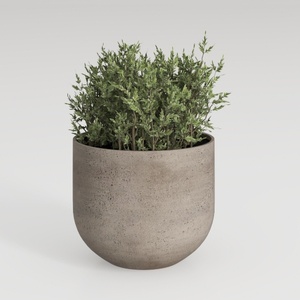
Minimalist Concrete Planter Pot with Indoor Greenery 3D Model


Modern Linen Nailhead Trim Upholstered Sofa 3D Model
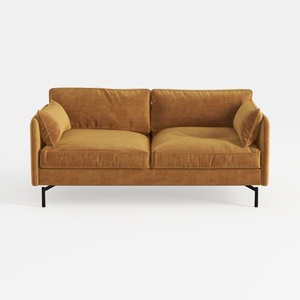
Modern Velvet Upholstered 2 Seater Sofa With Black Metal Legs 3D Model
Homestyler is your go-to online platform for home design. With its user-friendly design tool, stunning 3D renderings, a wealth of design projects, and informative video tutorials, you can effortlessly create and visualize your dream spaces—no expertise needed!
Concevez maintenant gratuitement
































