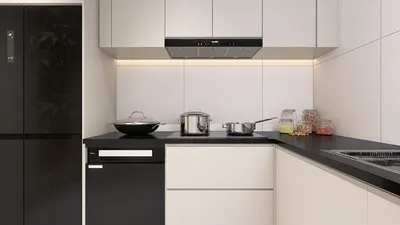


I create multifunctional designs for small furniture pieces like side tables that do more than just look good. For instance, a sleek black side table equipped with drawers can serve as the perfect anchor for a seating arrangement, function as an essential piece beside your bed, or help organize an entryway without cluttering the visual space. When designed with appropriate proportions, finishes, and hardware, it not only adds utility but also works as an elegant accent in your decor. Incorporating tools like Homestyler can significantly enhance this design process.
Choosing the right scale is crucial. In living rooms, a table surface that is positioned within 1 to 2 inches of the arm height of adjacent seating minimizes awkward angles and reach, which is important for comfort—a principle echoed in workplace ergonomics where the recommended reach zone is between 14 to 18 inches for desk tasks. Additionally, lighting significantly influences how black finishes appear; it’s advisable to maintain a task lighting level between 300 to 500 lux to minimize shadows and ensure drawer interiors are both visible and usable. This lighting range adheres to standard residential guidelines provided by IES for various task areas. For enhanced wellness, the WELL v2 standard emphasizes glare control and balanced illuminance across surfaces, suggesting that pairing a deep black finish with matte textures and layered lighting is essential.
The interplay of color and mood is significant. According to color psychology insights from Verywell Mind, black conveys sophistication and authority, but an excess might feel oppressive without contrasting textures. To counterbalance this, I often blend a black table with warm woods, tactile fabric weaves, or brushed brass finishes to maintain a cohesive palette, while a soft 2700 to 3000K lamp ensures the space remains inviting.
Proportions and Drawer Configuration
For seating areas, a tabletop with a diameter or width of 16 to 22 inches is ideal for compatibility with most sofas or lounge chairs. Heights ranging from 22 to 26 inches work well for armchairs with taller arms, while 24 inches offers a versatile midpoint for modern sofas. Drawers measuring 3 to 4 inches in depth can effectively hold remotes, chargers, reading glasses, and notebooks without creating clutter. For concealed storage, opt for a two-drawer configuration: the top drawer can be designated for everyday small items, while the bottom can store bulkier items like battery packs and coasters. In bedrooms, a height of 24 to 28 inches generally complements various mattress heights, and a wide, shallow top of 18 to 20 inches helps prevent lamp tip-overs.
Material Choices: Matte, Satin, and Texture
The appearance of black can vary greatly depending on its finish. I personally prefer using a matte or satin powder coat for metal frames and a low-sheen lacquer for wooden surfaces to minimize fingerprints and glare. For enduring quality, a waterborne polyurethane finish at a sheen level of 20 to 30 can resist micro-scratching while keeping reflections at bay. Drawer interiors benefit from light-toned maple or birch veneer, which enhances visibility—dark interiors can absorb light and make finding smaller items challenging. Soft-close slides with a capacity of 75 to 100 lb contribute to a quiet, sturdy feel.
Hardware and Detailing
The hardware transforms the table into a decorative piece. Slim bar pulls in blackened brass, concealed finger grooves, or small leather tabs create a tactile experience without overwhelming the visual space. For modern settings, I prefer using concealed pulls paired with a micro-bevel on drawer edges; in transitional spaces, knurled pulls or rounded knobs add softness to the overall silhouette. It’s advisable to keep hardware projection under 1 inch to prevent snagging in narrow walkways.
Layout and Placement Strategy
In small living areas, I first model the reach paths and traffic zones before settling on the final table position. Ideally, a side table should be located 3 to 6 inches away from a sofa’s arm, providing ample space for a floor lamp or cable management. Ensure circulation paths maintain 30 to 36 inches clearance to facilitate smooth movement. When experimenting with arrangements, tools like Homestyler’s layout simulation can effectively help visualize the necessary clearances and lamp heights.
Lighting Integration and Glare Control
Since black absorbs light, it’s important to layer your lighting strategically. A table lamp featuring a fabric shade can provide diffuse ambient light, supplemented by a slim task light designed to minimize glare. Maintaining a lamp color temperature around 2700 to 3000K in living and sleeping spaces is essential for supporting a comfortable circadian rhythm. For tables with high-gloss finishes, it may be necessary to adjust the lamp’s position to prevent glare reflections. Under-cabinet puck lights can be practical for tables in entries that feature open shelving, provided that the beam spread does not create hotspots on matte black surfaces.
Acoustic and Behavioral Considerations
Small tables frequently occupy spaces near conversation zones. A felt-lined drawer bottom minimizes noise from sliding remotes or keys. In open-plan layouts, positioning the table slightly off the primary circulation route can reduce incidental bumps that may cause sound disruptions or scuffs. In bedroom spaces, soft-close slides and rubber bumpers are beneficial for minimizing late-night noise.
Storage Planning by Room
- Living room: utilize the top drawer for remotes and chargers, while the lower drawer serves as storage for coasters, notebooks, and a small cable organizer. Incorporate a slim tray for pens to avoid the 'junk drawer' clutter.
- Bedroom: designate the top drawer for essentials like sleep masks, reading glasses, and lotions; use the lower drawer for books and a compact humidifier filter pack. It’s helpful to have a cable grommet or concealed channel at the back for overnight device charging.
- Entryway: keep the top for keys and transit cards, reserving the bottom for scarves and compact umbrellas. A non-slip mat can help keep metallic items quiet and organized.
Safety, Edges, and Footprint
Opt for round or chamfered corners to enhance safety in tight areas. A footprint that doesn’t exceed 24 inches in any dimension is ideal for micro-apartments; if more storage is necessary, prioritize vertical designs rather than expanding horizontally. Additionally, anti-tip hardware can be discreetly incorporated into the back panel for households with children or pets, while utilizing cable management grommets can prevent lamp cords from snagging.
Styling and Visual Balance
A black side table becomes a captivating focal point through contrasting designs. Stacking two or three books with warm covers, introducing a ceramic bowl or stone tray, and pairing a lamp with a small plant or sculpture create an engaging asymmetrical composition. When organizing drawers, consider using shallow dividers to keep items visible; closed storage should feel intentional rather than enigmatic.
Sustainability and Maintenance
Opt for FSC-certified woods and low-VOC finishes wherever feasible. Powder-coated steel frames tend to outperform sprayed finishes in terms of durability and recyclability. It’s wise to have a microfiber cloth and a water-based cleaner on hand for regular cleaning, avoiding ammonia on lacquer. If the table is positioned by a window, rotating it quarterly can help balance UV exposure on black finishes.
Trends for 2024–2025
Currently, trends are leaning towards compact tables featuring integrated wireless charging, removable trays, and mixed materials such as blackened ash paired with burnished brass or textured ceramics. The inclusion of slim, quiet hardware and clever micro-storage options, like hidden pen loops or cable docks, makes small furniture pieces feel custom-crafted for multi-functional living.
FAQ
To minimize awkward reaches and joint strain, ensure the tabletop height is within 1 to 2 inches of your sofa arm height, following ergonomic principles. Most contemporary sofas go well with tables standing around 22 to 25 inches tall.
Minimalists may find that a single deep drawer suffices, whereas two shallow drawers can provide better organization; positioning everyday items on top and bulkier items below for ease of access is often preferable. Aim for drawer depths of 3 to 4 inches for improved visibility and retrieval.
Certainly, as long as contrasting textures and layered lighting are utilized. While black conveys sophistication, too much can create a heavy atmosphere. Incorporating warm woods, soft fabrics, and lamps with 2700 to 3000K temperature helps maintain an inviting ambiance.
Matte or satin finishes (with low sheen) are effective at hiding fingerprints better than high-gloss options. I recommend powder coatings on metal structures and low-sheen lacquer for wooden surfaces to reduce visibility of smudges and glare.
For micro-apartments, aim for a footprint of around 16 to 20 inches wide/deep, keeping overall width under 24 inches. Opting for vertical storage solutions instead of wide cases helps maintain crucial circulation clearance.
Position lamps carefully to avoid glare on the tabletop surface. Strive to provide task illuminance of approximately 300 to 500 lux to ensure visibility of drawer interiors while favoring a color temperature of 2700 to 3000K for cozy environments.
For modern spaces, concealed pulls are a great choice; whereas in more transitional designs, consider knurled brass or rounded knobs. Ensure hardware projections remain under 1 inch to prevent snags in tight environments.
Utilize soft-close undermount slides, felt drawer liners, and rubber bumpers to minimize mechanical noise and protect finishes—these features are particularly beneficial in open-plan setups or bedrooms.
Absolutely. If you frequently charge devices, seek out Qi-compatible surfaces and include a cable channel at the back to maintain an aesthetically pleasing, cord-free look. Ensure good ventilation if you need to store battery packs in the drawers.
Indeed. Maintain a compact table footprint, allocate a key tray in the top drawer, and utilize a non-slip mat to quiet metallic items. Always keep 30 to 36 inches of circulation clearance to ensure smooth movement.

Stainless Steel Table with Wheels 30 x 18 Inch


Rustic Solid Wood River Rock Inlay Coffee Table 3D Model
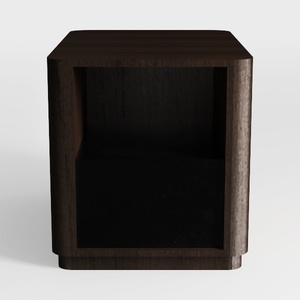
Minimalist Walnut Wood Nightstand Open Storage 3D Model
Homestyler is your go-to platform for all your home design needs! This user-friendly online tool offers stunning 3D renderings, a diverse array of design projects, and helpful DIY video tutorials. Whether you're a beginner or an expert, let your creativity shine and transform your space effortlessly!
Desain sekarang Gratis
































