

When it comes to designing wedding halls, my goal is to create spaces that feel seamless on the special day and leave a lasting impression in every photograph. A contemporary Sona wedding hall must strike a delicate balance between ceremonial sophistication and the practical needs of a hospitality venue, such as efficient circulation, excellent acoustics, ambient lighting, durable materials, and intuitive wayfinding. My methodology combines traditional cultural elements with modern comfort to ensure that the venue accommodates various guest counts and event formats effectively.
Effective design begins with a focus on measurable comfort. According to WELL v2 standards, general ambient lighting should range from 300 to 500 lux, with increased task lighting for detailed activities. For lobbies, I typically aim for 350 to 400 lux, while dining areas are optimally set at 200 to 300 lux, enhanced with dimmable accent lighting to adjust the mood. The importance of color cannot be overlooked; studies highlighted by Verywell Mind suggest that warm colors enhance social warmth, whereas cooler shades offer tranquility. Thus, warmer tones should be utilized in social areas while cooler hues are best suited for circulation spaces to alleviate stress during busy periods.
The flow of the venue is as vital as its design details. Research from Gensler indicates that spatial clarity and options enhance user satisfaction and effectiveness; in event spaces, this is translated into clearly defined areas such as arrival, ceremony, dining, dancing, and service areas. This thoughtful zoning allows guests to maneuver easily while ensuring staff can operate efficiently. To quickly visualize seating arrangements and circulation paths, I frequently use a room layout tool that enables me to test aisle dimensions, stage visibility, and buffet pathways without relying on guesswork.
Design Vision: Embracing a Modern Sona Aesthetic
Contemporary Indian wedding venues flourish through a sophisticated color scheme, layered textures, and adaptable decoration. I ensure the fundamental architecture remains understated—using plaster or lime-wash walls, lightly veined stone, and warm timber accents—while enhancing ceremonial decor with interchangeable mandap structures, floral trellises, and programmable lighting. This approach allows the permanent elements to retain timeless appeal, while seasonal decorations express the unique character of each event.
Effective Space Planning for Meaningful Celebrations
Ensure that your hall is scaled to allow clear views from at least 80% of the seating arrangement to the stage or mandap. For banquet seating that accommodates 10 guests, an edge-to-edge distance of 1.6 to 1.8 meters (5'3" to 6') between tables should be planned to facilitate service. For rectangular tables, maintain a gap of approximately 1.5 meters (5') between rows. Additionally, reserve a minimum of 2.4 to 3 meters (8' to 10') for aisles from the main entrance to the stage to facilitate the bridal procession and camera setups. When considering alternative seating arrangements—be it family-style, theater rows for ceremonies, or intimate lounge clusters—test proximity using an interior layout planner to ensure an efficient room flip within 45 to 60 minutes.
The back-of-house design is just as critical, warranting meticulous planning. Allocate a service corridor of 2 to 3 meters in width behind the stage, allowing catering, audiovisual, and decoration teams to operate without interrupting guests. Ensuring separate load-in access directly to storage will prevent common setup delays.
Using a room layout tool enhances planning efficiency.
Lighting Strategy: Setting the Stage
The lighting narrative transitions beautifully from day to night. During ceremonies, using warm white light (2700–3000K) is essential for illuminating faces, while vertical lights on backdrops help avoid flat photographs. Aim for 500 to 750 lux on stage for clear images, with the capability to dim this to an ambient 150 to 200 lux during dining. It's crucial to maintain a Unified Glare Rating (UGR) below 19 at both the stage and head table to minimize eye strain for both guests and camera crews. Complementary narrow-beam lighting on centerpieces and low-glare LED strips along aisles also ensure safe movement that feels cinematic.
Prioritizing Acoustic Clarity
While high ceilings contribute to aesthetic appeal, they can jeopardize speech clarity. A mixed approach is beneficial; incorporating fabric panels on upper walls, acoustic plaster on ceilings, and heavy drapery behind the stage can achieve a desired reverberation time (RT60) between 0.8 and 1.2 seconds, ideal for both speech and music. Positioning subwoofers in the corners helps control bass buildup, especially in venues close to residential areas. Additionally, placing the DJ or band opposite the bar minimizes audio interference in conversations.
Crafting Color Psychology and Textural Elements
For a Sona-inspired color scheme, incorporate warm metallics such as antique brass and brushed gold in the hardware, trims, and lighting details. Combine these with breathable materials like raw silk, banana fiber panels, or rattan for tactile richness without glare. Bright, saturated colors like vermillion, peacock, and marigold should be saved for movable components—drapes, floral arrangements, and table linens—allowing you to adapt to each couple’s individual theme. Timeless flooring choices of stone or terrazzo maintain order and simplify upkeep.
Emphasizing Ergonomics for Comfort
Chairs should have a seat height of 450 to 470 mm for optimal support. Ensure rounded edges to avoid snagging sarees, and provide 600 to 760 mm of space per diner at rectangular tables to minimize elbow clashes. Set buffet counters between 900 and 950 mm high, allowing a 1.5-meter approach zone for smooth flow. For elderly guests and children, design resting areas every 20 to 25 meters within circulation paths, equipped with armrest seating for easier stand-up support.
Optimizing Circulation, Wayfinding, and Ritual Flow
Map out the guest experience: from arrival to photo opportunities, to ceremonies, dining, and dancing. The first 6 to 8 meters after the main entry should remain tidy for greetings; consider featuring floral arrangements or water elements to create an engaging focal point. Implement color-coded or icon-based signage with bilingual labelling at junctions. For events like the baraat or sangeet, design a dedicated pathway distinctive from the hall’s interior to seamlessly prepare guests' mood before they enter.
Stage and Mandap Considerations
Create a modular stage with dimensions increasing in 1.2-meter increments and a height of 450 to 600 mm, integrating cable troughs and side ramps for discreet access. The mandap should be visually striking yet not overwhelming, ideally having a clear height of 3.0 to 3.6 meters for an elegant proportion within most halls. Concealed power sources are essential for uplights and floral misting systems, as well as a low-profile ceiling designed to diffuse soft lighting during key rituals.
Flexible Furniture Designs for Versatile Layouts
Prepare for at least three distinct setups: ceremony, banquet, and dancing. Mobile partitions with STC 45+ ratings allow differentiation between prefunction areas and the main hall during concurrent preparations. Utilize nesting tables, stackable chairs, and portable bars for quick transitions. For intimate weddings, rotate the axis to shorten sightlines while fostering an intimate atmosphere without excessive drapery.
Kitchen, Catering, and Service Efficiency
Position the hot line near the dish pass and arrange cold plating areas away from heat sources. Ensure at least two 1.2-meter-wide doors provide bidirectional flow. Direct access from the kitchen to waste removal points should be clear, preventing guest pathways. If live cooking stations, such as for chaat or dosa, are incorporated, ensure high CFM hoods or outdoor-compatible carts are available to protect indoor air quality and aesthetic finishes.
Comfort in Bathrooms, Bridal Suites, and Backstage Areas
Bridal suites should offer ample lighting around mirrors, ideally at 3000 to 3500K with a CRI of 90 or higher, along with counters of 200 to 300 mm for accessory display. Include steaming stations, garment racks, secure storage, and quiet climate control. Restrooms ought to feature family-friendly rooms, accessible stalls, odor-neutral ventilation, and touchless fixtures. If culturally appropriate, incorporate a private area for prayer and a baby-changing station.
Sustainability and Efficient Maintenance
Opt for easy-to-clean surfaces like porcelain or terrazzo flooring, performance fabrics that resist staining, and water-based finishes for wooden elements. LED lighting with 0–10V or DALI control not only conserves energy but also facilitates mood adjustments. Incorporate low-VOC materials and maintain fresh-air supply in accordance with WELL v2 recommendations to enhance guest comfort. Implement systems for rainwater collection in landscaping plans and design rooftops with solar readiness to ensure long-term sustainability.
Integrating Technology into Operations
Pre-wiring for 4K cameras and establishing tie-lines to a control booth is critical. Power outlets should be evenly distributed along the perimeter every 3 to 4 meters for audiovisual and decorative setups, with floor boxes placed every two table bays. Utilizing venue management software is most effective when storage is organized in labeled modular crates. Incorporating QR codes for wayfinding and menus can significantly reduce queue times at buffets and bars.
Setting Budget Priorities
Prioritize investment in acoustics, lighting control, and flexible electrical/data provisions, as these elements are challenging to modify later. Next, allocate resources toward durable flooring and stage frameworks. Decorative features can be scaled up according to revenue, but the structural framework should be operational from day one.
Citing Research and References
For optimal lighting performance and health-focused benchmarks, I verify against WELL v2 guidelines regarding illumination and circadian comfort. For insights on how choices in spatial design and clarity enhance user experiences, Gensler’s research library offers reliable benchmarks for planning guest-oriented circulation.
Frequently Asked Questions
Q1: What lighting levels should be targeted for ceremonies and dining?
A1: Aim for 500 to 750 lux on the stage or mandap for photography and 200 to 300 lux for ambient light during dining, utilizing dimmable layers for seamless transitions.
Q2: What width should aisles have to ensure smooth bridal entries?
A2: Maintain a main aisle width of 2.4 to 3 meters (8' to 10') to accommodate the bridal procession, cameras, and emergency exits, with secondary aisles being at least 1.8 meters wide.
Q3: How should tables be spaced to prevent crowding while maximizing capacity?
A3: For 60" round tables, allot 1.6 to 1.8 meters between table edges; for rectangle tables, preserve around 1.5 meters between rows to allow for service flow.
Q4: What strategies exist for controlling echo in spaces with high ceilings?
A4: Employ acoustic plaster on ceilings, fabric panels on upper walls, and heavy drapery adjacent to the stage to achieve a target reverberation time (RT60) of 0.8 to 1.2 seconds.
Q5: Which color scheme best fits a Sona-inspired modern venue?
A5: Incorporate warm metallics such as brass and gold for architectural highlights, while layering in removable vibrant accents such as vermillion, marigold, and peacock through linens and florals.
Q6: What essential considerations should be made for power and audiovisual needs?
A6: Ensure floor boxes every two table bays, power outlets along the perimeter every 3 to 4 meters, utilize DMX and dimming technology for lighting, and pre-wire for 4K camera connections to a control booth.
Q7: How can I efficiently transition from a ceremony to dining?
A7: Develop distinct presets, use nesting tables and stackable chairs, and assess layouts with a room design visualization tool to validate circulation routes and staff flows.
Q8: What ergonomic features can enhance guest comfort?
A8: Provide chairs with a seat height of 450 to 470 mm, ample back support, rounded edges to prevent snagging, and allocate 600 to 760 mm of space per diner at tables, with resting areas every 20 to 25 meters along circulation paths.
Q9: How can I safely incorporate live food stations?
A9: Install high-capacity ventilation hoods or outdoor-approved carts with spark arrestors, ensuring the setup allows for adequate airflow and maintains distance from crowded circulation areas.
Q10: What sustainable initiatives yield the best return on investment?
A10: Incorporating LED lighting with advanced control systems, choosing durable, low-maintenance flooring, utilizing low-VOC materials, and maintaining fresh air strategies consistent with WELL v2 guidelines can result in significant energy savings and fewer replacements.
Q11: What’s the ideal lighting for a bridal suite?
A11: Utilize lighting at 3000 to 3500K with a CRI exceeding 90 around mirrors for accurate skin tones, including separate circuits for task and ambient lighting for makeup application and dressing.
Q12: Is it possible to design a hall that accommodates both grand and intimate events?
A12: Absolutely—with modular staging, mobile partitions rated STC 45+, and flexible decorative elements, you can adapt the venue size without extensive construction efforts.

UEV Mid Century Modern Sideboard Buffet Cabinet

Benjara Ralyn Sectional Sofa, 2 Accent Pillows, L
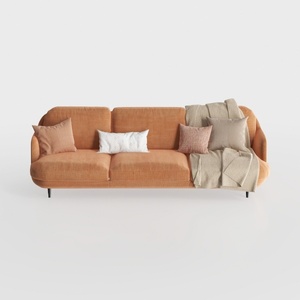

RENDGO Velvet Loveseat Sofa, 64.2'' Mid Modern Sma
Homestyler is your go-to online home design platform. With a user-friendly design tool, stunning 3D renderings, a wealth of design projects, and engaging DIY video tutorials, creating your dream space has never been easier. Start designing today and unleash your creativity!
Concevez maintenant gratuitement
































