


First-class waiting areas play a crucial role in shaping the overall experience for visitors. When designing these environments for private clinics, hospitality lounges, or concierge offices, my focus is on creating a serene ambiance that seamlessly combines luxury with comfort. Essential elements like high-performance lighting, ergonomically designed seating, and sound management create the foundation of these spaces. Research by Steelcase reveals that nearly half of individuals prioritize comfort in the workplace for both well-being and performance, emphasizing the need for an immediate reduction in stress levels upon arrival. WELL v2 guidelines advocate for layered lighting and glare control, reinforcing the importance of visual comfort for mental well-being, just as one would find in an enhanced design platform like Homestyler.
A carefully curated waiting area should facilitate short waiting periods without coming across as impersonal. According to Herman Miller’s findings on seating ergonomics, proper posture support can significantly lessen physical strain and enhance comfort during short waits of 15 to 30 minutes, which is ideal for executive lounges and high-end medical suites. For light levels, I adhere to IES guidelines: ambient lighting set between 150 to 300 lux, with task lighting reaching up to 500 lux, and a color temperature between 2700 to 3500K to maintain a warm yet clear atmosphere. These specifications ensure that luxury remains practical and inviting throughout the design process.
Establish an Understated Luxury Color Palette
A sophisticated color scheme communicates elegance. I prefer using subdued neutrals such as warm greige, soft taupe, and charcoal, and then introduce a single bold color (like deep teal or oxblood) in a minimal amount (5-10% of surfaces). Color psychology suggests that shades of blue and green can alleviate physiological stress, while warm, muted hues foster a sense of safety and comfort. I maintain a matte to eggshell finish to control glare on walls and fixtures, while selecting materials like wool or mohair upholstery, finely textured leather, honed stone, and open-pore woods like rift oak to convey quality and timelessness.
Light Designed for Serenity, Flow, and Guidance
Lighting plays an integral role in luxury. I implement a three-tier lighting system: indirect cove or wall-wash lights for ambient serenity; tight-beam accents for artwork and important features; and low-glare task lighting at check-in spots. Utilizing light sources with a CRI above 90 ensures the richness of materials is appreciated. I also monitor Unified Glare Rating (UGR) to keep it under 19 to reduce eye strain in seating areas. Dimming fixtures that adjust warmth add an element of theater while aligning with natural light rhythms for evening visits. Lighting serves a dual purpose by subtly guiding visitors from entry points to seating areas and private rooms without overwhelming signage.
Bespoke Ergonomic Seating
In my designs, I specify seating heights ranging from 17 to 19 inches, with lumbar support that promotes a neutral spine. Armrests are designed for easy standing, especially crucial in clinical contexts. A variety of seating types are included: high-backed lounge chairs for privacy, banquettes for families, and task-height seats for quick waits. Setting seat pitch between 100-105 degrees encourages comfort while preventing slouching. Accessibility is superior with a minimum of 36 inches in main circulation and 48 inches near entries. The upholstery is carefully selected to balance tactile experiences with durability—utilizing stain-resistant, easy-to-clean fabrics for healthcare and soft semi-aniline leathers for hospitality settings.
Creating Acoustic Tranquility
True luxury comes from the absence of disruptive noise. I aim for a Noise Criteria (NC) rating of 30-35 and target reverberation times around 0.6 to 0.8 seconds for small to medium waiting areas. To achieve this, layered solutions like absorptive ceiling tiles, acoustic plaster, heavy drapes, and upholstered panels are strategically placed. Distinctive soft separations between reception and seating, such as fluted wood partitions or soft baffles, maintain visual openness while reducing sound reflection. Employing a concealed white-noise system set between 42-45 dBA masks sensitive conversations discreetly.
Thoughtful Spatial Design and Flow
A well-designed waiting room should emanate generosity rather than waste. I allocate about 30 to 40 square feet per seat in premium areas, increasing that to 50 to 60 square feet for VIP privacy. Seating clusters function optimally when arranged in groups of three to five for social harmony. Each cluster is anchored by a side table within an 18-inch reach of the nearest armrest, with at least 24 to 30 inches of space between chairs to ensure comfort. Utilizing room layout tools like Homestyler can assist in visualizing cluster density, sightlines, and circulation pathways—all without requiring excessive building.
Material Choices: Sensory and Sustainable
Luxury is synonymous with longevity. I prefer materials with low-VOC finishes, FSC-certified wood, and wool-rich fabrics that naturally repel stains. Stone surfaces with honed or leathered finishes obscure glare and resist fingerprints, while metals are selected for their satin or patinated textures instead of being highly polished. When sustainability is a priority for my clients, I ensure that material selections not only look refined over time but also require minimal maintenance—anything that retains its elegance after five years exemplifies real sophistication.
Ensuring Privacy and Creating Micro-Zones
Not every guest desires to be in plain sight. I design micro-zones with privacy screens, tall plants, or shelving walls that maintain a height below staff sightlines for unobtrusive supervision. Side-entry seating configurations can avoid direct eye contact with the reception area. Including a privacy chair with acoustic features (hooded or wingback) in each cluster for confidential conversations is essential. In healthcare settings, I incorporate a small consultation space with soft seating and task lighting for addressing pre-appointment questions discreetly.
Art, Branding, and Environmental Aesthetics
Art should reflect brand values without relying on overt logos. Local commissioned artworks or textured wall sculptures add depth and significance. Consistent framing across all artworks fosters visual unity. Signature scents are becoming increasingly trendy, albeit lightweight and hypoallergenic. For impactful soundscapes, low-tempo, instrumental music is preferable, with volumes kept beneath conversation levels.
Technology Seamlessly Integrated
Power sources should be integrated into the design, featuring pop-up outlets within side tables and wireless charging pads discreetly tucked under leather surfaces, along with hidden cable pathways. The digital signing-in process should be smooth and subtle, with tablets positioned at an accessible height of 42 to 44 inches. Narrow-bezel screens can provide information on flight schedules or appointment times without dominating the visual experience. It's advisable to refrain from using screens that emit harsh blue light near seating areas, as they can disrupt the inviting atmosphere.
Operational Focus: Cleanliness and Maintenance
Janitorial access must go unnoticed by guests. I suggest implementing stain maps for cleaning crews, color-coded maintenance supplies, and protected storage for extra throws and cushions. Selecting materials that facilitate rapid spot cleaning—like removable cushion covers, etch-resistant slab tables, and well-bound performance rugs—ensures the space remains tidy. A well-maintained environment exudes luxury, highlighting the quality of materials used throughout the space.
Embedded Standards and References
The comfort metrics and lighting standards referenced align with WELL v2 guidelines concerning visual and mental comfort, consistent with IES standards for ambient and task lighting in public spaces. For further insights on workplace behaviors that impact waiting experiences, the Steelcase and Herman Miller research libraries serve as valuable resources.
Frequently Asked Questions
My approach involves adjusting ambient lighting to 150 to 300 lux with 90+ CRI sources, while task or accent lighting can be elevated to 500 lux. Managing glare involves directing light towards surfaces instead of eye level.
A color temperature of 2700 to 3500K provides a refined warmth with clarity. Dim-to-warm fixtures assist in transitioning from day to night without sacrificing a soft atmosphere.
I opt for seat heights between 17 to 19 inches, with a pitch about 100 to 105 degrees, ensuring robust lumbar support. Varied seating styles—such as lounges, banquettes, and perches—accommodate diverse postures.
For acoustic control, I aim for a target reverberation time (RT60) of around 0.6 to 0.8 seconds utilizing acoustic plaster, upholstered panels, and heavy drapes. I also implement subtle sound masking systems set at 42 to 45 dBA to safeguard privacy.
I favor honed stones, satin metals, rift oak, and wool-rich materials. In clinical environments, robust fabrics that can endure bleaching while maintaining a pristine appearance are opted for.
In planning, I allocate 30 to 40 square feet per seat for premium comfort, and 50 to 60 square feet for enhanced VIP privacy. Circulation space should maintain a minimum of 36 inches and 48 inches near entrances for accessibility.
Certainly, but with subtlety. Investing in local pieces or abstract art that embodies brand values without explicit logos helps maintain coherence in the overall design.
Integrate power sources into side tables and banquettes; keep screens information-focused and minimal. Position tablets for signing in at comfortable heights of 42 to 44 inches while avoiding harsh blue-glo screens in seating areas.
Following IES guidelines and adhering to WELL v2 recommendations relating to visual comfort is essential, as it promotes reduced eye strain and contributes to a calming ambiance—particularly beneficial for short waiting times.
Absolutely. Utilizing an interior layout tool, like Homestyler, facilitates rapid simulations of seating arrangements, privacy screens, and circulation spaces to verify comfort before finalizing designs.
Homestyler's roots trace back to Autodesk, the global leader in design and engineering software. That heritage lives on in every feature we build. Today, with a community of more than 18 million users worldwide, Homestyler continues to make professional-quality interior design accessible to everyone — from first-time decorators to seasoned architects.
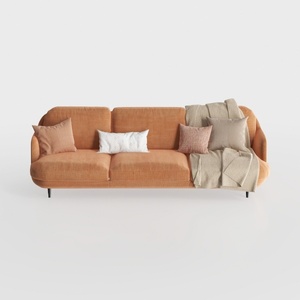

Modern Minimalist Orange Fabric Three Seater Sofa With Throw Pillows 3D Model
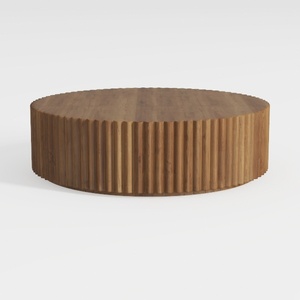
Minimalist Solid Wood Fluted Round Coffee Table 3D Model
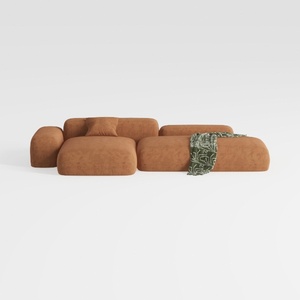
Minimalist Brown Fabric Modular Sectional Sofa 3D Model
Homestyler is an exceptional online home design platform that caters to everyone, from novices to experienced designers. With its user-friendly design tool, stunning 3D renderings, a wealth of design projects, and informative DIY video tutorials, you can effortlessly create and visualize your dream home!
Design Now for FREE
































