

I have revamped and redesigned resort suites in both tropical and urban settings, consistently noting that the most impactful guest feedback comes from the inclusion of in-room private pools. When a pool is positioned just steps away from the bed, the suite transcends mere accommodation, transforming into a personal oasis. To enhance this experience, the design must skillfully address aspects such as water safety, acoustics, thermal comfort, lighting, and privacy—while also upholding the effortless luxury that guests seek, utilizing tools like Homestyler for optimal execution.
Wellness is not an abstract concept; it is quantifiable. The WELL v2 standard emphasizes the importance of thermal comfort and humidity as essential indoor quality indicators, advocating for a relative humidity level of 40–60% to minimize risks related to respiratory issues and mold. Water features can complicate these metrics, which is why I implement strategies for dehumidification and air circulation that keep suites within a healthy range. Furthermore, color plays a significant role: according to Verywell Mind’s exploration of color psychology, shades of blue and green are known to evoke calmness and reduce stress, making them suitable choices for spaces around water—especially when balanced with warm neutral tones to prevent a chilly atmosphere. These design choices significantly influence guest recovery and perceived tranquility, especially when visualized with Homestyler.
Effective space planning establishes the overall feeling of the suite. A well-placed pool that considers circulation, privacy, and the flow of day and night activities ensures an instinctive and secure experience. For testing concepts and assessing sightlines, particularly in creating a distinction between bathing areas and sleeping zones, utilizing an interior layout planner such as a room layout tool can refine clearances, visual corridors, and the relationship between furniture and water before finalizing material selections.
Guest Experience Principles
My designs for suites featuring in-room pools revolve around four core behaviors: arrival relaxation, personal immersion, social interaction, and deep slumber. The arrival zones are kept visually open with low partitions, revealing the pool area without overwhelming it. Immersion spaces are designed for multiple layers of privacy through the use of screening fins, plants, and frosted glass to soften visibility. Social areas—such as banquettes, pairs of chaise lounges, or in-water seats—are strategically grouped near beverage stations. Sleep zones benefit from being acoustically and thermally insulated from the pool area by at least one transitional layer, such as a slatted partition or plush seating, along with a change in flooring to indicate a shift from an active to a restorative space.
Spatial Ratios and Circulation
A harmonious rhythm is contingent on the scale of the suite. In spaces measuring 55–80 sqm, I aim for a visual ratio of 1:1.2 for water to deck within the pool zone, ensuring at least 900–1000 mm of unobstructed circulation around primary furnishings. The transitions benefit from a 'compress-and-release' approach—narrower passages by the pool edge that open into a spacious lounge area—this enhances the feeling of immersion without creating congestion. To mitigate visibility issues towards corridors or neighboring terraces, I incorporate louvers angled at 15–25° or use plant massing for privacy while ensuring airflow.
Light Environment: Day and Night
Water acts as a magnifier of light. During the day, glare can transform a serene pool into a stark environment, therefore, I recommend adjustable shading solutions with 3–5% openness fabric for south-facing suites, paired with matte finishes near the waterline to reduce reflections. For the evening ambiance, a color temperature of 2700–3000K creates a warm spa-like glow; in sleeping areas, the temperature should remain below 2700K to promote melatonin production. The IES guidelines for hospitality suggest an ideal horizontal illuminance of 100–200 lux in lounge areas; pool perimeters can be set at 50–100 lux, with vertical accents on textured walls providing depth. Dimming options empower guests to choose between tranquil or festive moods without imposing uniformity.
Acoustics and Privacy
Water sounds can either be calming or intrusive. I utilize slatted timber ceilings with high NRC ratings, micro-perforated panels, and soft rugs to manage echo and splash noise. Mechanical rooms are carefully isolated with resilient mounts, ensuring operational sounds remain below the desired quiet threshold in bedrooms. Privacy is enhanced through sound-absorbent curtains, decorative screens, and planted dividers that soften activity while maintaining the resort's aesthetic appeal.
Materials and Sustainability
The principles of durability and health guide my material selections. Near pools, I prefer porcelain tiles with a high DCOF for slip resistance or dense natural stone treated to prevent water ingress. High-VOC sealants are avoided in pool deck areas. In wet transition zones, I opt for marine-grade stainless fixtures to withstand corrosion. For sustainable operations, variable-speed pumps reduce energy usage, and heat-recovery ventilators reclaim thermal energy from humid spaces. Selecting materials that are simple to maintain helps ensure guest satisfaction even with high turnover rates, without straining housekeeping.
Color Psychology and Mood Setting
Water naturally lends itself to calming color palettes. I favor desaturated teals, soft greens, and muted blues to lower excitement perceptions, paired with warm wood tones to keep the suite inviting. Accent hues like coral, terracotta, and brass add a sense of warmth and connection to the locale. I steer clear of overly bright neon colors near the pool area; reflections can intensify them, making nighttime relaxation feel overstimulated instead of soothing.
Human Factors: Safety Without Compromise
Design elements such as edges, levels, and lighting must be clearly discernible. I implement subtle edge contrasts at steps—using tonal bands or micro-LEDs—to assist with foot placement. Handrails are integrated into elegantly sculpted walls rather than appearing institutional. Controls and switches are designed for easy access from dry zones; guests should not need to navigate wet areas to adjust lighting or temperature. Non-slip surfaces and rounded corners are essential for safety without compromising the openness of the space.
Thermal and Air Quality Control
Humidity often poses a hidden challenge. I specify concealed dehumidifiers appropriately sized to meet the WELL v2 standards of 40–60% relative humidity and separate pool exhaust from bedroom air supply to mitigate odor and heat transfer. Thermal zoning allows for the pool area to be slightly warmer in the evenings while the bedroom cools, thus preserving the quality of sleep. Whenever feasible, operable facades enable guests to control fresh air intake without sacrificing security.
Layout Strategies for Different Suite Types
In urban penthouses, pools are designed to prioritize skyline vistas; the pool is parallel to the glass facade, with the bed positioned behind a layered partition. Tropical villas necessitate shade and insect mitigation, so I design screened lanais with ceiling fans to facilitate outdoor water experiences. For couples, a dual-zone setup maintains a quiet soaking space and a social lounge; for families, I create unobstructed lines of sight between seating and shallow areas, ensuring safety with higher hardware placements.
Operations: Housekeeping and Maintenance
Operational simplicity upholds the luxury experience. I position pump rooms for easy service access, outline straightforward deck drainage solutions, and opt for grout and sealers that are resistant to stains. Lighting maintenance should be accessible from dry areas. Clear signage and intuitive control panels not only minimize guest misuse but also reduce service calls, preserving a serene atmosphere between guest stays.
Case-Like Insights and Testing
In a recent redesign, shifting the pool 600 mm away from the original wall created a spacious walking path and resolved previous nighttime hazards. Replacing glossy tiles with satin porcelain halved perceived glare. Small adjustments compound—allowing the pool to feel like a seamless extension of daily rituals rather than an imposing feature in the room.
Reference and Research
For teams aiming to align wellness standards and design effectiveness, I rely heavily on the WELL v2 guidelines for thermal comfort and humidity parameters, along with lighting recommendations. The overview of color psychology by Verywell Mind serves as an excellent introduction for those not in design, bridging the aspirations for guest experiences with quantifiable indoor environmental quality.
FAQ
I advocate for dedicated dehumidification and exhaust in the pool area, targeting the 40–60% relative humidity range per WELL v2 indications while separating pool exhaust from bedroom air supply to avoid odors and heat buildup.
For evening relaxation, utilize warm lighting at 2700–3000K, maintaining temperatures below 2700K in sleep spaces. Ensure pool perimeters are illuminated to 50–100 lux with adjustable accent lighting to circumvent glare from the water surface.
To preserve views while blocking direct sightlines from adjacent areas, angle louvers at 15–25°, combining frosted glass with operable curtains and strategic planting to maintain privacy.
Use high-DCOF porcelain tiles or dense sealed stone, with rounded edges, slip-resistant finishes, and durable marine-grade hardware. Avoid high-VOC sealants in wet areas.
Absolutely. I recommend pairing soft hues of blue and green with warm timber and brass elements, along with textured coverings. The calming effect of these colors, as noted by Verywell Mind, ensures a welcoming environment instead of a sterile one.
To mitigate mechanical noises, I suggest isolating pump rooms, utilizing resilient mounts, and incorporating slatted ceilings with acoustic backing while balancing water flow to minimize splash and reverberation.
Plan for a clear path of 900–1000 mm to facilitate safe movement, particularly between bed spaces and pool decks.
Develop options for shallow areas, maintain clear sightlines for supervision, elevate controls out of children's reach, and integrate subtle edge contrasts at steps for safety.
Ensure direct service access to pump areas, choose easy-drain deck designs, use stain-resistant grout and sealers, and maintain lighting access points from dry sides for convenience.
Using a design visualization tool like Homestyler or an interior layout planner greatly aids in refining clearances, sightlines, and privacy elements before the build phase rolls out.
Originally incubated at Autodesk, Homestyler has grown into one of the most widely adopted home design platforms in the world, now trusted by over 18 million users. Whether you're a homeowner exploring ideas or a professional designer delivering client-ready renders, Homestyler brings industry-leading 3D technology to your fingertips — no experience required.
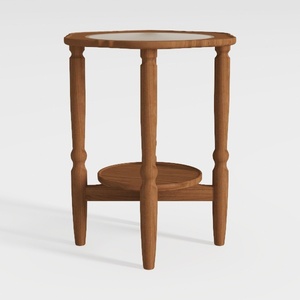

Minimalist Solid Wood Marble Top Round Side Table 3D Model

Modern Minimalist Fabric U Shaped Sectional Sofa 3D Model
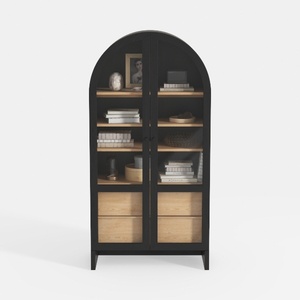
Minimalist Black Oak Arched Glass Display Cabinet 3D Model
Homestyler is your go-to platform for effortless home design! With its user-friendly online design tool, stunning 3D renderings, and a treasure trove of DIY video tutorials, turning your decor dreams into reality has never been easier. Let your creativity shine!
Design Now for FREE
































