

Designing a kids' room equipped with double beds demands a careful balance of safety, storage, and enjoyment. The goal is to optimize available space while ensuring ample natural light, smooth circulation, and a playful atmosphere. In smaller residences, the trend of accommodating multiple children is increasingly prevalent. Research from Gensler reveals that modern living environments prioritize space efficiency, while Steelcase emphasizes the link between comfort, productivity, and the quality of surroundings—even for younger occupants engaging in study and play. The WELL v2 standard also points to the significance of controlling glare and maintaining appropriate lighting levels, which are crucial for fostering healthier indoor spaces in children's rooms.
Utilizing statistical data can enhance planning accuracy. According to WELL v2, it is advisable to aim for illuminance levels ranging from 300 to 500 lux for both general ambient and task lighting, along with glare mitigation strategies to alleviate eye strain—particularly important for homework areas situated under bunk beds. The IES guidelines advocate for layered lighting solutions to ensure visibility is safe on stairs and ladders. Behavioral science, as highlighted in Verywell Mind's color psychology studies, shows that softer shades of green and blue can help to alleviate anxiety, whereas warm hues can invigorate play areas. I often blend soothing wall colors with vibrant fabrics to strike a balance between mood enhancement and functionality.
Effective Layout Strategies for Double Beds
The introduction of two beds raises questions about geometry and traffic flow: defining circulation routes, integrating toy storage, and optimizing light exposure for both beds. I ensure there is at least 24 to 30 inches of unobstructed aisle space between beds and walls to facilitate safe nighttime movement. In tighter spaces, I utilize a room layout tool, such as Homestyler, to experiment with different configurations for ladders, desks, and storage units, making sure that they do not obstruct natural light from windows or disrupt access to doors. Positioning the beds against perpendicular walls opens up sightlines and designates areas for reading or creative activities.
Bunk Beds: Efficient Use of Vertical Space with Safety Features
Contemporary bunk beds offer a compact design while maximizing central play space. It is crucial to prioritize guardrails surrounding the upper bunk, maintain ladder angles that range between 60 and 75 degrees for safe climbing, and incorporate anti-slip rungs. I position the ladder away from door swings and avoid direct placement beneath ceiling fans. For illumination, I recommend installing dimmable wall sconces at each bunk, equipped with downward shielding to adhere to glare control standards outlined in WELL v2, as well as nightlights at the ladder entrance. Implementing sound-dampening materials—such as cork, felt panels, or upholstered headboards—can significantly diminish noise and bedtime distractions.
L-Shaped Twin Arrangement for Corner Comfort
Arranging two twin beds in an L-shape snugly fits into a corner while providing a spacious central play area. This layout works exceptionally well for siblings who have differing sleep patterns, as it partially separates their spaces while still allowing for easy supervision. Adding a shared storage bench or toy box and a low-profile bookcase can help prevent topple hazards. To facilitate homework, I recommend a long floating shelf along one wall with dual task lamps providing 300 to 500 lux at desk height, and ensuring cable management is hidden behind panels to keep the play area tidy.
Trundle Beds: Dual Functionality with Enhanced Storage
A trundle bed converts a typical twin setup into double sleeping accommodations when necessary—ideal for sleepovers or compact spaces. I recommend choosing trundles that feature locking wheels and breathable mattress bases. Typically, I allow for approximately 36 inches of clearance for pull-out operations, and I avoid using plush rugs underneath to prevent snagging. By day, the footprint reduces, giving way to more play or study space. Pairing with under-bed drawers enables effective seasonal organization—labeling bins according to activities can instill a sense of ownership in children.
Loft Twin Configured Over a Desk or Daybed
By placing a loft twin over a desk or daybed, you create distinct vertical zones: sleeping up top, studying, or lounging below. To address acoustic issues and limit echo, lining the loft's underside with acoustic felt or wood slats backed with insulation is beneficial. Ensure task lighting is ideally positioned at eye level, targeting 300 to 500 lux using warm-white bulbs (2700 to 3000K) for evenings, while cool-white (3500 to 4000K) works best during daytime study hours. Ergonomically, desk height should be adjusted to 28 to 30 inches, allowing for 24 inches of knee space to accommodate growing children.
Parallel Twins with a Shared Headboard Wall
Aligning twin beds along one wall establishes a visually symmetrical and calming environment, which simplifies bed-making tasks. I prefer using a shared upholstered back wall to enhance acoustic properties while creating a unified aesthetic. A narrow nightstand, about 14 to 18 inches wide, between the beds can conveniently store essentials; incorporating individual reading lights with glare shields is advisable. Soft, low-pile rugs reduce fall hazards, while a ceiling-mounted linear fixture ensures an even distribution of ambient light without creating harsh hotspots.
Storage-Integrated Platform Beds
Platform beds featuring built-in drawers and cubbies efficiently contain clutter. It is important to select durable materials, such as laminated products or plywood treated with water-based finishes, to minimize VOC emissions and enhance longevity. The choice of materials significantly impacts safety and performance—advancements cataloged in Material ConneXion highlight kid-safe finishes and scratch-resistant surfaces that endure vigorous use. Drawer fronts should be rounded and equipped with soft-close mechanisms to prevent finger injuries. Strategically label storage zones: place art supplies near the desk, sports gear by the door, and bedtime reading materials at the headboard.
Color Psychology and Personal Spaces
It's essential for children to feel a sense of ownership to mitigate conflicts. I utilize color to create micro-zones: tranquil, cool palettes around sleeping areas utilizing blue and green tones, paired with warm accents in play areas to inject energy, informed by insights from color psychology research from Verywell Mind. For siblings, customizing bedding and pinboards for each child helps maintain harmony while preventing excessive stimulation that can interfere with sleep.
Safety and Ergonomics Checklist
- Guardrails and ladder stability are inspected weekly.
- Maintain a minimum of 24 to 30 inches in clear pathways; ensure no furniture obstructs door movements.
- Ensure all corners are rounded and soft-close hardware is implemented.
- Use non-toxic finishes and easily washable fabrics.
- Implement layered lighting strategies: ambient, task, and nightlight, while ensuring task areas maintain 300 to 500 lux illumination.
- Install smoke detectors and window guards if beds are situated near openings.
- Utilize cable management systems and outlet covers; consider smart plugs with timers for lamps.
Lighting and Acoustic Comfort
Expanding lighting techniques can enhance bedtime routines and reduce eye fatigue. Aim for a cohesive application of ambient lighting, integrate reading fixtures, and adjust dimmers to 30-40% before sleep to signal the body's transition to rest according to WELL v2 guidelines. Acoustic comfort is essential: soft window treatments, area rugs with felt underlay, bookcases used as sound diffusers, and upholstered wall panels behind beds can all help absorb noise and make late-night stories more enjoyable.
Future-Proofing Design as Kids Develop
Design with an eye toward the future. Beds that can convert between styles—like bunk beds morphing into twins or trundles for guest accommodations—can significantly reduce costs in the long term. Opt for modular, movable storage solutions, and select neutral base colors with interchangeable accents. Durable hardware, washable covers, and standardized mattress sizes facilitate seamless transitions as interests shift from schoolwork to hobbies or when teenagers require greater privacy.
Planning Tools and Visualization Techniques
For compact spaces, I depend on an interior design planner, like Homestyler, to evaluate various layouts prior to making any purchases. This tool allows me to identify potential clashes with doors, windows, radiators, and natural light sources, enabling the final arrangement to seamlessly support daily routines without any compromises.
Frequently Asked Questions
Q1: What is the safest way to position a ladder for a bunk bed?
A: Position the ladder away from door swings and windows, angle it at a stable 60-75 degrees, and add anti-slip rungs. Use a nightlight at the ladder entrance to ensure safe visibility.
Q2: How much space should I maintain between two twin beds?
A: Aim for 24-30 inches of clear aisle space to facilitate safe movement, facilitate easy bed-making, and promote airflow without compromising storage.
Q3: What lighting levels are optimal for homework areas?
A: Sustain 300-500 lux at the study surface, ensuring glare control and dimming options for comfort. Layer ambient, task, and accent lighting to prevent abrupt contrasts, in alignment with WELL v2 and IES guidelines.
Q4: Are trundle beds effective in confined rooms?
A: Absolutely. Allocate about 36 inches of pull-out clearance and steer clear of thick rugs underneath. They are excellent for sleepovers and reclaim floor space during the day.
Q5: How can I minimize noise levels in a children's double-bed room?
A: Incorporate soft rugs with felt underlays, upholstered headboards, fabric curtains, and bookcases that function as sound absorbers. Utilize felt or cork panels underneath lofts and along shared walls to mitigate echoes.
Q6: Which colors are best for encouraging restful sleep in children?
A: Soft shades of blue and green foster relaxation, while warm accents stimulate play areas. Avoid saturated colors around sleeping zones to prevent overstimulation, following color psychology recommendations.
Q7: What materials are both durable and safe for children?
A: Utilize low-VOC finishes, scratch-resistant laminates, and solid woods treated with water-based coatings for optimal performance. Rounded corners and soft-close mechanisms help prevent injury.
Q8: How do I design a double-bed layout that adapts as kids mature?
A: Opt for convertible beds (e.g., bunk beds transforming into twins), modular storage solutions, and neutral foundational colors that allow for seasonal shifts in décor. Ensure standard mattress sizes for maximum flexibility.
Q9: What is the best method to incorporate a study space in a bunk bed arrangement?
A: Implement a loft design with a desk below, add acoustic materials beneath the upper bunk, and provide task lighting set to 300–500 lux. Conceal cable management to maintain the play area’s tidiness.
Q10: Can two beds share a headboard wall without feeling congested?
A: Definitely. Crafting a shared upholstered back wall enhances acoustic properties while establishing a harmonious visual effect. A slim nightstand can fit between the beds, with individual reading lights to maintain personal space.
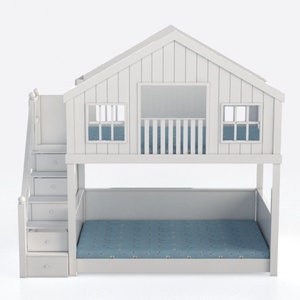
Acme Rohan Cottage Twin Over Twin Bunk Bed in Whit

Acme Farah Twin Over Full Wooden Bunk Bed with Lad
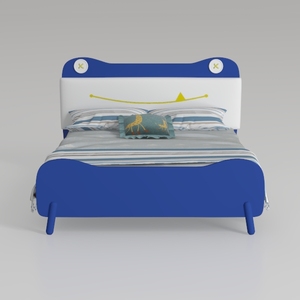

Container Theme Metal Twin Bed, Panel Headboard
Homestyler is the ultimate online home design platform that empowers you to unleash your creativity. With a user-friendly design tool, stunning 3D renderings, a plethora of design projects, and engaging DIY video tutorials, transforming your space has never been easier or more enjoyable!
立即免费设计
































