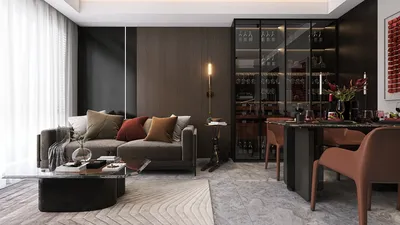


My focus in designing small party spaces is to balance the spaciousness with a cozy atmosphere. Achieving this harmony involves considering proportions, effective lighting, versatile furniture, and smooth traffic flow. Since each element, from chairs to lighting options and soundproofing features, impacts the overall space, I emphasize designs that allow for multifunctionality. This ensures comfort for events ranging from intimate gatherings of 20 to larger mixers hosting up to 60 guests, all while utilizing tools like Homestyler for effective spatial planning.
When planning capacity, I rely on established comfort metrics. The WELL v2 Lighting framework suggests managing glare and ensuring proper light levels; in social environments, maintaining an ambient illumination of 200-300 lux with warmer tones (2700-3000K) promotes relaxation while making faces easy to see. Research by Steelcase suggests that adaptable environments lead to higher satisfaction rates and greater involvement in collaborative scenarios, underlining the importance of flexible layouts and movable furniture. I intend to blend adjustable, layered lighting with warm finishes to enhance perceptions of space and user comfort, while also ensuring that seating arrangements meet safety codes and circulation requirements.
Acoustic design significantly influences the perceived quality of small venues. Studies from Herman Miller emphasize that acoustic comfort is vital for social interactions, particularly in limited spaces where sound can rapidly accumulate. My goal is to aim for an RT60 of around 0.6-0.8 seconds for diverse events. I employ soft materials, micro-perforated wood, and area rugs to minimize echoing, while strategically placed ceilings and wall panels enhance audio clarity without muting musical elements. This thoughtful balance allows small party halls to feel vibrant yet coherent.
Strategic Spatial Ratios
For optimal performance, small party venues should adhere to clear spatial ratios: allocate 60-65% of the area for mingling and dancing, designate 25-30% for seating, and reserve 10-15% for service and staging. Maintain a minimum 36-inch path around seating arrangements and ensure a 60-72 inch buffer around areas such as the DJ booth, bar, or buffet to prevent congestion. If you need to experiment with layouts before finalizing a booking, consider using an interior layout planner or room design tools, possibly including resources like Homestyler to visualize your space effectively.
Creating Dynamic Zones
Utilize lighting and furniture to subtly define sub-zones without the need for physical barriers. Positioning a low lounge area near the entrance creates an inviting atmosphere; surrounding café tables can serve as food stations or areas for games, while the middle of the room can function as a dance floor. Mobile bars and collapsible buffets can be rearranged to suit keynote presentations or live performances. A high-top table near the DJ area offers guests a vantage point while keeping equipment secure.
Artful Lighting Layers
To enhance the room's volume, layering ambient, task, and accent lighting is essential. Ambient lighting should consist of dimmable, diffuse sources operating at 200-300 lux; avoid overly bright lamps that can create glare. Task lighting at 300-500 lux is ideal for bars and food tables and can be implemented using track or linear LED lights. Accent lighting in the range of 2700-3000K can highlight textured surfaces and key design features. Keeping color temperatures consistent helps prevent eye fatigue. Warm uplighting along the walls can create the illusion of spaciousness, while carefully positioned pin spots can beautifully illuminate faces without harsh shadows.
Color Choices to Invoke Intimacy
Colors can significantly influence the atmosphere. According to Verywell Mind, warm shades like soft reds and ambers can enhance social interaction, whereas blues tend to create a sense of calm. In smaller venues, I typically prefer a warm neutral base such as greige or taupe, accented with stronger colors in fabrics and lighting that can be adjusted. Utilize darker shades on lower surfaces to create grounding effects, and lighter colors above eye level to visually elevate the ceiling.
Adaptive Furniture Solutions
Select lightweight, stackable, and modular furniture for versatility. Compact banquet tables (24-30 inches in width) minimize space use, while 30-inch café tables promote movement. Lounge seating should be designed with a seat height of 16-18 inches, and compact arms for efficient use of space. A mobile storage unit can hold extra stools, linens, and microphones for easy access. Prioritize designs that allow for swift transitions—from a seated dinner to a cocktail setting in just 10 minutes—using rolling dollies and pre-allocated stations.
Strategic Bar and Buffet Placement
Position the bar in high-traffic areas while avoiding blockages to exits—usually along a lengthy wall, across from the main entrance, with a 6-8 foot queuing lane. Split buffet services into two smaller stations to avoid long lines. Keep drink service separate from the dance floor to minimize spills; having an additional water station near lounge seating can help distribute guest traffic evenly.
Ensuring Acoustic Comfort in Small Spaces
Sound can be amplified in compact environments. I suggest implementing a distributed speaker system at lower volumes instead of relying on a single loud source. Position the speakers high, with angling away from reflective surfaces. Add soft treatments, such as curtains or wall panels, on parallel walls to reduce echoing; plush rugs and upholstered seating can absorb sounds in the mid-high frequency range. Use cardioid microphones for speeches to minimize background noise, and a gentle compression DSP can ensure consistent sound levels.
Selecting Sustainable and Functional Materials
Choose durable, stain-resistant textiles (like Crypton or silicone-coated options) for high-traffic areas. Favor FSC-certified wood when possible, and opt for low-VOC finishes to promote healthier indoor air quality. Modular rugs can be replaced with new options as needed. In smaller settings, introducing tactile materials such as woven wall coverings, cork panels, and ribbed wood can add depth without overwhelming visual space.
Clear Wayfinding and Enhanced Sightlines
Implementing clear signage and maintaining unobstructed sightlines facilitates guest movement. Ensure that pivotal vertical elements (like photo backdrops or stage risers) are easily visible from the entrance. If the ceiling height is constrained, opt for streamlined lighting fixtures to avoid making the space feel tighter; recessed linear lights and sleek pendants can help. Strategically placed mirrors can create an illusion of space, though they shouldn't directly face overly bright areas to avoid glare.
Minor Details With Major Impact
Distribute power via floor boxes and cable covers to minimize trip hazards. Conceal storage bins behind curtains or within cabinetry. Offer coat checks with mobile racks near entry points, ensuring 36 inches of clearance. Enhance restroom environments with pleasant scents and soft lighting. Lastly, ensure that emergency exits comply with code requirements, complete with visible signage.
Illustrative Layout Examples
• Cocktail Mixer (40-60 guests): Arrange perimeter café tables, allocate a central area for dancing, and place dual buffet setups on opposite sides, with lounge clusters in the corners. Utilize a layout simulation tool, potentially Homestyler, to evaluate walking paths and service routes.
• Seated Tasting (20-30 guests): Organize two narrow banquet rows with 60-inch aisles, ensuring focused lighting over the tables, with soft acoustic baffles positioned behind the presenter.
• Micro-Stage Night (25-45 guests): Set a shallow riser against the feature wall, distribute speakers thoughtfully, and place a standing bar near the back for a clear view of exits.
Transformations from Day to Night
Create scheduled lighting scenes: during the day, employ warm-dim ambient light with high color rendering index for food presentation, and enhance evening scenes with accent lights to set the mood. Roll surplus tables into hidden storage to unveil the dance area, and pivot speakers to focus on the audience. Maintain consistent cable pathways between settings to avoid unnecessary rerouting.
Ergonomic Considerations and Human Factors
Ensure that there is 18-20 inches of elbow space between diners, allow for 24 inches at buffets, and designate at least 42 inches for server movement behind chairs. Position high-tops at 40-42 inches high with footrests and maintain bar counters at 42 inches with 12-inch overhangs. Implement a visual rhythm by repeating table shapes, lighting details, and fabric colors to minimize cognitive load and create an organized environment.
Design Trends for 2024-2025
Expect to see warm metallics, textured wooden elements, monochromatic floral designs, and programmable warm-dim lighting systems. Sustainability will continue to be crucial, emphasizing reconfigurable furniture, recyclable acoustic panels, and VOC-free paints. Social media walls featuring interchangeable artwork or projection mapping can offer unique event identities without requiring permanent installations.
Frequently Asked Questions
Q1: What lighting levels are ideal for small party halls?
A1: Aiming for ambient lighting of 200-300 lux with warmer tones (2700-3000K) fosters social comfort, combined with task lighting of 300-500 lux over bars or buffets. Implementing dimming and managing glare are crucial according to WELL v2 standards.
Q2: How do I mitigate echo without excessively dampening the space?
A2: Target an RT60 of approximately 0.6-0.8 seconds by utilizing a combination of fabrics, rugs, wall panels at critical reflection points, and ceiling baffles. Distributing speakers at lower volumes can help reduce echo without overpowering the room.
Q3: What layout proportions help avoid overcrowding?
A3: Allocate around 60-65% of the floor for open mingling, 25-30% for seating, and 10-15% for service or staging. Maintain 36-inch circulation paths and 60-72 inch buffers around bars, buffets, and DJ setups.
Q4: Which colors contribute to a vibrant yet controlled ambiance in small spaces?
A4: Use a warm neutral base paired with adjustable saturated accents. Warm colors enhance social interaction, while blues bring calm; apply darker colors at lower levels to ground the space, with lighter shades above eye level to elevate the perceived height.
Q5: What furniture options maximize flexibility in event spaces?
A5: Opt for lightweight stacking furniture, compact 24-30 inch banquet tables, 30-inch café tables, and versatile lounge pieces with limited arm widths. Efficient quick-change setups are facilitated by rolling storage.
Q6: Where should the bar be positioned?
A6: It’s best placed along a long wall opposite the entrance, ensuring clear exits and a 6-8 foot queuing lane. Separating drink service from the dance area helps limit spills and congestion.
Q7: How to plan effectively for speeches and live performances?
A7: Position a shallow stage on a central visual axis, treating first reflection points acoustically, utilizing cardioid microphones, and setting up a dedicated lighting scene with flattering 30° spotlights.
Q8: What materials are key for sustainable design?
A8: Focus on FSC-certified woods, low-VOC finishes, and recyclable acoustic materials. Durable and cleanable fabrics are essential, while modular rugs minimize waste during replacements.
Q9: How can I improve wayfinding in compact venues?
A9: Implement clear signage, ensure major features are visible from the entry point, avoid heavy overhead fixtures, and strategically place mirrors to expand visual perception without glare.
Q10: What are the recommended clearances for ergonomic efficiency?
A10: Maintain 18-20 inches between seated guests, 24 inches at buffet areas, and a minimum of 42 inches behind chairs for efficient service. Keep high-tops at 40-42 inches with footrests and bar counters at the same height with a 12-inch overhang.
Q11: How can I ensure cables and power sources are managed safely?
A11: Use floor boxes and cable covers to prevent trip hazards, maintaining consistent routing for day and night setups. Hide storage within millwork to keep walkways clutter-free.
Q12: What strategies can I employ to quickly adapt the space for various event types?
A12: Pre-plan setups, utilize rolling carts, mobile bars, and customizable lighting arrangements. Conceal excess furniture in storage units to enable rapid transitions between event styles.

Discover the creative world of Homestyler, your go-to online home design platform! With its user-friendly design tool, stunning 3D renderings, and engaging DIY video tutorials, you can easily transform your space into a masterpiece. Start your home design journey today!
Design jetzt kostenlos
































